

Free 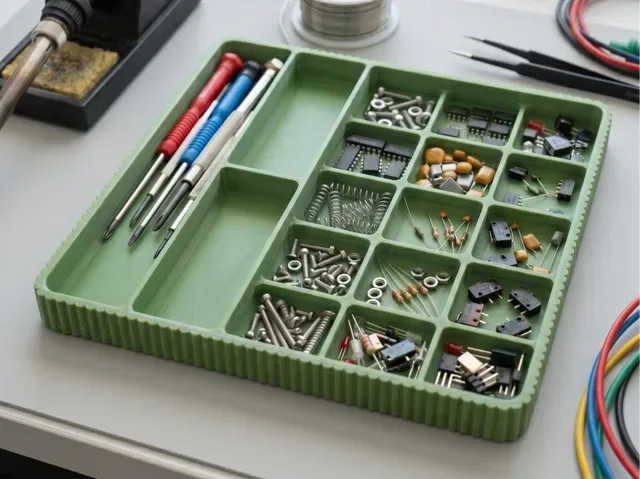
Leonardo Tray - Electronics Disassembly 18 slots
MakerWorld
The name Leonardo covers several unrelated groups of 3D printing models, and this collection gathers them in one place. You will find reconstructions of Renaissance machine drawings, character figures, and practical parts named after the same word. It helps when you already know the direction you want and only need to compare files across sources. Polyzon does not confirm whether models are free, their price, license, official status, affiliation, safety or fitness. Check the current terms at the source.
 A Polyzon collection · 48 models from 7 platforms
Polyzon assembles this collection from search results on the connected platforms. Repeats and models without a preview are removed, weak matches go to the end, and the rest keeps the search order. Models belong to their authors — check the terms on each model's page.
Selection rules: the Polyzon editorial team · Text updated 2026-10-12



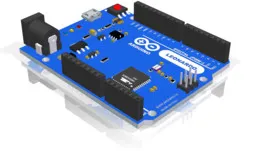





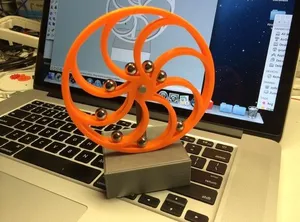



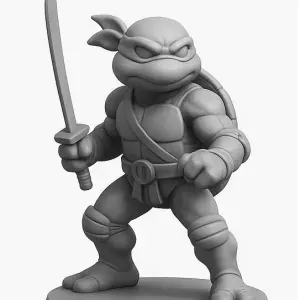







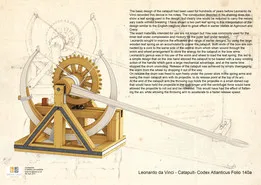





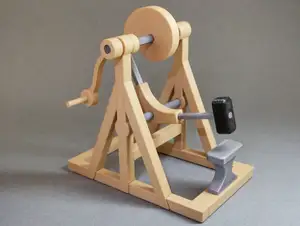




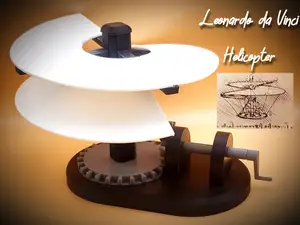
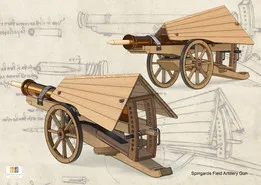



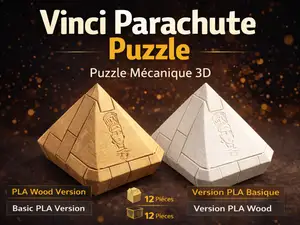

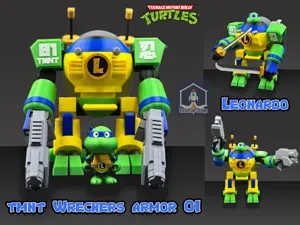




The widest group comes from Renaissance engineering drawings: flying machines, catapults, stair structures and animal studies, usually split into several parts that are glued or pinned together. A second group is character-based, from static sculptures to articulated figures assembled in place, where the joints are printed as one piece. A third group is practical: cases, mounts and holders for boards and small electronics, plus desk organizers and pen holders.
On the author's model page, look first at scale and overall size, since the same subject can appear as a small desk piece or a large display build. Check the number of parts and whether assembly hardware is required, whether supports are needed, and which material and settings the author lists. Photos of real prints show how thin walls, thin wings and articulated joints actually come out, which matters more than the render.
Search results improve when you vary the wording. Try the full name alongside the short one, add the type of object you want such as catapult, flying machine, figure or holder, and include the platform-specific spelling used by the author. Related terms like articulated, print-in-place, desk organizer, electronics case or board mount often surface files that a single keyword misses.


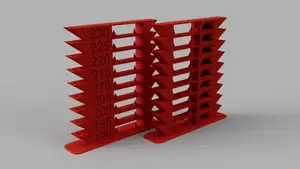
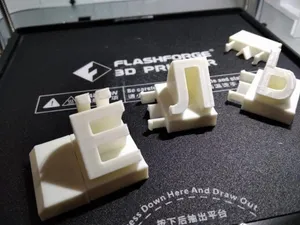

The full catalog of topics — from home & household to CNC, searchable across the connected sources.