Free 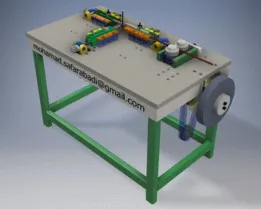
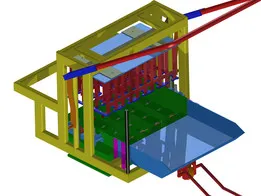
Automatic Spring Making Machine (animation)
GrabCAD
This collection gathers 3D models of machines and tools that twist cord, rope and braid, together with a few related mechanical builds. Most files are split into parts for 3D printing and then assembled around common hardware. Use it to compare mechanisms before you spend filament on a full build. Polyzon does not confirm whether models are free, their price, license, official status, affiliation, safety or fitness. Check the current terms at the source.
 A Polyzon collection · 45 models from 4 platforms
Polyzon assembles this collection from search results on the connected platforms. Repeats and models without a preview are removed, weak matches go to the end, and the rest keeps the search order. Models belong to their authors — check the terms on each model's page.
Selection rules: the Polyzon editorial team · Text updated 2026-10-11
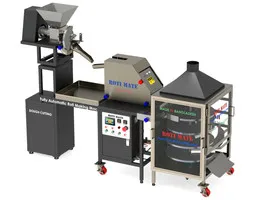

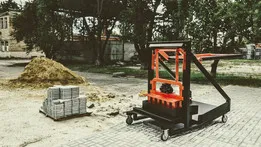
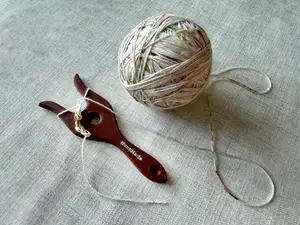
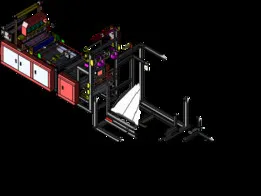
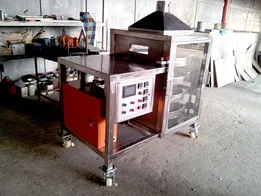

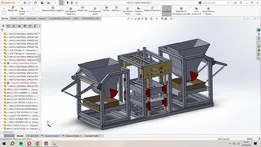
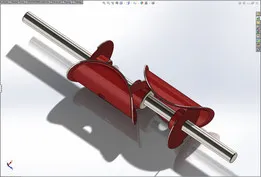

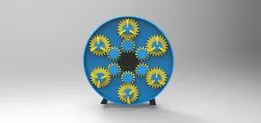

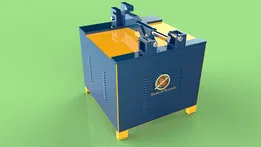

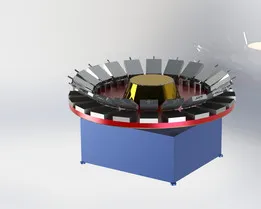
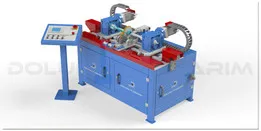
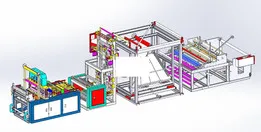

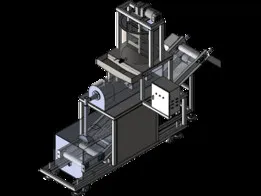
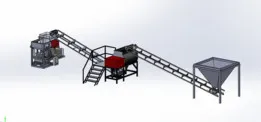

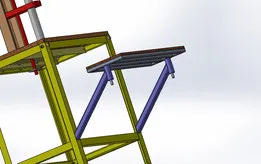
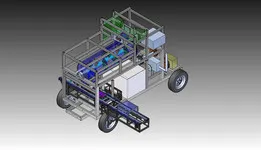
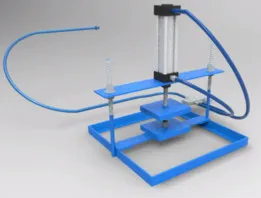
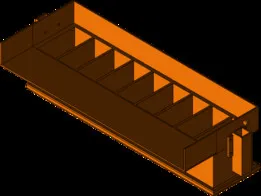

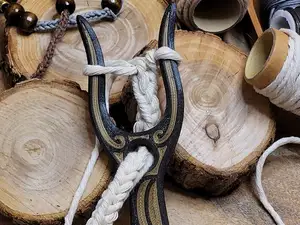
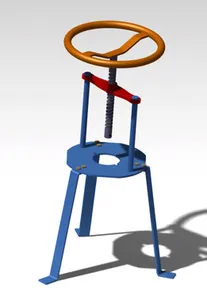
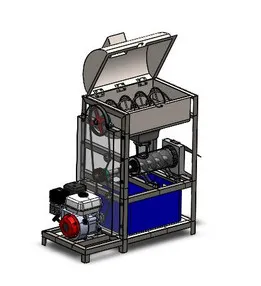


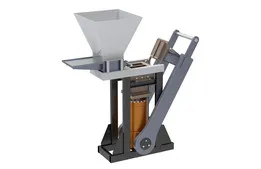
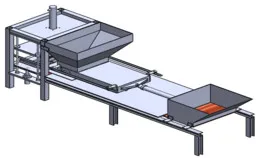
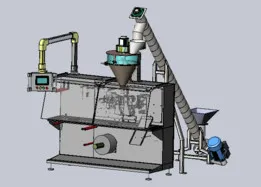

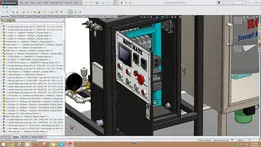
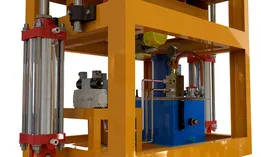
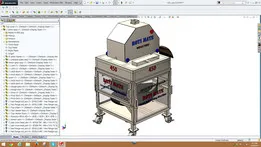
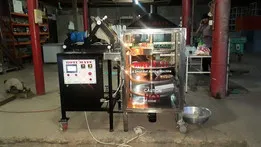
The models range from small hand tools that guide strands to motorised frames with gears and spools. Some designs handle one job, such as winding a coil or twisting a pair of strands, while others combine several steps in a single frame. The differences usually show up in the number of moving parts and in how the finished cord leaves the machine.
On the model page, check the listed dimensions and the scale the author intended, because a frame sized for thin twine behaves differently with thicker rope. Look at how many separate parts need printing, how they join, and whether the author shows photos of an assembled unit. Material and settings matter as well: parts that rub or carry load are often printed in a stiffer filament, while brackets can be lighter.
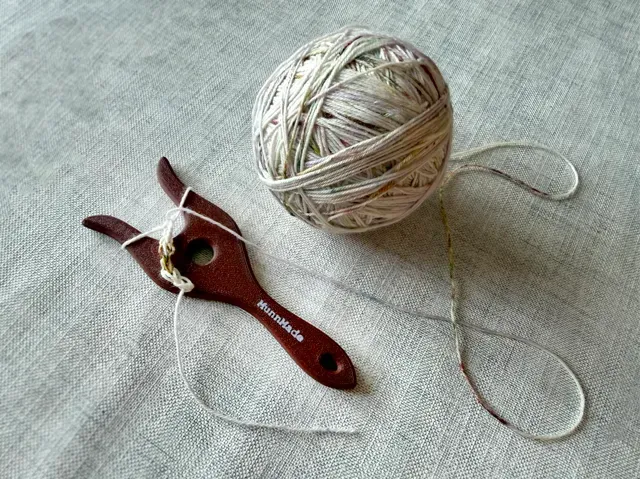
If the results feel too broad, try narrower wording such as braiding machine, cord winder, rope twister or lucet, and add the mechanism you want, for example gear driven or hand cranked. Related searches like spool holder, bobbin, thread guide or spring winder often surface parts that fit the same builds. Browsing the tool and hobby categories can also bring up frames that share the same hardware.


The full catalog of topics — from home & household to CNC, searchable across the connected sources.