
Free 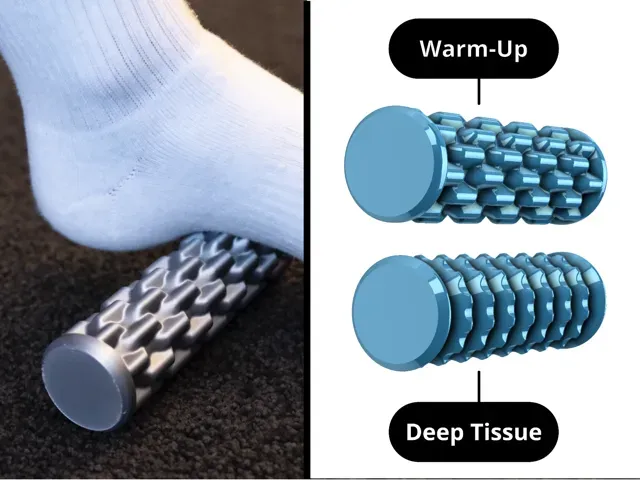
Plantar Fascia Foot Massager for Pain Relief
MakerWorld
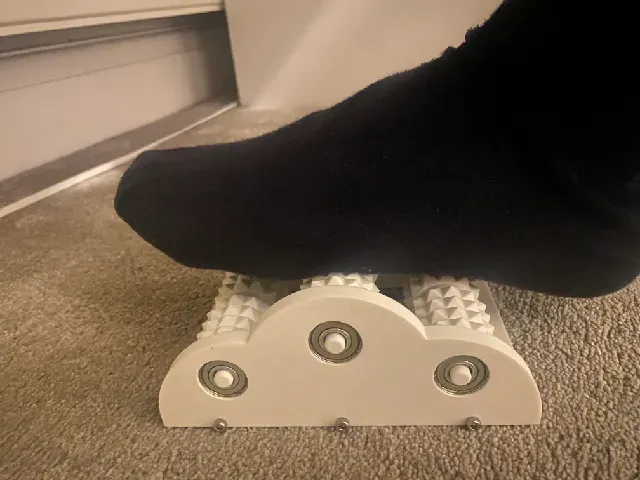
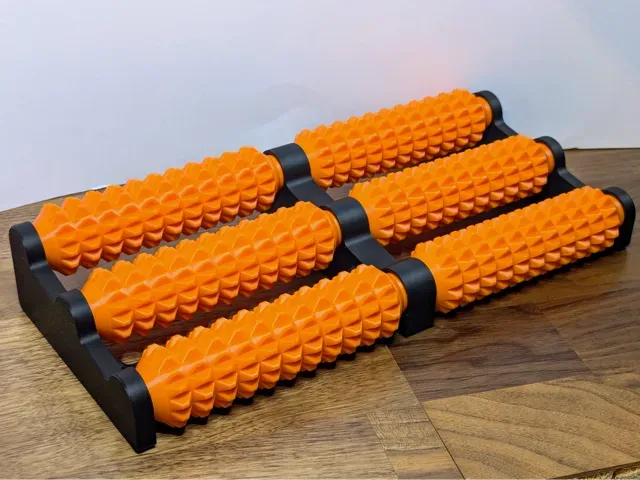
This collection gathers STL files for foot massagers that you can print at home. It covers textured rollers, spiky designs, and shapes aimed at plantar fascia work. Use it to compare approaches before opening a model page. Polyzon does not confirm whether models are free, their price, license, official status, affiliation, safety or fitness. Check the current terms at the source.
 A Polyzon collection · 48 models from 6 platforms
Polyzon assembles this collection from search results on the connected platforms. Repeats and models without a preview are removed, weak matches go to the end, and the rest keeps the search order. Models belong to their authors — check the terms on each model's page.
Selection rules: the Polyzon editorial team · Text updated 2026-10-13
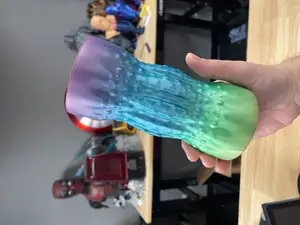

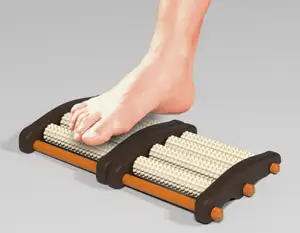
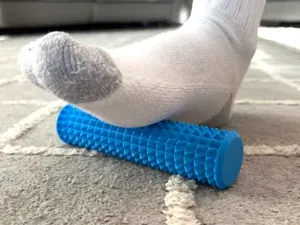
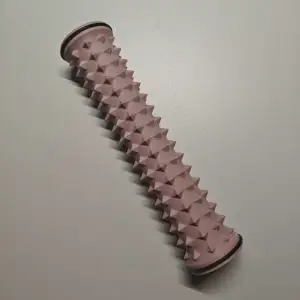
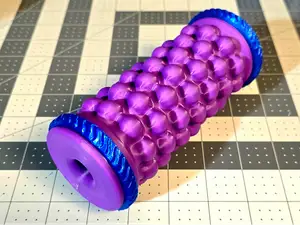

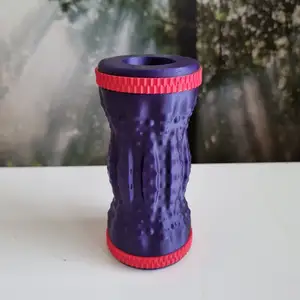
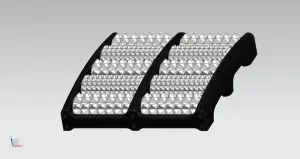
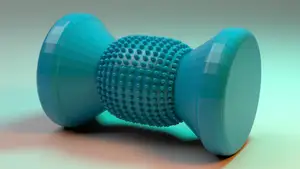
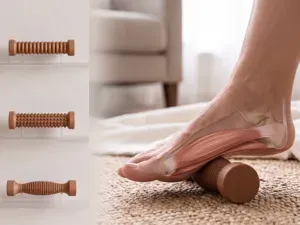

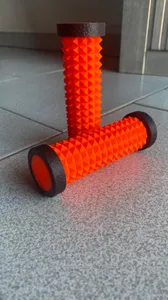
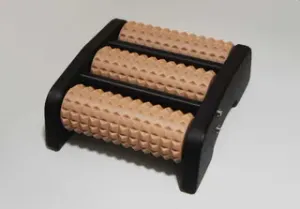
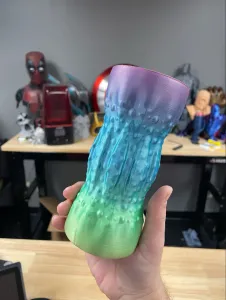
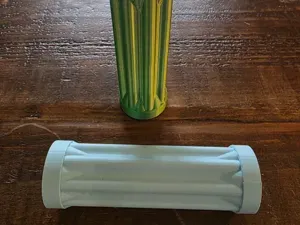

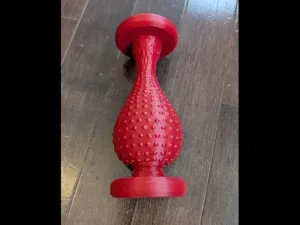
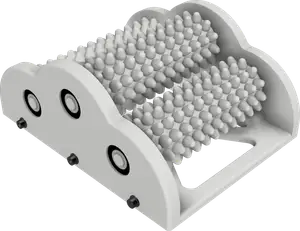
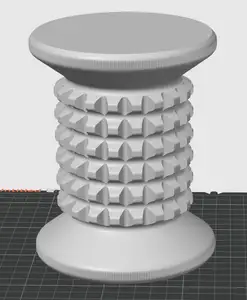
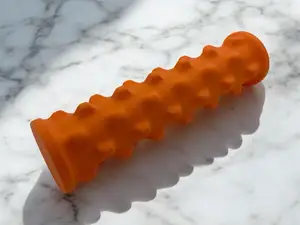

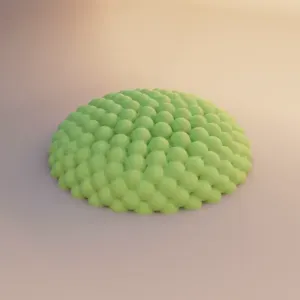

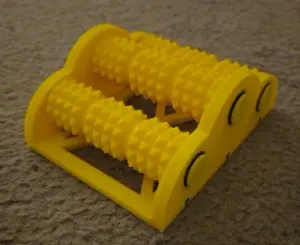
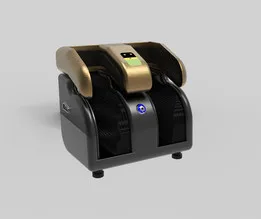

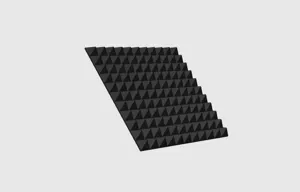
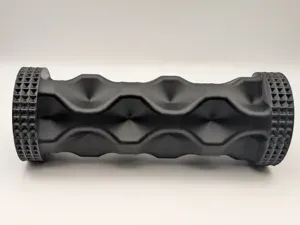
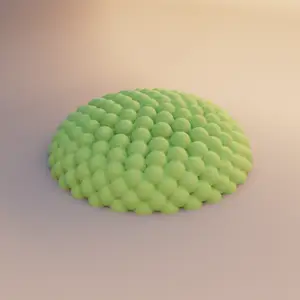


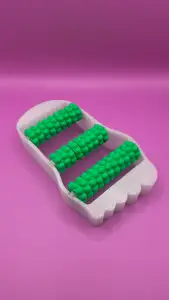
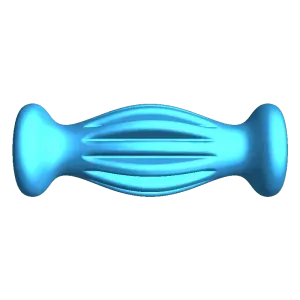
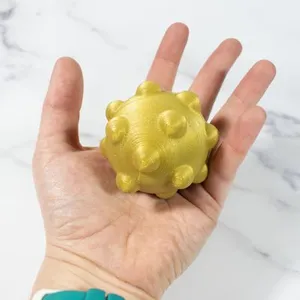


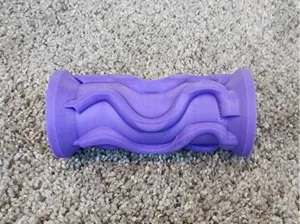
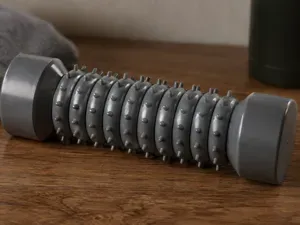
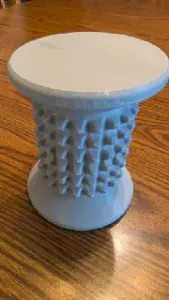
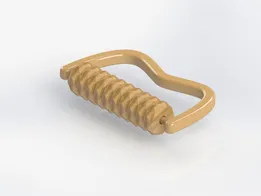

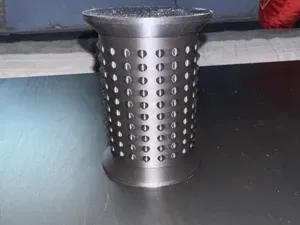
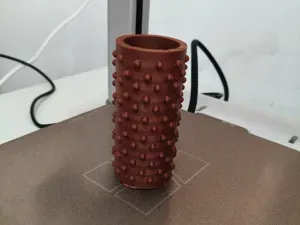
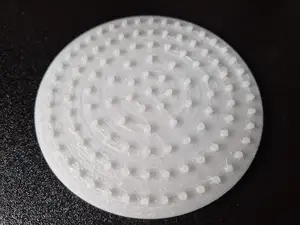
The models in this collection range from simple rollers to contoured pieces with spikes, ridges, or hollow sections. Some are shaped around the arch and heel, while others are general-purpose rollers for the whole foot. Differences usually come down to surface texture, diameter, and whether the design is one solid piece or has separate parts.
When choosing a model, check the size and scale, the number of parts, and whether supports are needed. Look at the material and settings the author lists, plus any photos of real prints. A larger roller may use more filament, while a hollow design can change the feel and weight.
To refine the search, try synonyms such as foot roller, plantar fascia roller, spiky massager, or textured roller. Related terms include arch massager, heel roller, and muscle roller. You can also combine these with material names or print settings to narrow the results.


The full catalog of topics — from home & household to CNC, searchable across the connected sources.