
Free 
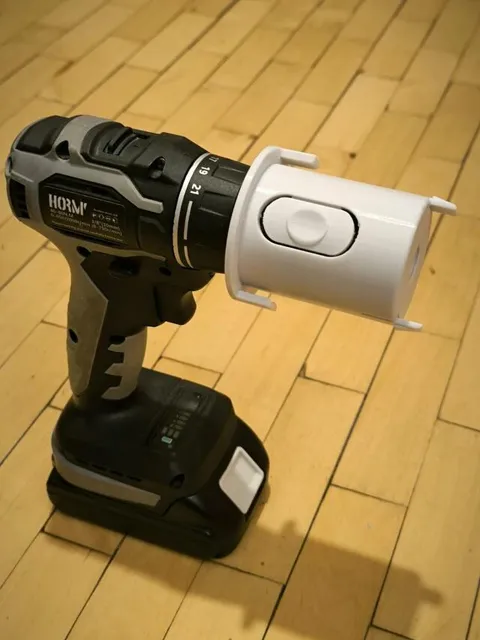
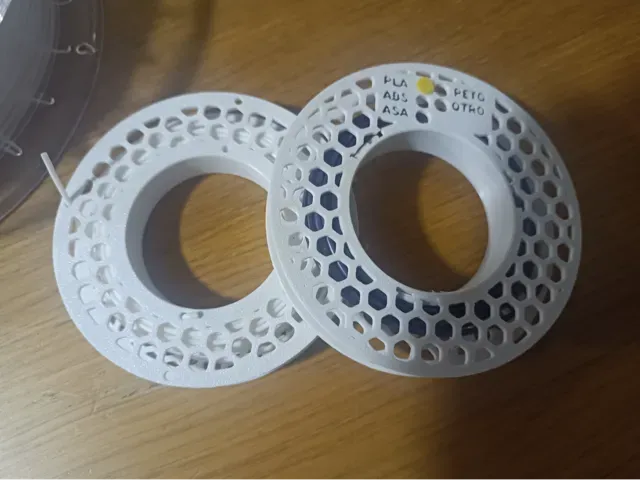
Adapter for winding the filament onto the D200 coil with a screwdriver.
Printables
This collection gathers 3D models for winding and rewinding filament: motorized respoolers, drill-driven units, adapters for chucks and hex spools, and simpler hand-turned designs. Most of them are printed parts that turn a loose coil or a partly used spool into something tidier. It is useful if you handle filament often and want a repeatable way to move it between spools. Polyzon does not confirm whether models are free, their price, license, official status, affiliation, safety or fitness. Check the current terms at the source.
 A Polyzon collection · 46 models from 8 platforms
Polyzon assembles this collection from search results on the connected platforms. Repeats and models without a preview are removed, weak matches go to the end, and the rest keeps the search order. Models belong to their authors — check the terms on each model's page.
Selection rules: the Polyzon editorial team · Text updated 2026-10-13

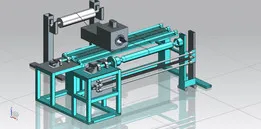
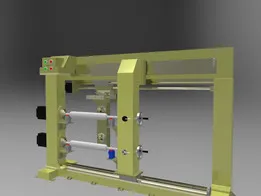

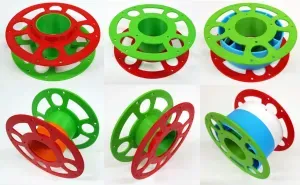

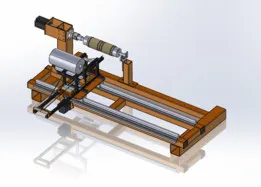

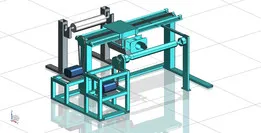
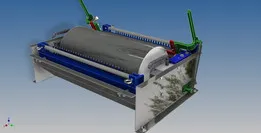

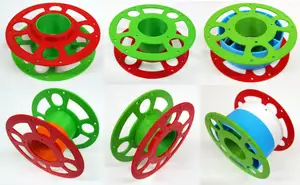



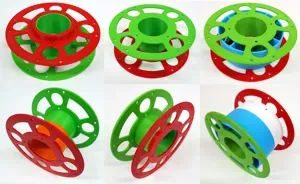


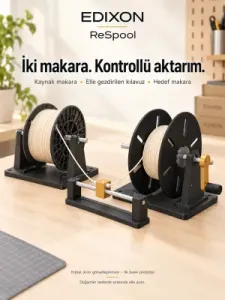


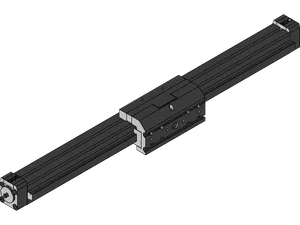
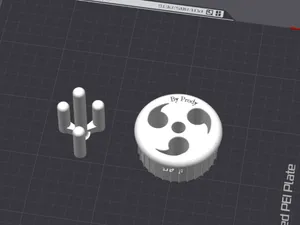


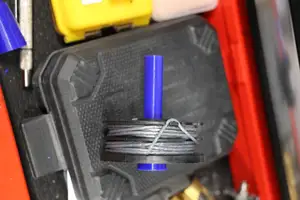







The models differ mainly in how they are driven. Motorized respoolers use a separate motor and often a guide or sled to lay the strand evenly, while drill-powered versions rely on a chuck adapter and the trigger of the tool. Hand-turned and gravity-fed winders are smaller builds with fewer parts, and collapsible holders focus on storing or gripping a spool rather than driving it.
Before printing, look at the author's page for the spool width and hub diameter the design accepts, the number of printed parts, and whether fasteners, bearings or a motor are required. Check whether the parts need supports and how they orient on the plate, since long arms and thin guides are usually the weak points. The material and settings the author lists, plus photos of real prints, tell you more than the render.
To narrow the results, try related terms such as respooler, rewinder, spool adapter, drill adapter, hex chuck, motorized winder or filament guide. Combining a drive type with a spool size or a tool name usually cuts the list quickly. If you only need to move filament between two spools by hand, searching for a simple winder or a spool holder will return fewer, easier builds.



The full catalog of topics — from home & household to CNC, searchable across the connected sources.