
Free 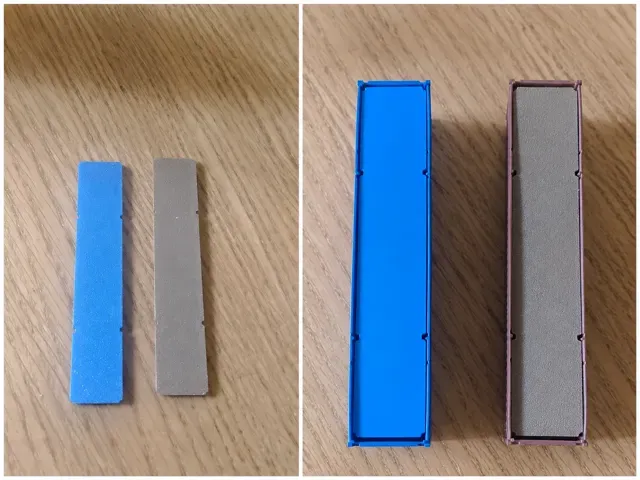
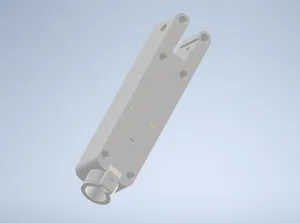
TT Scale Floor Insert for 40' Tillig Containers
MakerWorld
The collection covers 3D models for legs, feet and supports that appear in floor-scale projects. You will also find related floor protectors, small stands and miniature floor parts. Each listing links to an STL file or model page where the author describes the part. Polyzon does not confirm whether models are free, their price, license, official status, affiliation, safety or fitness. Check the current terms at the source.
 A Polyzon collection · 48 models from 8 platforms
Polyzon assembles this collection from search results on the connected platforms. Repeats and models without a preview are removed, weak matches go to the end, and the rest keeps the search order. Models belong to their authors — check the terms on each model's page.
Selection rules: the Polyzon editorial team · Text updated 2026-10-11
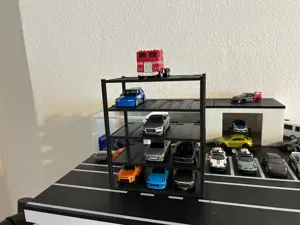

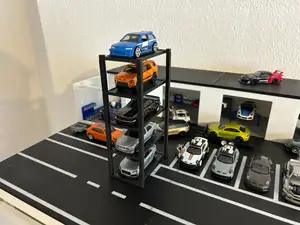
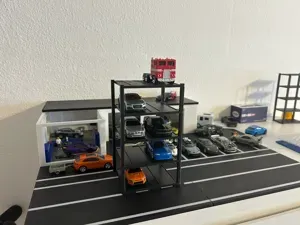

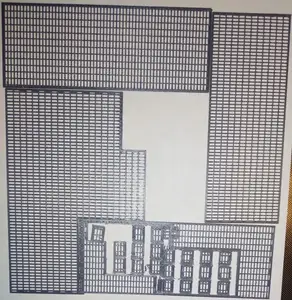


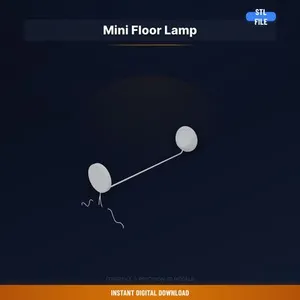
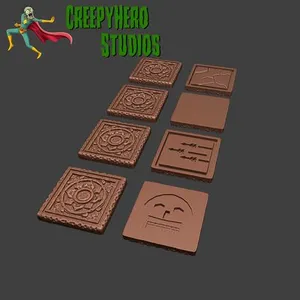


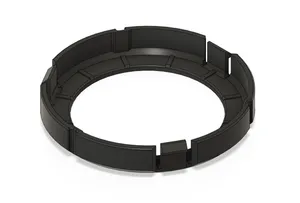
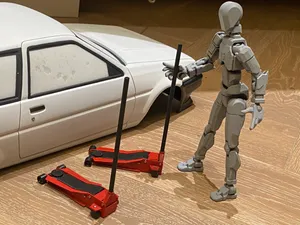


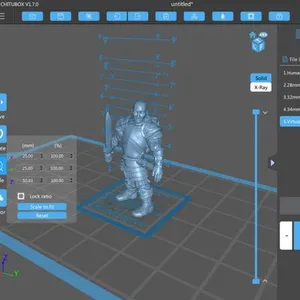
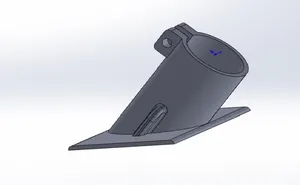

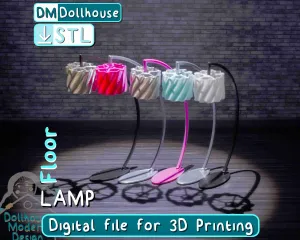
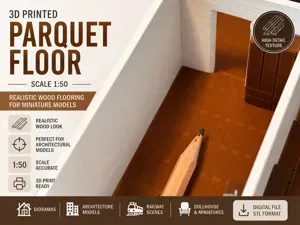

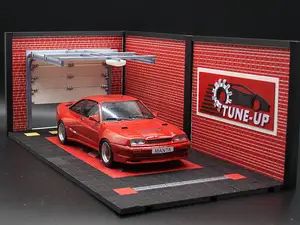


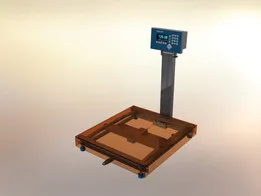




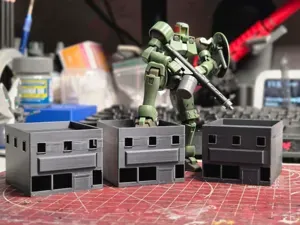
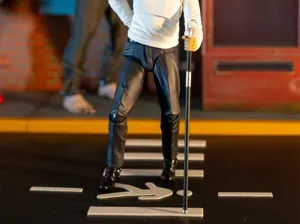



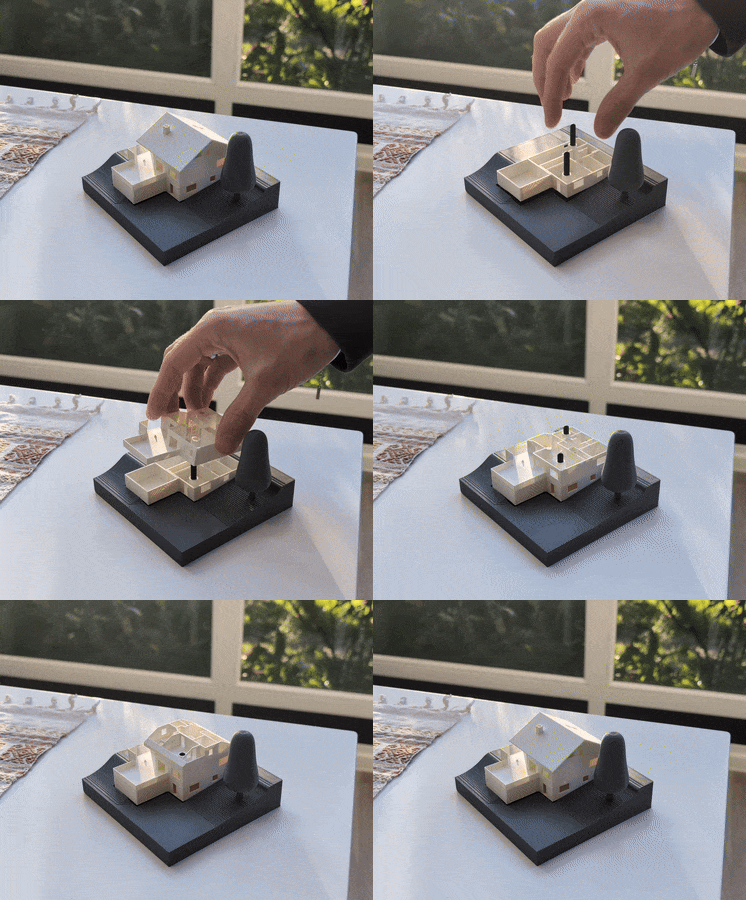
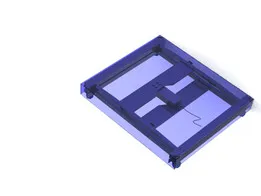

The main group is replacement feet and support pieces for floor scales, often simple cylinders, cones or brackets. Related results include legs for small furniture and devices, anti-scratch pads that fit under legs, and miniature floor sections used in dioramas. Scale-model stands and floor display bases form another group, with different proportions and mounting points.
When choosing a model, compare the mounting method, the height and the diameter of the original foot. Check the number of parts and whether assembly is required, and read the author's notes on supports, material and print orientation. Photos of real prints help you judge surface finish and how the part meets the floor.
To refine the search, try synonyms such as scale feet, scale leg caps, adjustable feet, and equipment feet. Related topics include floor protectors, furniture glides, stand bases, and miniature floor tiles. Combining the scale or device type with the word leg or foot usually narrows the results.




The full catalog of topics — from home & household to CNC, searchable across the connected sources.