Free 
Large pen organizer with dividers
Thingiverse
This collection gathers large organizer designs with compartments: desk trays, drawer inserts, lidded boxes and parametric grids. Each entry comes from a model page where the author describes size, wall thickness and print settings. It helps you compare layouts before committing filament to a long 3D printing job. Polyzon does not confirm whether models are free, their price, license, official status, affiliation, safety or fitness. Check the current terms at the source.
 A Polyzon collection · 46 models from 4 platforms
Polyzon assembles this collection from search results on the connected platforms. Repeats and models without a preview are removed, weak matches go to the end, and the rest keeps the search order. Models belong to their authors — check the terms on each model's page.
Selection rules: the Polyzon editorial team · Text updated 2026-10-13
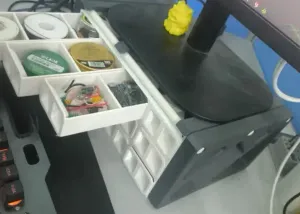

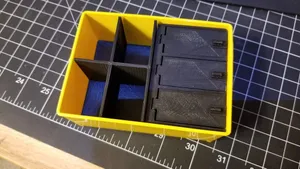
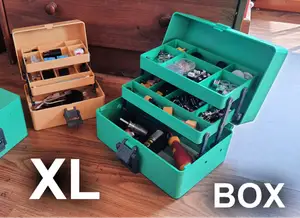
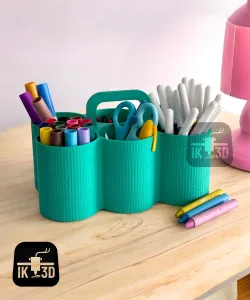


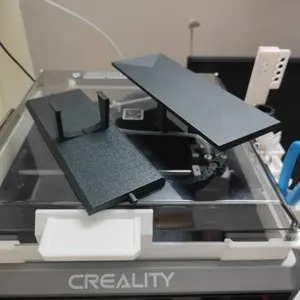

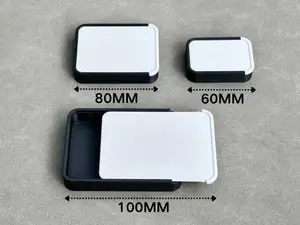
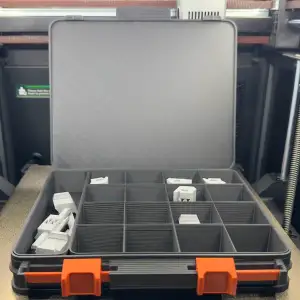
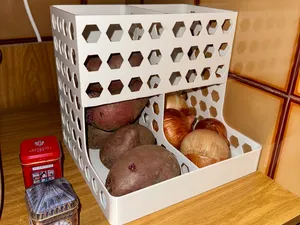
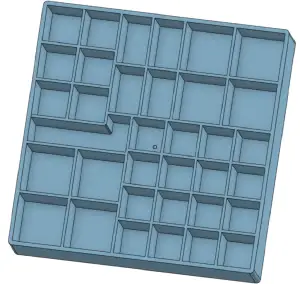

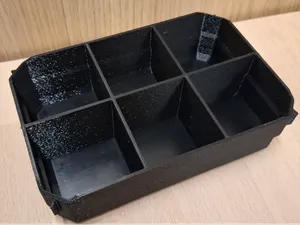
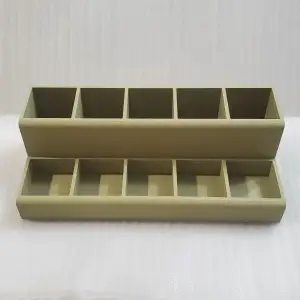
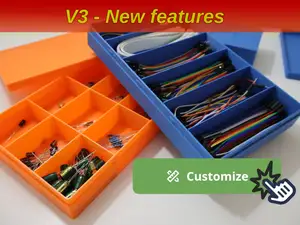
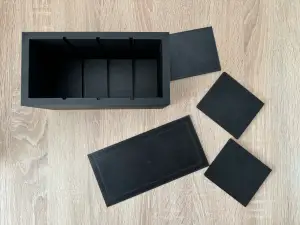

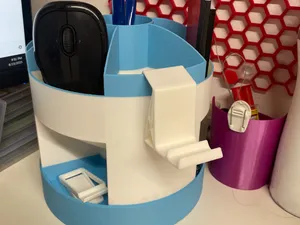
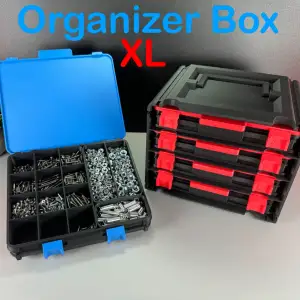

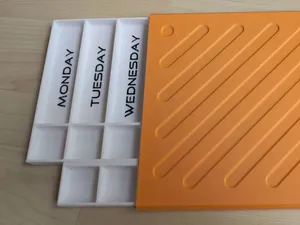
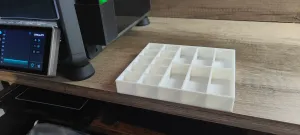

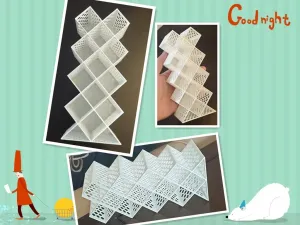
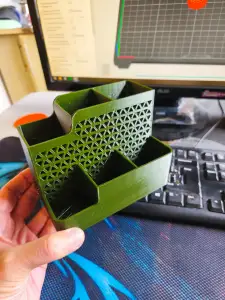

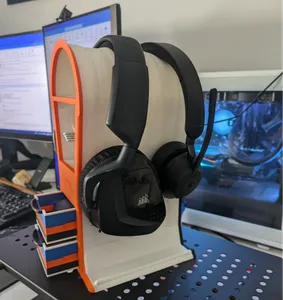
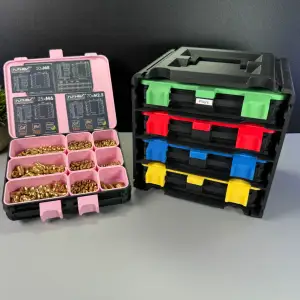

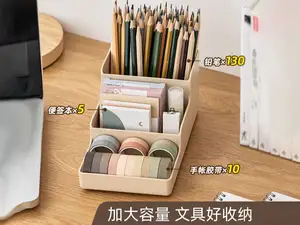
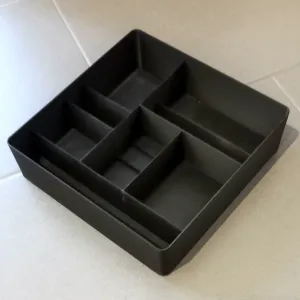

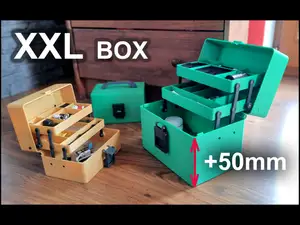
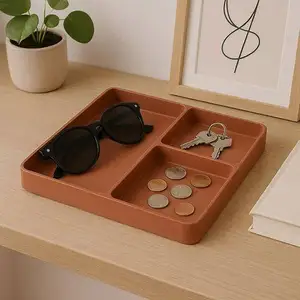

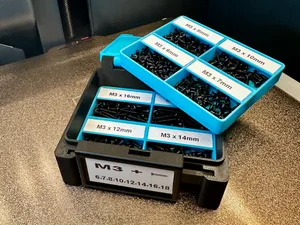


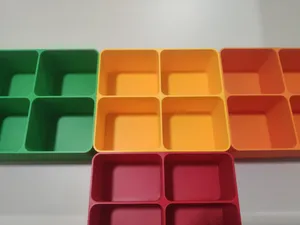

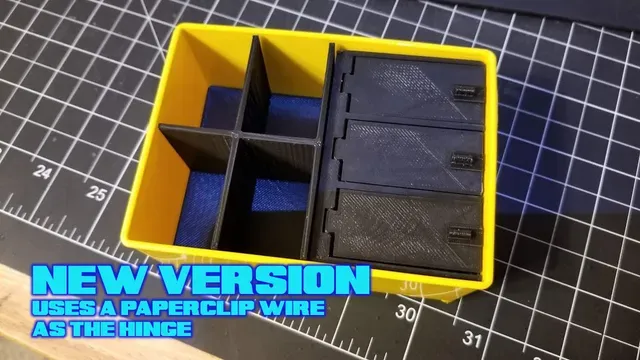
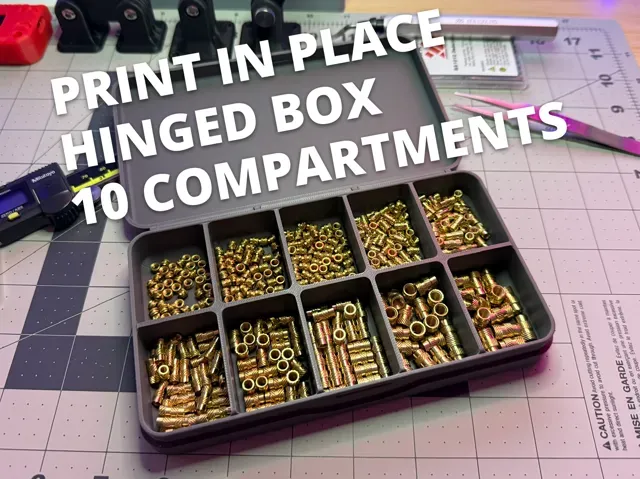
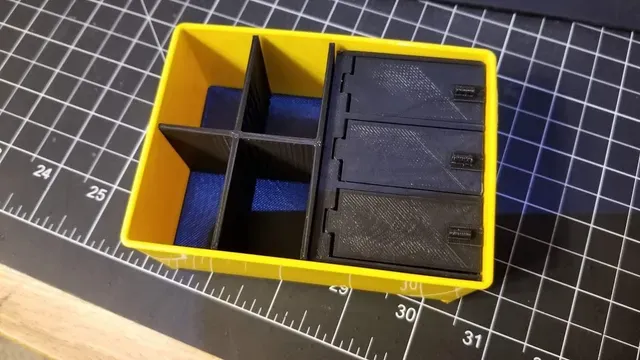
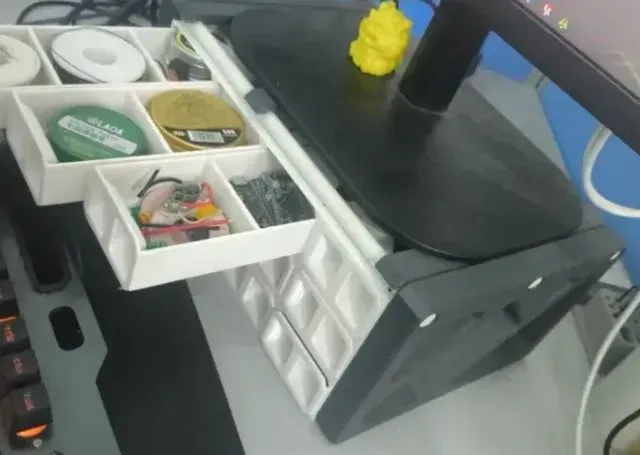
The models differ mainly in how the space is divided. Desk and table organizers usually have open, fixed cells sized for pens, tools or office items, while drawer inserts tend to use removable dividers so the layout can be rearranged. Lidded boxes add a hinged or sliding cover, and parametric designs let you set the number of cells and the overall footprint before exporting an STL.
Before printing, open the author's page and check the outer dimensions against the space you have, since a large organizer can exceed a small build plate. Look at how many separate parts are involved and whether they join with pins, screws or sliding joints. The material and layer height the author lists matter for thin dividers, and photos of real prints show how the walls and corners come out.
If the results feel narrow, try related wording: storage box, drawer insert, desk tray, parts bin, tool holder, grid box or modular organizer. Adding a use case such as cables, kitchen, workshop or bathroom usually narrows the list faster than adding size words. Terms like parametric or customizable bring up designs you can resize yourself.
Many large organizers are split into modules that stack or sit side by side, which changes how much assembly is needed. Check whether the author expects glue, snap fits or loose stacking, and whether the base needs a brim on a large flat footprint. Reading the comments and the print photos on the model page gives a clearer picture than the title alone.





The full catalog of topics — from home & household to CNC, searchable across the connected sources.