
Free 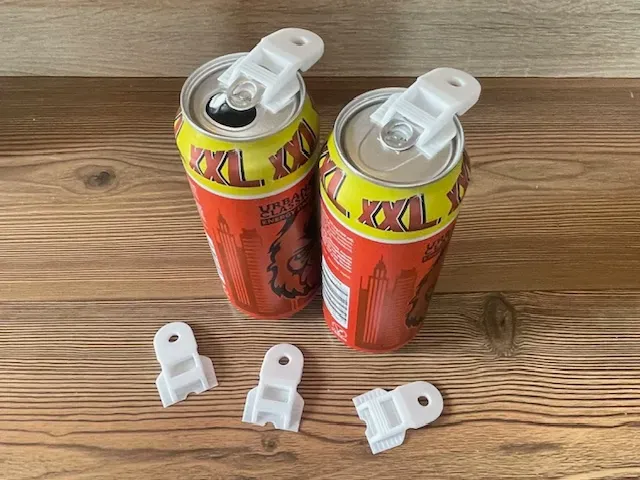
Can Lid Opener & Lid Saver Cap & Keychain
MakerWorld
This collection gathers STL files for opening crown caps, screw caps and plastic bottle tops, including handheld, keychain and adjustable designs. It is useful if you want a small functional part for 3D printing that solves a specific cap size rather than a decorative object. Many entries also combine a cap opener with a can opener or another everyday tool. Polyzon does not confirm whether models are free, their price, license, official status, affiliation, safety or fitness. Check the current terms at the source.
 A Polyzon collection · 48 models from 6 platforms
Polyzon assembles this collection from search results on the connected platforms. Repeats and models without a preview are removed, weak matches go to the end, and the rest keeps the search order. Models belong to their authors — check the terms on each model's page.
Selection rules: the Polyzon editorial team · Text updated 2026-10-15
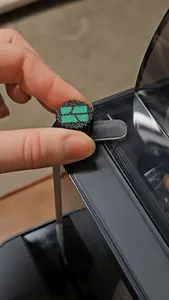

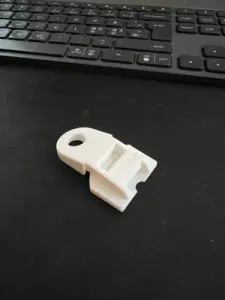
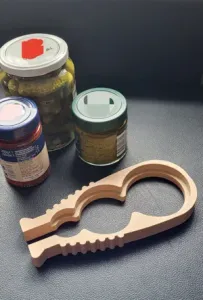
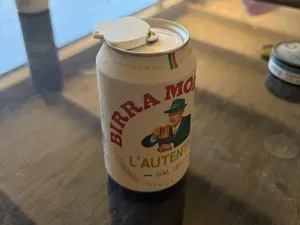
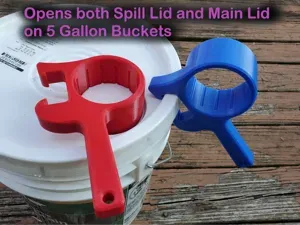


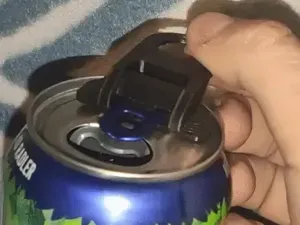
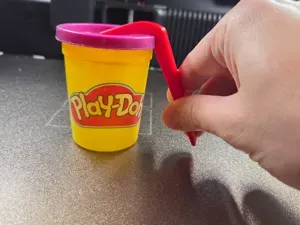
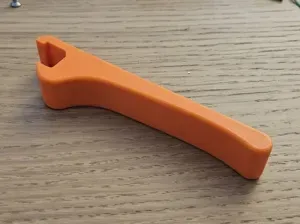

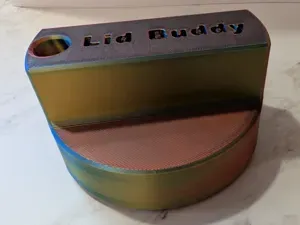
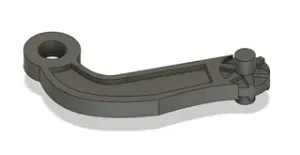

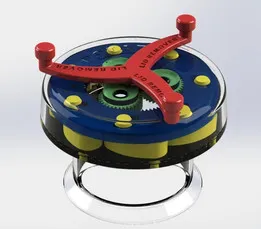


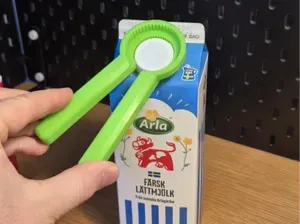
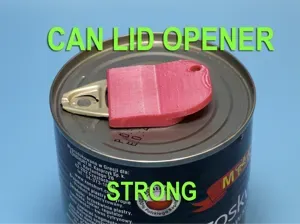


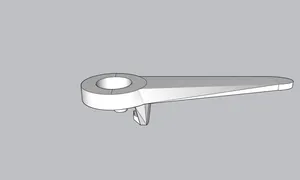


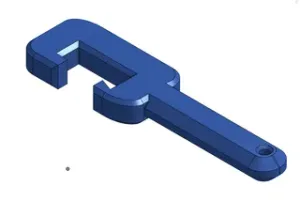

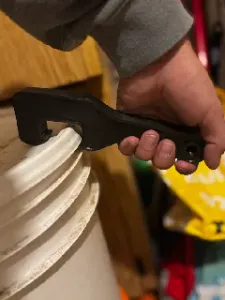
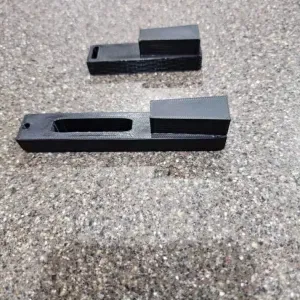

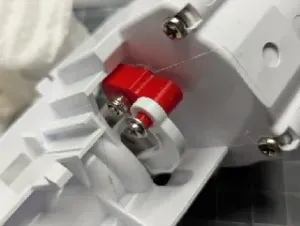


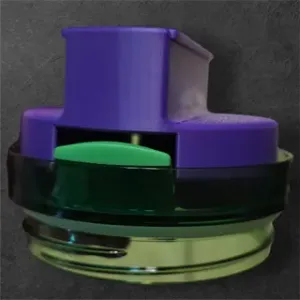

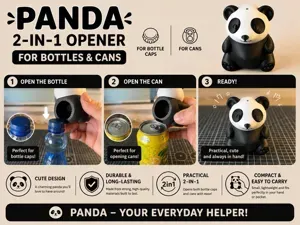



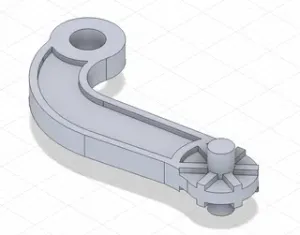
The models differ mainly in how they grip the cap. Lever-style openers hook under a crown cap and rely on a firm handle, keychain versions shrink that shape to a flat plate with a hole, and adjustable wrenches use a slotted or stepped opening that fits several cap diameters. Some designs target plastic PET tops and screw lids on jars, where the opening is sized to the cap rather than to a metal crown.
Before printing, read the author's page for the cap diameter or bottle type the model was drawn around, since a few millimetres decide whether the part grips or slips. Check the number of parts, whether they need assembly or a pin, and whether the author lists supports, layer height, wall count and material. Photos of real prints show how the jaw edges and handle thickness came out, which matters more here than in decorative models.
To widen the results, try related wording such as cap wrench, crown cork opener, jar lid opener or one-handed opener, and add the cap type you meet, for example PET, screw or crown. Combining a tool term with a use case, such as keychain or kitchen, brings up compact variants. If a model is close but not exact, look at its remixes and the tags the author used.
If the fit is loose or tight, scaling the model slightly in the slicer is a common adjustment, but the handle and jaw proportions change with it. Printing in a material that resists bending helps thin levers, while thicker designs tolerate ordinary filament. Test the part on a spare cap before relying on it.
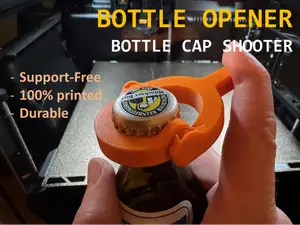
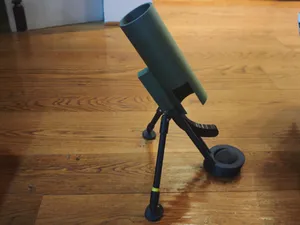


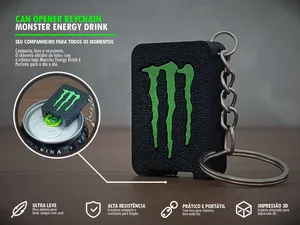

The full catalog of topics — from home & household to CNC, searchable across the connected sources.