Free 
Lithophane Frame Curved
Thingiverse
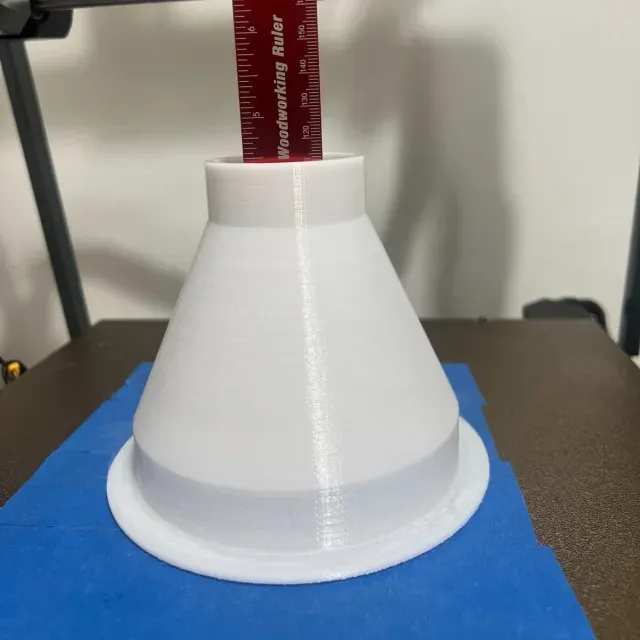
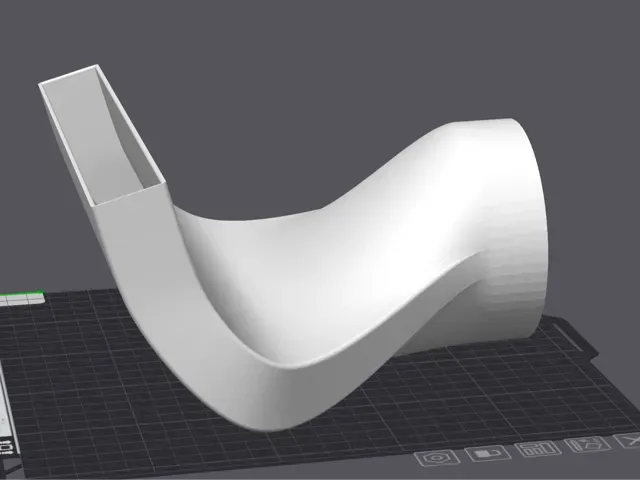
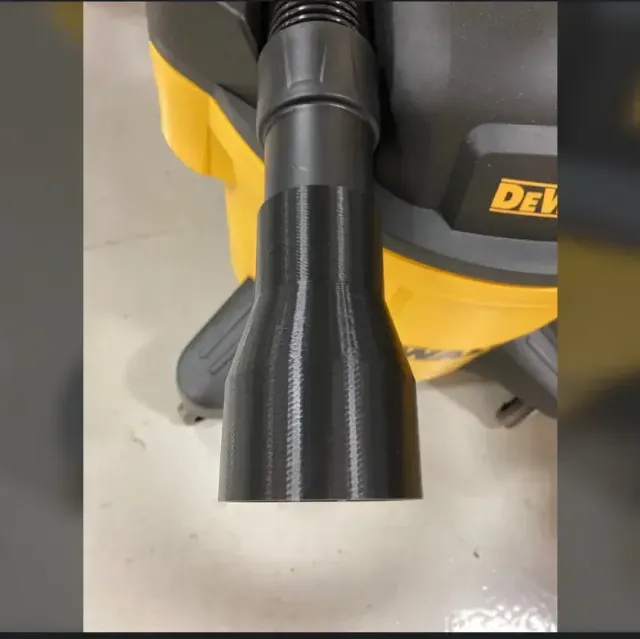
This collection gathers STL files for reducers that connect a 100 mm pipe to a 150 mm opening. It covers ventilation ducts, extractor lines, fan connections and custom parametric fittings. The models help you match two different pipe sizes without rebuilding the whole run. Polyzon does not confirm whether models are free, their price, license, official status, affiliation, safety or fitness. Check the current terms at the source.
 A Polyzon collection · 47 models from 3 platforms
Polyzon assembles this collection from search results on the connected platforms. Repeats and models without a preview are removed, weak matches go to the end, and the rest keeps the search order. Models belong to their authors — check the terms on each model's page.
Selection rules: the Polyzon editorial team · Text updated 2026-10-14
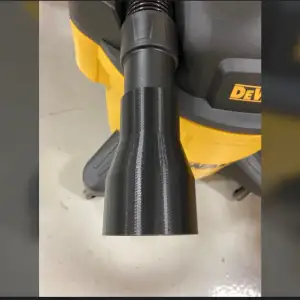

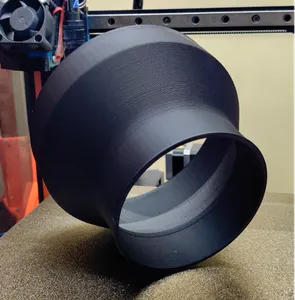
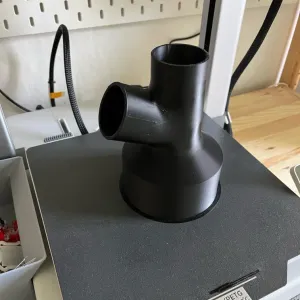

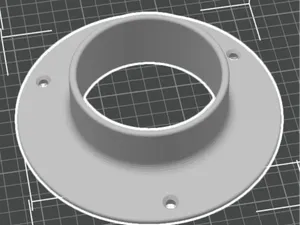

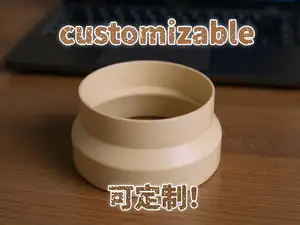
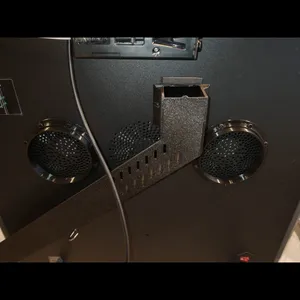

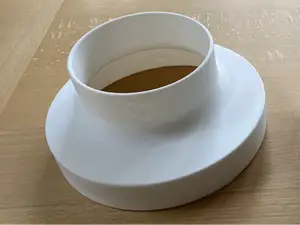
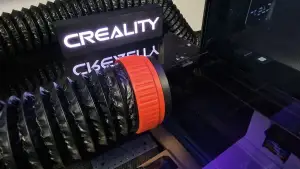

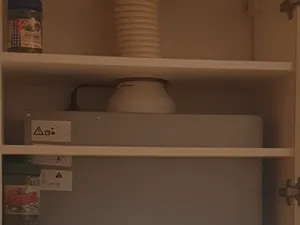
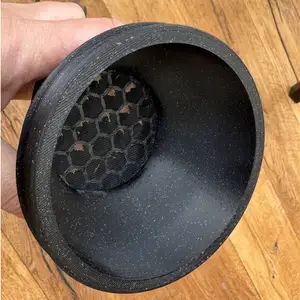

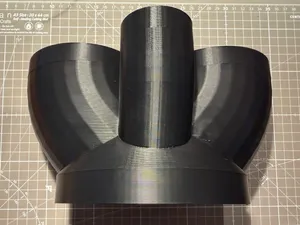
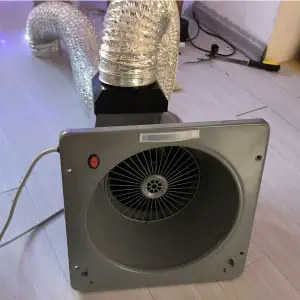

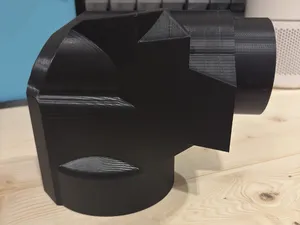
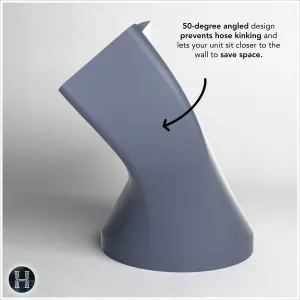

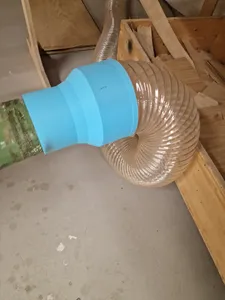
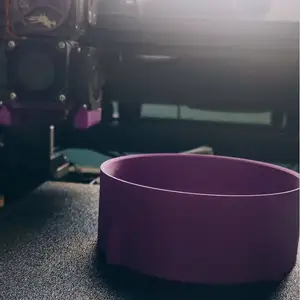

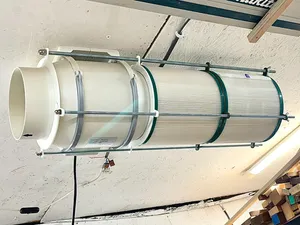
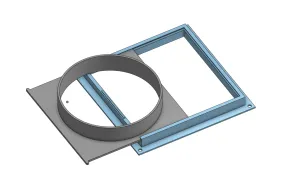

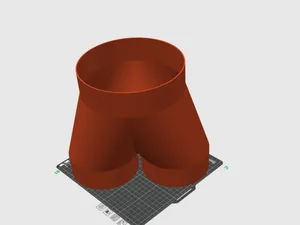


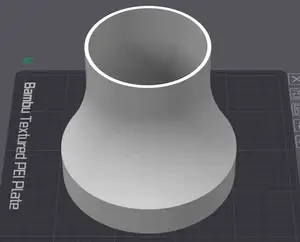
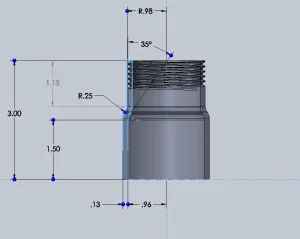

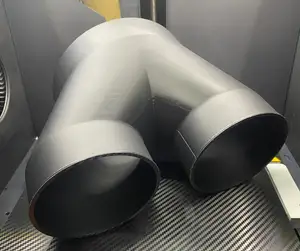
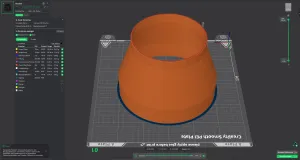


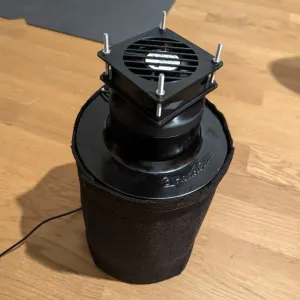

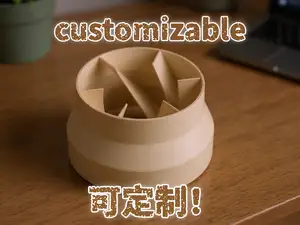
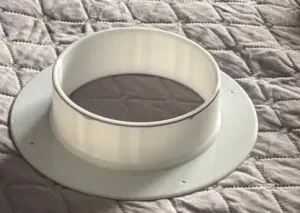
Adapters in this collection range from simple round reducers to square-to-round transitions and manifold-style splitters. Some are designed for flexible hose, while others join rigid pipe or wall grilles. You will also see parametric versions where the opening and length can be adjusted before export.
When choosing a model, check the inner and outer diameters, the wall thickness and the number of parts. Look at the author's notes on supports, orientation and material, and review photos of real prints to judge the surface and joint details. For a 3D printer, a reducer may need to be split or oriented to avoid steep overhangs.
To refine the search, try terms such as duct reducer, pipe adapter, hose connector, ventilation transition or extractor fitting. Related topics include fan shrouds, window vent inserts, wall plates and grille mounts. Adding the pipe material, for example PVC or flexible hose, narrows the results further.



The full catalog of topics — from home & household to CNC, searchable across the connected sources.