Free 
Vacuum cleaner nozzles
Thingiverse
This collection gathers STL files for parts that connect to household vacuum cleaners and workshop dust extractors. It covers nozzles, hose adapters, cyclone separators, wall mounts and dust collectors, so a missing or broken piece can be replaced with a 3D print. Most of these parts are small and fit a desktop 3D printer. Polyzon does not confirm whether models are free, their price, license, official status, affiliation, safety or fitness. Check the current terms at the source.
 A Polyzon collection · 47 models from 5 platforms
Polyzon assembles this collection from search results on the connected platforms. Repeats and models without a preview are removed, weak matches go to the end, and the rest keeps the search order. Models belong to their authors — check the terms on each model's page.
Selection rules: the Polyzon editorial team · Text updated 2026-10-13

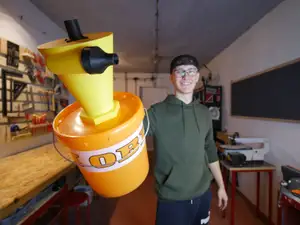
%2Fhttps%3A%2F%2Ffbi.cults3d.com%2Fuploaders%2F14051735%2Fillustration-file%2F0909c507-92b9-4d68-856f-56e92c1b746b%2FIMG_1462.JPG&w=300)
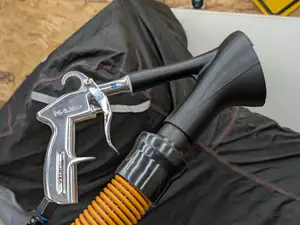

%2Fhttps%3A%2F%2Ffbi.cults3d.com%2Fuploaders%2F12878760%2Fillustration-file%2Fac262c9b-2822-4e7d-9e4d-39f4c26d6af5%2F1693665753253.jpg&w=300)

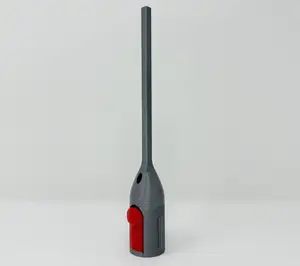
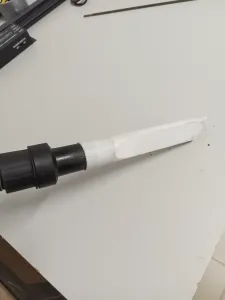

%2Fhttps%3A%2F%2Ffbi.cults3d.com%2Fuploaders%2F26788074%2Fillustration-file%2F818286b3-ae53-4f38-bb52-bbb34e63b998%2F20241013_114309.jpg&w=300)
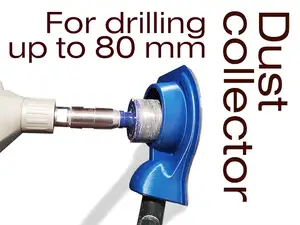
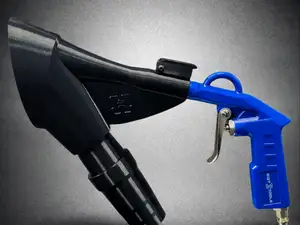
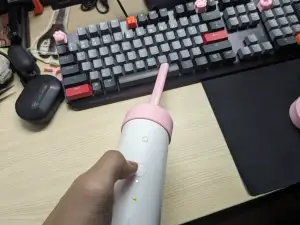

%2Fhttps%3A%2F%2Ffbi.cults3d.com%2Fuploaders%2F25872862%2Fillustration-file%2F257a2075-0a13-49ba-925e-b5308a21bc97%2Fxiaomi-g10-part-3.png&w=300)

%3Astill()%2Fhttps%3A%2F%2Ffbi.cults3d.com%2Fuploaders%2F25767458%2Fillustration-file%2F1e3ebf78-5623-4f67-b1ac-6cdf01903852%2Fcleaner-1.gif&w=300)


%2Fhttps%3A%2F%2Ffbi.cults3d.com%2Fuploaders%2F15377448%2Fillustration-file%2F81213800-e702-453d-96f3-116d4d1dda42%2F20230704_165837_1.gif&w=300)

%2Fhttps%3A%2F%2Ffbi.cults3d.com%2Fuploaders%2F38448552%2Fillustration-file%2F02574732-08a4-438a-ae7e-4a2c84580519%2Fcordless_vacuum_stand_hook-4.jpeg&w=300)

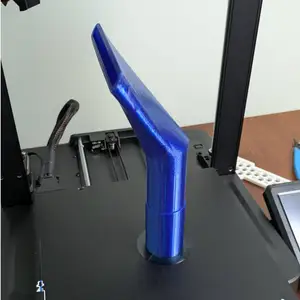

%2Fhttps%3A%2F%2Ffbi.cults3d.com%2Fuploaders%2F34477738%2Fillustration-file%2F39314637-0528-4f13-8fb4-bbd8d94fdef1%2F20240331_120035.jpg&w=300)

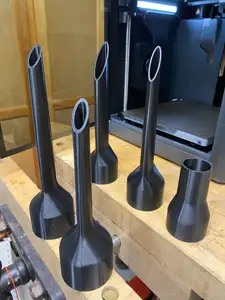
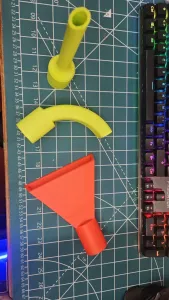

%2Fhttps%3A%2F%2Ffbi.cults3d.com%2Fuploaders%2F15093446%2Fillustration-file%2F90ca1261-2cf3-44b2-9afd-814a42d21851%2F1000068373.jpg&w=300)

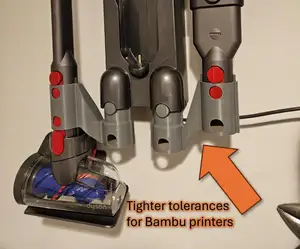
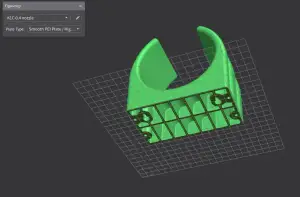
The models fall into a few groups. Nozzles and brush heads shape the airflow at the floor or crevice, while adapters and cuffs join hoses to tools when the diameters do not match. Cyclone separators and dust-collection bodies sit between the hose and the vacuum, and wall mounts or holders keep the hose and the machine off the floor. Workshop aids such as drill dust collectors follow the same idea: a printed shell that channels debris toward the hose.
Before printing, measure the inner and outer diameter of the hose and of the port it should fit, and note the wall thickness of the printed part. Check how many pieces the model has and whether they snap, screw or slide together, and look at the orientation the author used, since a part printed on its side behaves differently from one printed upright. Overhangs may call for supports, and thin walls may need more perimeters. The material and settings the author lists are worth comparing with your own filament, and photos of real prints show how the part fits in practice.
Search results widen if you try other names for the same object: dust extractor, shop vacuum, hose cuff, crevice tool, brush head, cyclone, adapter ring. Related topics include workshop dust management, drill accessories, robot vacuum parts and central vacuum fittings. Combining a part type with a diameter or a connection style usually narrows the list faster than the machine name alone.

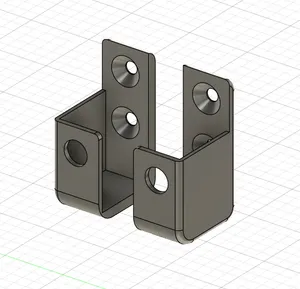


%2Fhttps%3A%2F%2Ffbi.cults3d.com%2Fuploaders%2F44260462%2Fillustration-file%2F23e5a272-315f-4734-ac6f-124d9b531fc8%2Fchamomile-camomille.jpg&w=300)
The full catalog of topics — from home & household to CNC, searchable across the connected sources.
%2Fhttps%3A%2F%2Ffbi.cults3d.com%2Fuploaders%2F20969012%2Fillustration-file%2F7f36bdd9-44e3-4c52-b796-0e02b7b6dc52%2FFan_1.jpg&w=640)
