
Free 
Quick Retract/Ooze Test
Thingiverse
This collection gathers STL files for retraction and stringing checks, moving mechanisms, and parts for 3D printing. You will find test towers, RC landing gear units, folding toys, and holders that change shape. Use it to compare how different designs approach motion and print settings. Polyzon does not confirm whether models are free, their price, license, official status, affiliation, safety or fitness. Check the current terms at the source.
 A Polyzon collection · 45 models from 4 platforms
Polyzon assembles this collection from search results on the connected platforms. Repeats and models without a preview are removed, weak matches go to the end, and the rest keeps the search order. Models belong to their authors — check the terms on each model's page.
Selection rules: the Polyzon editorial team · Text updated 2026-10-14

%2Fhttps%3A%2F%2Ffbi.cults3d.com%2Fuploaders%2F18300551%2Fillustration-file%2F7f815381-a9fe-48be-b101-373fd3248ea0%2F%25ED%259A%258C%25EC%25A0%2584-s20231204_164156.jpg&w=300)


%2Fhttps%3A%2F%2Ffbi.cults3d.com%2Fuploaders%2F12943812%2Fillustration-file%2Fcd52c193-0571-48b1-879a-df3326958090%2FDSCN1725%255B1%255D.jpg&w=300)

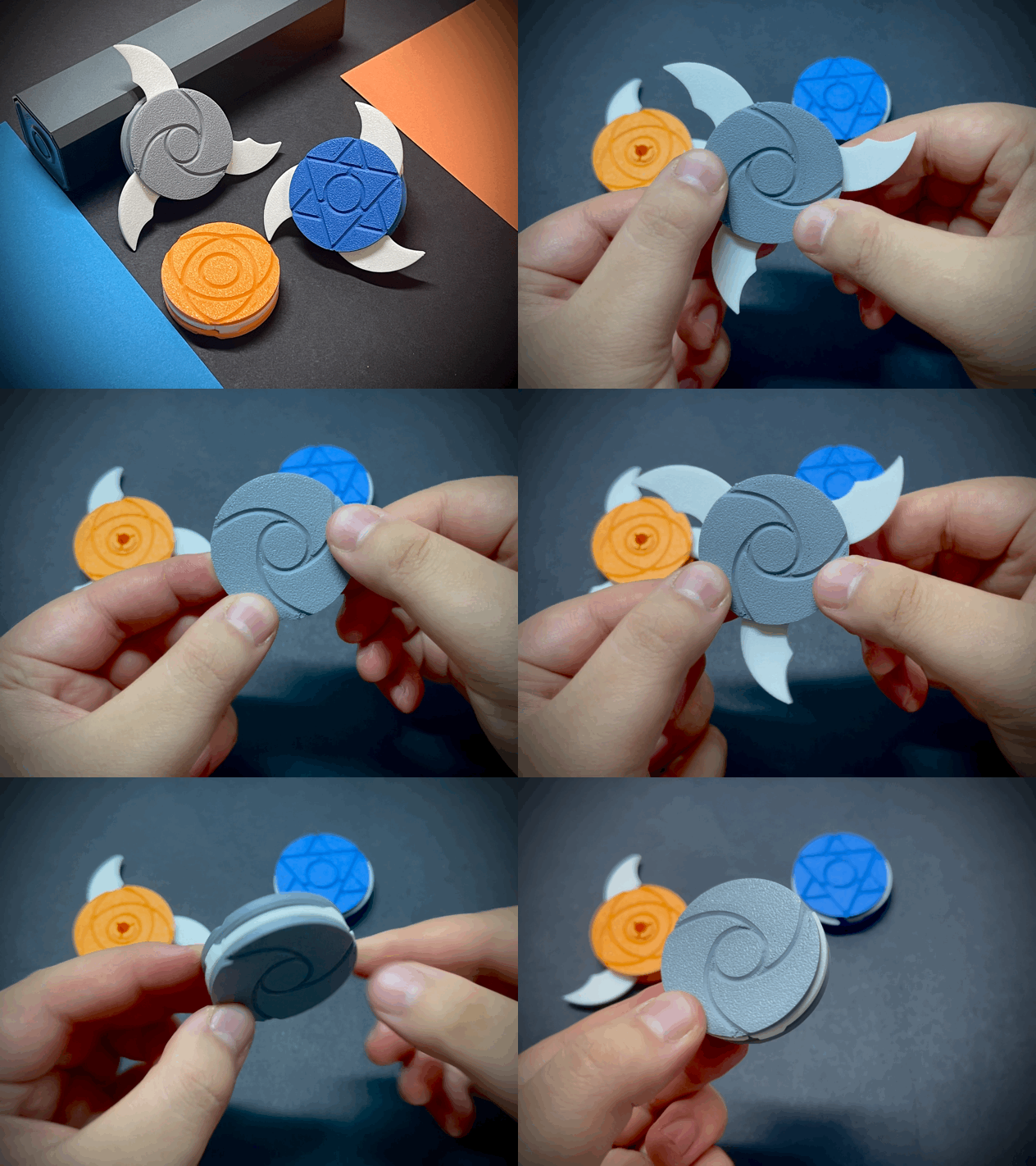

%2Fhttps%3A%2F%2Ffbi.cults3d.com%2Fuploaders%2F13405687%2Fillustration-file%2F4c93a3e8-ab9a-4cb2-9b6e-c9234a56ac68%2Fd7cc510be0080ab2eeea63a13d681f49_display_large.jpg&w=300)

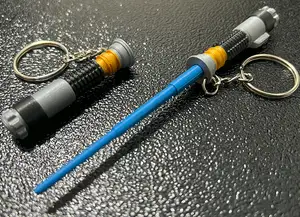

%2Fhttps%3A%2F%2Ffbi.cults3d.com%2Fuploaders%2F22638669%2Fillustration-file%2Fb633040c-10a7-4ab1-8426-8dd2a4883c3c%2FRetract-test.png&w=300)

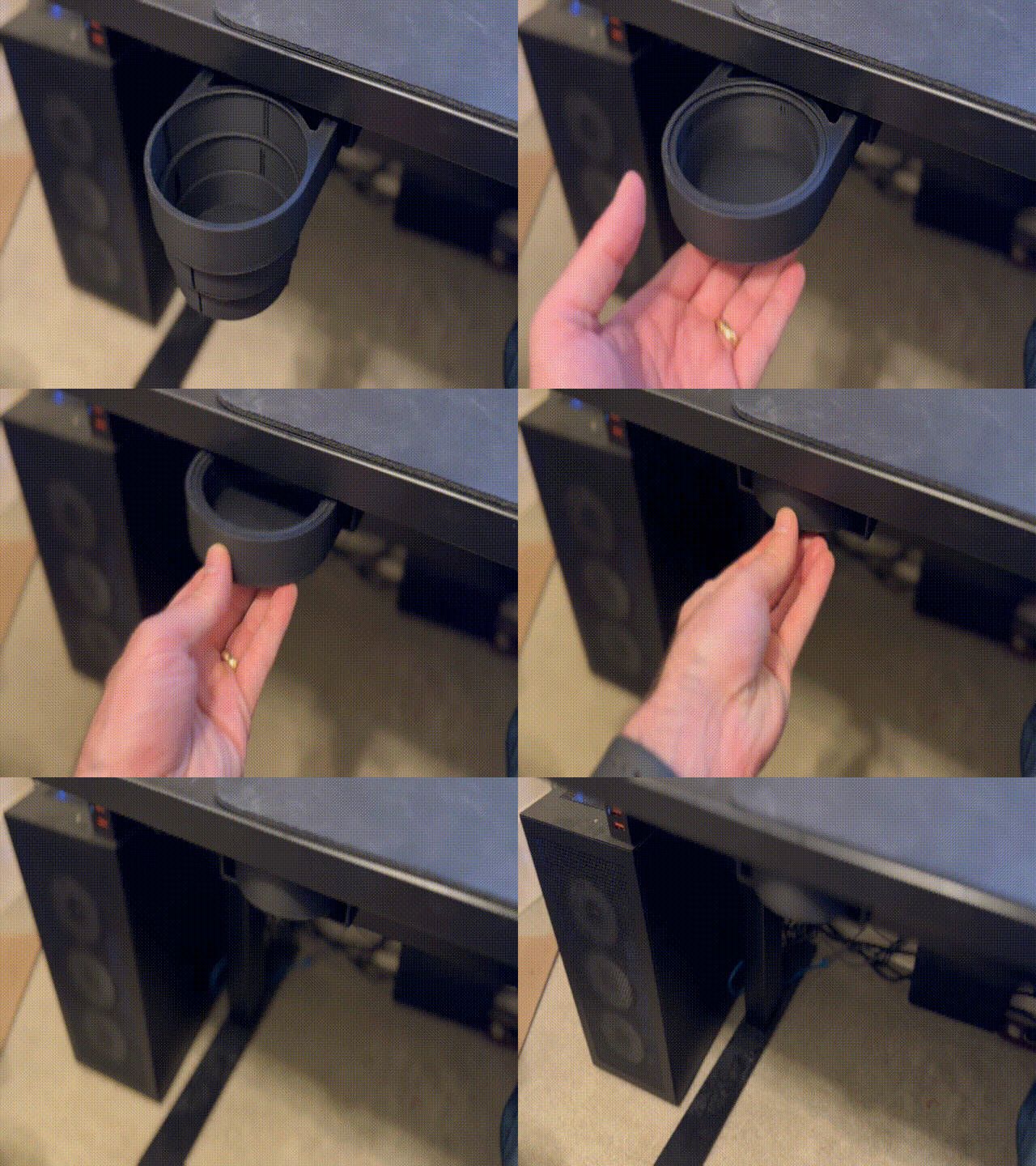

%2Fhttps%3A%2F%2Ffbi.cults3d.com%2Fuploaders%2F15596751%2Fillustration-file%2F97436908-9274-40f1-9a17-f4282434b545%2FExpanding%2520%2520mechanism-outer%2520self%2520lock4.jpg&w=300)

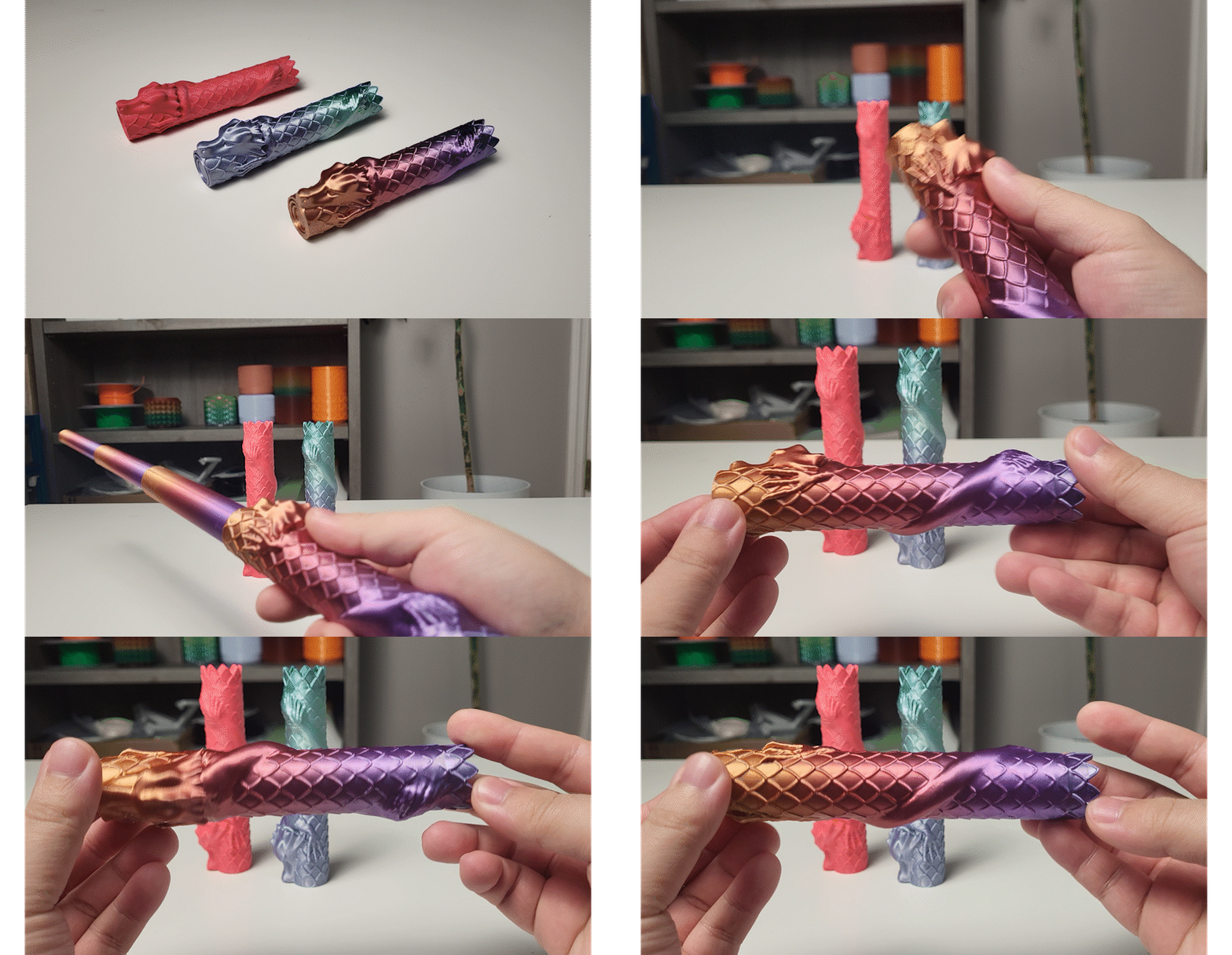

%2Fhttps%3A%2F%2Ffbi.cults3d.com%2Fuploaders%2F14406169%2Fillustration-file%2Faf6b9b5e-755b-4d9f-bac0-5f9807a7e3c9%2FRetract.jpg&w=300)
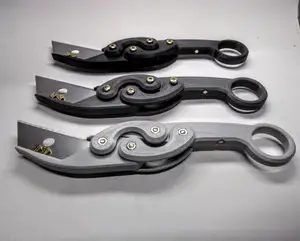

%2Fhttps%3A%2F%2Ffbi.cults3d.com%2Fuploaders%2F12943812%2Fillustration-file%2F598cef3f-aedf-4247-949d-cd1203558320%2Fdd90384ba1e582492a589796abca70cc_preview_featured.jpg&w=300)

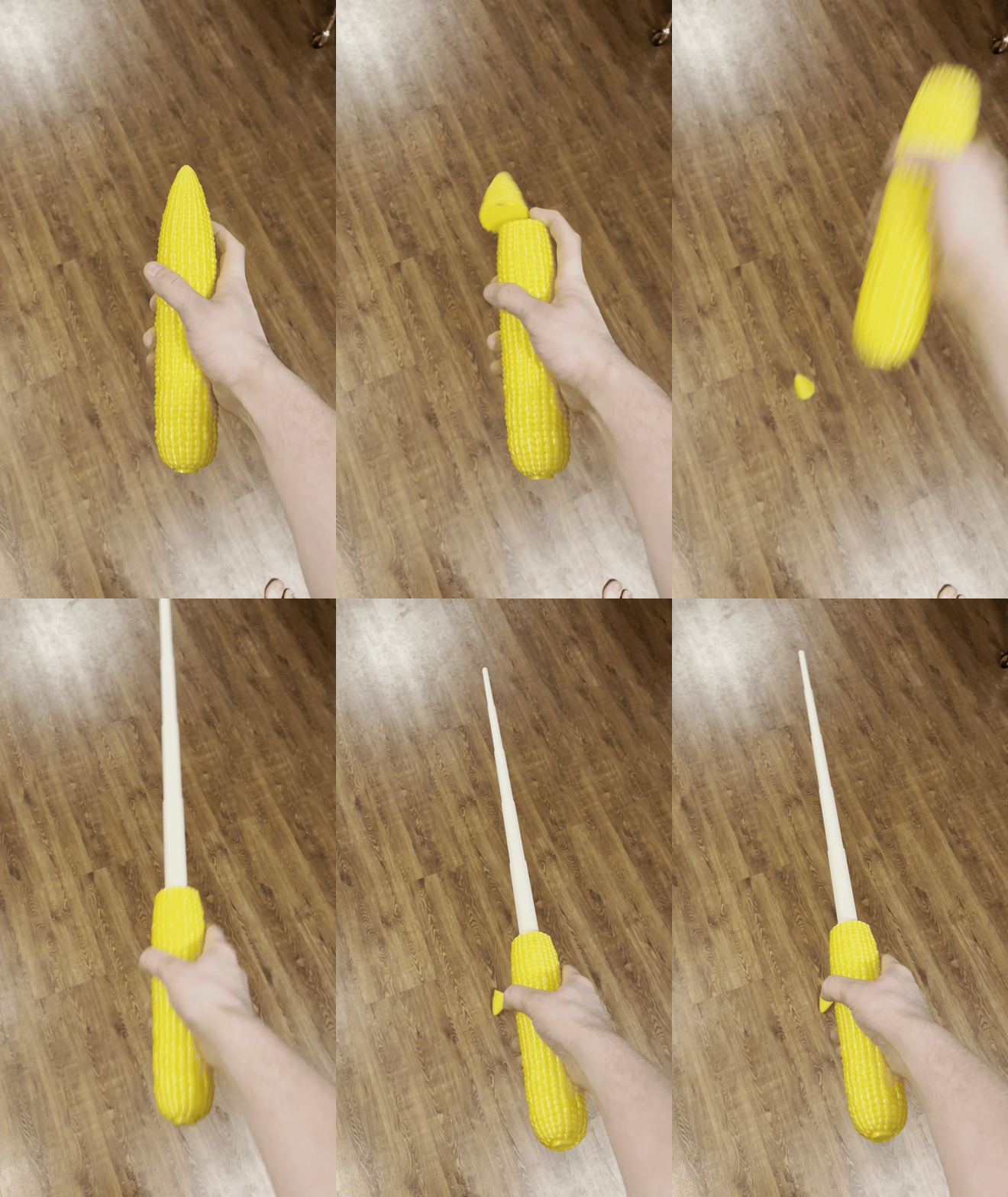


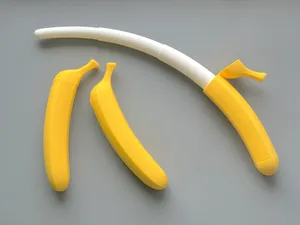

%2Fhttps%3A%2F%2Ffbi.cults3d.com%2Fuploaders%2F33836693%2Fillustration-file%2F59c51f59-8cea-4a41-aff5-e430259dc262%2F00a.jpg&w=300)
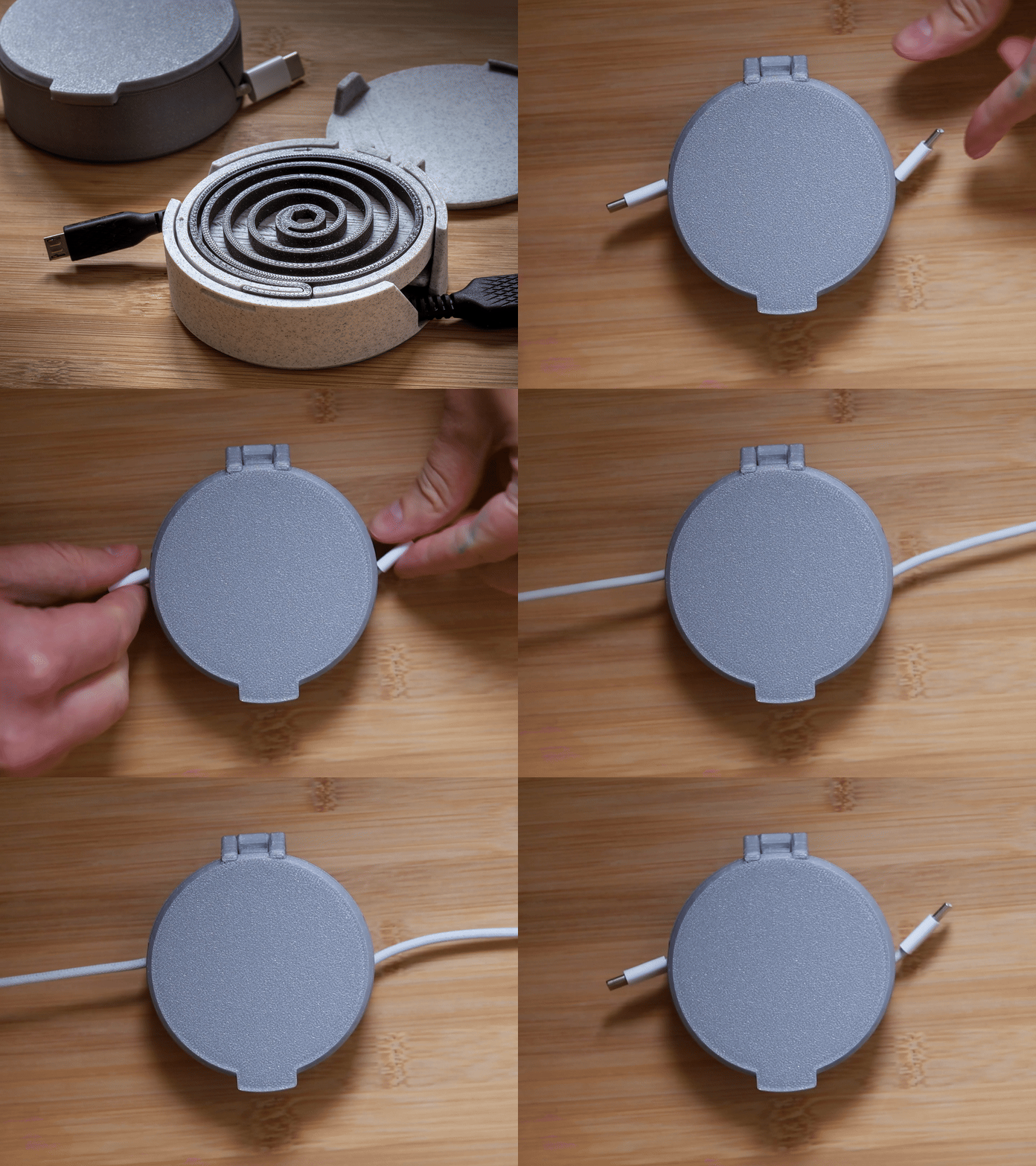

%2Fhttps%3A%2F%2Ffbi.cults3d.com%2Fuploaders%2F12943812%2Fillustration-file%2F7599ab6b-40e9-47fe-9d6f-5578e34ad75d%2FDSCN1745.jpg&w=300)


%2Fhttps%3A%2F%2Ffbi.cults3d.com%2Fuploaders%2F20738303%2Fillustration-file%2F0cf8925d-c39f-4700-902c-e4ed9d573b30%2FCapture-d%25E2%2580%2599e%25CC%2581cran-2022-09-29-a%25CC%2580-19.50.38.png&w=300)
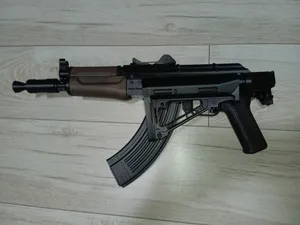
Retraction tests usually focus on a small printed shape with towers, bridges, or thin gaps, while retractable mechanisms rely on hinges, pivots, and sliding parts. RC aircraft units tend to include multiple components and often need assembly, whereas toys and costume props may be a single printed body with a moving insert. Filament buffers and spool holders solve a different problem: guiding material without tangling.
Before printing, check the author's page for size and scale, part count, and whether supports are needed. Look at the material and settings the author lists, and review photos of real prints to judge how the moving parts fit. For retraction tests, note the nozzle size, layer height, and temperature range the model was designed around.
To refine the search, try terms such as stringing test, ooze test, bridge test, retractable landing gear, folding mechanism, and linkage. Related topics include tolerance tests, overhang tests, and print-in-place hinges. Combining a mechanism type with a material or printer type can narrow results further.


The full catalog of topics — from home & household to CNC, searchable across the connected sources.
%2Fhttps%3A%2F%2Ffbi.cults3d.com%2Fuploaders%2F12943812%2Fillustration-file%2F3f3966c2-9f62-443b-b4bd-e3264a92d53e%2FDSCN1731%255B1%255D.jpg&w=640)