
Free 
Measuring Spoon with 4 of the Most Common measurements
Thingiverse
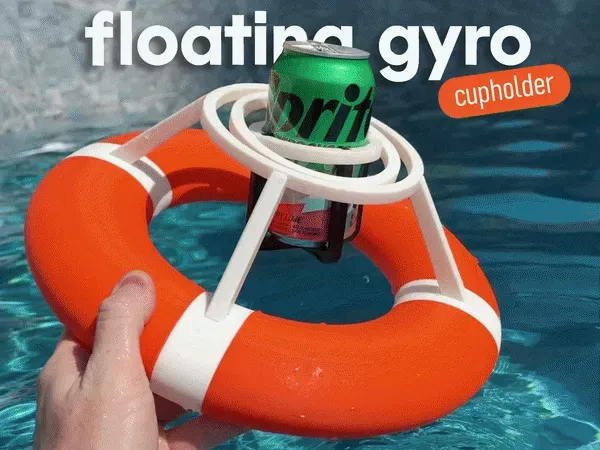
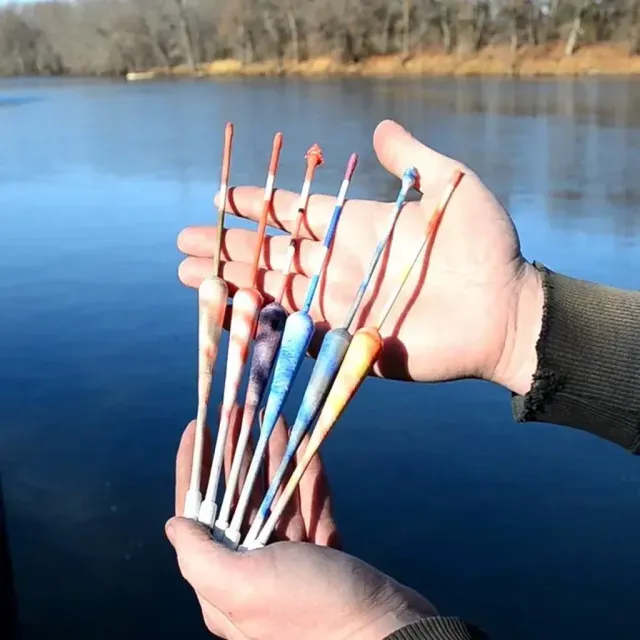
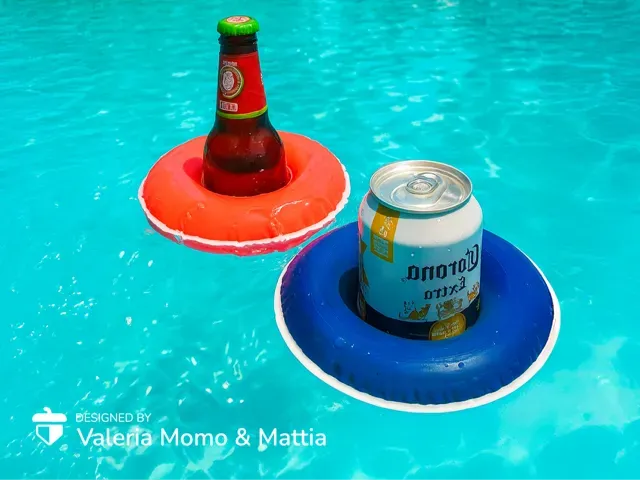
This collection gathers STL files for objects designed to float, including angler-style floats, cup holders, pool pieces, small boats, and decorative water figures. You can compare how each model handles buoyancy, assembly, and surface detail before choosing one for 3D printing. It helps narrow a broad search when you need a specific floating part rather than a general water-themed model. Polyzon does not confirm whether models are free, their price, license, official status, affiliation, safety or fitness. Check the current terms at the source.
 A Polyzon collection · 48 models from 3 platforms
Polyzon assembles this collection from search results on the connected platforms. Repeats and models without a preview are removed, weak matches go to the end, and the rest keeps the search order. Models belong to their authors — check the terms on each model's page.
Selection rules: the Polyzon editorial team · Text updated 2026-10-13



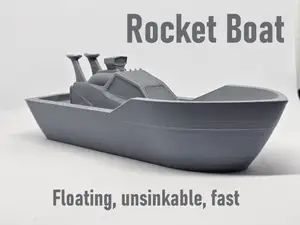

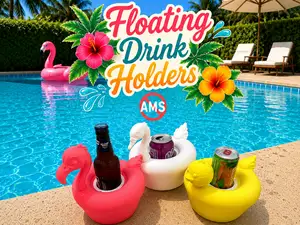


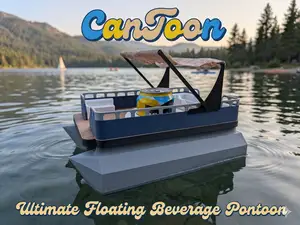
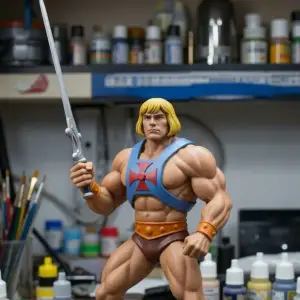

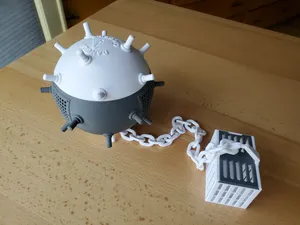
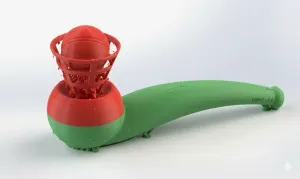

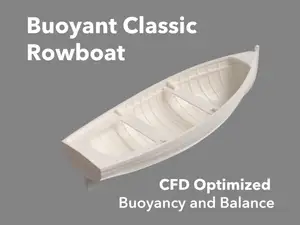
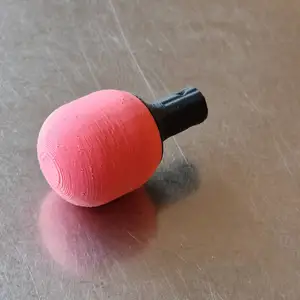



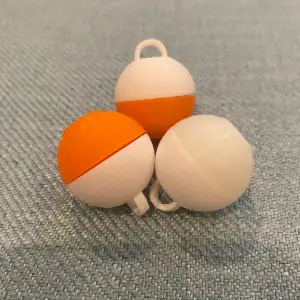

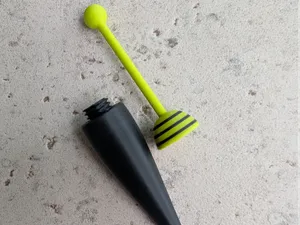
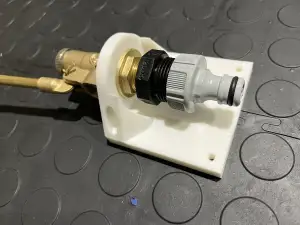

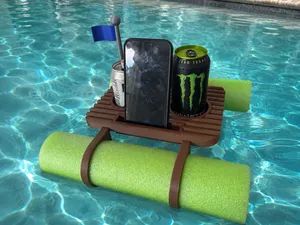
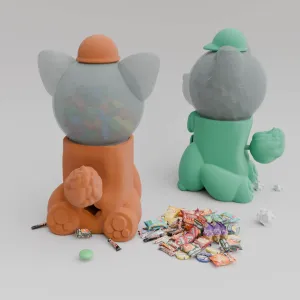

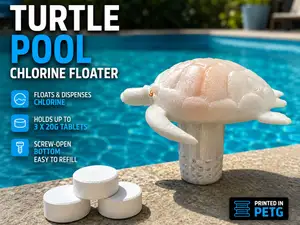
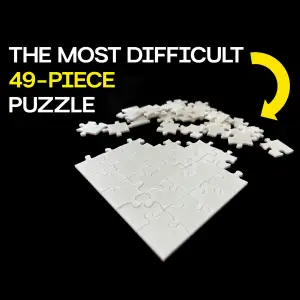

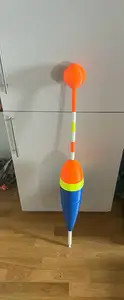
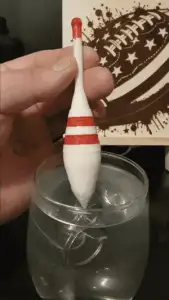

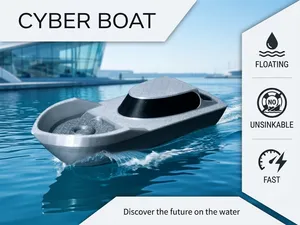
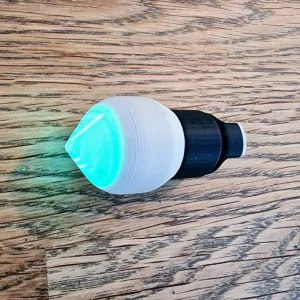

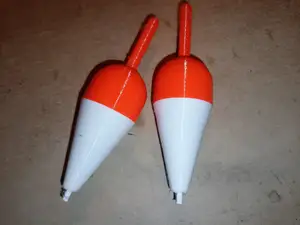
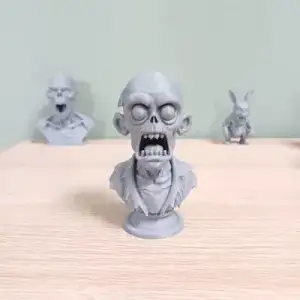

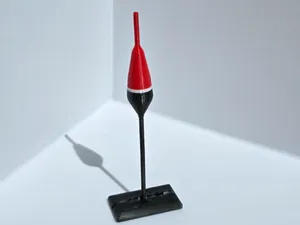
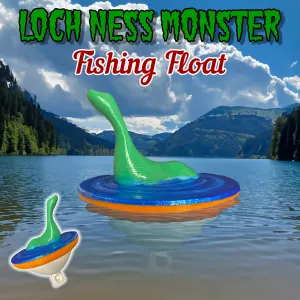
The collection covers several distinct groups: floats used in fishing, holders that keep a cup above the water, pool-side pieces such as dispensers, small buoyant boats, and spherical or decorative water figures. Angling floats tend to be compact and shaped for line attachment, while cup holders and pool pieces often use wider bases or hollow chambers. Boats and larger figures put more emphasis on hull shape, displacement, and how the model sits in water. Decorative items may prioritize surface detail over buoyancy.
When choosing a model, check the author's page for dimensions, wall thickness, number of parts, and whether the design needs supports or internal cavities. Look at how the model is meant to be sealed, weighted, or filled, because an open shell may take on water. The material and settings the author lists matter for layer adhesion and surface finish, especially on thin walls or curved hulls. Photos of real prints can show how the object behaves in water and whether the assembly matches the description.
To refine the search, try related terms such as bobber, buoy, pontoon, raft, hull, cup holder, pool accessory, or water toy. You can also search by function rather than shape, for example by adding words like hollow, fillable, sealed, or weighted. Combining a broad term with a material or print method may surface different interpretations of the same floating idea. If one phrase returns too many unrelated results, switch to a more specific object name or a related water activity.


The full catalog of topics — from home & household to CNC, searchable across the connected sources.