
Free 
Fishing Lure Airbrush Stencil - Reptile Skin
Thingiverse
This collection gathers 3D models built around reptile skin: scale textures, articulated lizards, protective skids and terrarium parts. Most files are aimed at FDM 3D printing, while small figures and stamps often end up on a resin 3D printer. It saves you from sorting through unrelated animal models when you only need a scaled surface or a small creature. Polyzon does not confirm whether models are free, their price, license, official status, affiliation, safety or fitness. Check the current terms at the source.
 A Polyzon collection · 43 models from 3 platforms
Polyzon assembles this collection from search results on the connected platforms. Repeats and models without a preview are removed, weak matches go to the end, and the rest keeps the search order. Models belong to their authors — check the terms on each model's page.
Selection rules: the Polyzon editorial team · Text updated 2026-10-14




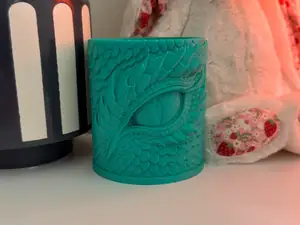

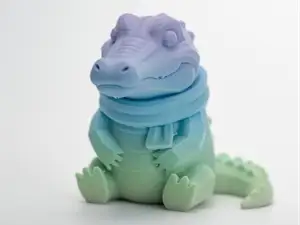


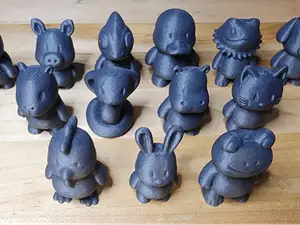

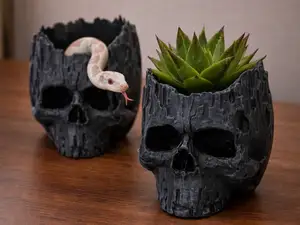

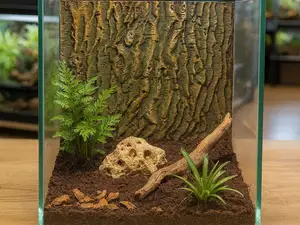

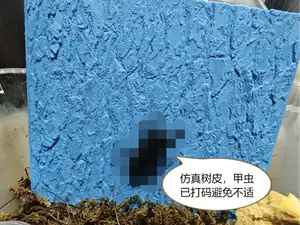

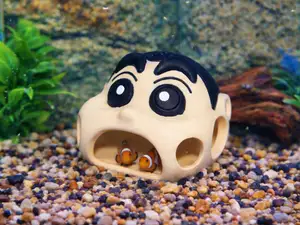

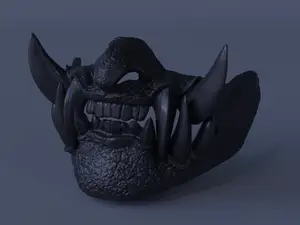

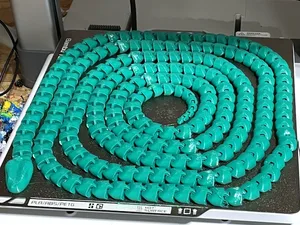

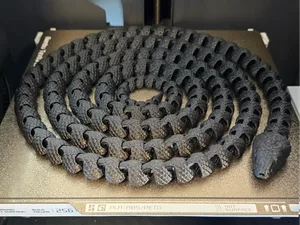

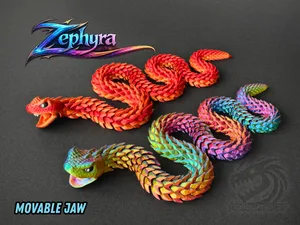

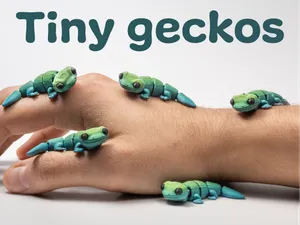

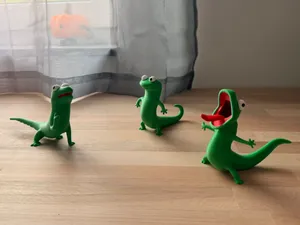


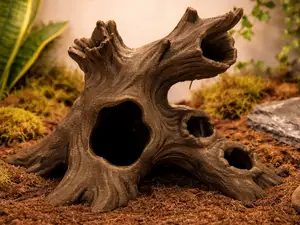

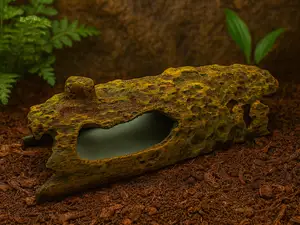
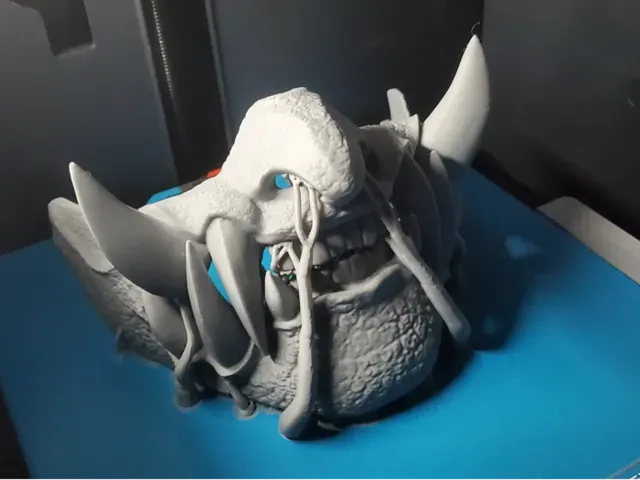
Texture rollers and stamps transfer a scaled pattern onto clay, foam or printed panels, while skid plates and nose guards are shaped parts that attach to RC bodies. Articulated reptiles arrive as multi-part prints with joints built into the mesh, and habitat pieces such as bowls, perches and back walls are larger, simpler forms. The main difference is scale: a roller covers a wide area, a bangle or mask is worn or displayed, and a small lizard is measured in centimetres.
On the author's model page, check the stated size and scale, the number of parts and how they join, and whether the model needs supports. Look at the material and settings the author lists, and at photos of real prints, because thin scales and small joints behave differently in PLA, PETG or resin. With texture tools, the depth of the pattern and the wall thickness decide how clearly the surface transfers.
You can widen a search with synonyms: scale texture, crocodile skin, dragon scales, snake pattern, skin panel. Related topics that often sit next to this one are articulated animals, terrarium accessories, texture rollers and RC body protectors. Pairing a pattern word with a use word — mask, bangle, roller, skid — usually narrows the results faster than one broad term.



The full catalog of topics — from home & household to CNC, searchable across the connected sources.