
Free 
Slinky
Thingiverse
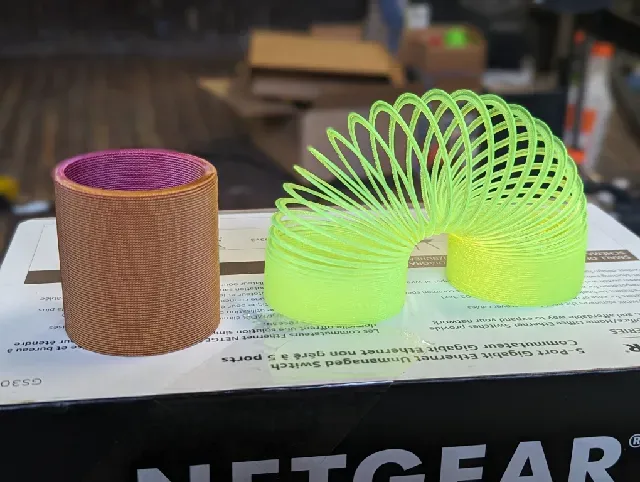
This collection gathers slinky-style 3D models: spiral springs, springy animal figures, hearts and small fidget toys. Most are simple shapes that print as one piece or a few parts, which makes them a common early project on a 3D printer. The list is live, so what appears here changes over time. Polyzon does not confirm whether models are free, their price, license, official status, affiliation, safety or fitness. Check the current terms at the source.
 A Polyzon collection · 47 models from 4 platforms
Polyzon assembles this collection from search results on the connected platforms. Repeats and models without a preview are removed, weak matches go to the end, and the rest keeps the search order. Models belong to their authors — check the terms on each model's page.
Selection rules: the Polyzon editorial team · Text updated 2026-10-14

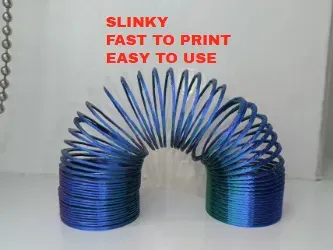
%2Fhttps%3A%2F%2Ffbi.cults3d.com%2Fuploaders%2F12991986%2Fillustration-file%2F2bd99487-47d2-4c0c-b816-a038cc9703d1%2FCapture%2520d%25E2%2580%2599e%25CC%2581cran%25202017-06-02%2520a%25CC%2580%252018.23.17.png&w=300)



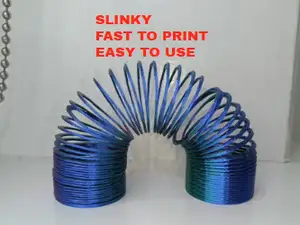
%2Fhttps%3A%2F%2Ffbi.cults3d.com%2Fuploaders%2F15138250%2Fillustration-file%2Fdcbf2785-f77b-4bbf-a81d-d77d69113a7b%2FsLINKY-1.png&w=300)


%2Fhttps%3A%2F%2Ffbi.cults3d.com%2Fuploaders%2F28408404%2Fillustration-file%2F15ee79c0-26f6-49af-90e4-63e8cdda6139%2FDSC04481-%25E6%258B%25B7%25E8%25B4%259D.png&w=300)


%2Fhttps%3A%2F%2Ffbi.cults3d.com%2Fuploaders%2F21728736%2Fillustration-file%2Feb90c46e-7a72-4ddf-b7c3-d4350d2c4bab%2FSlinky_Main-Camera.png&w=300)

![Slinky Snake [No AMS required]](https://cache.polyzon.org/api/img?url=https%3A%2F%2Fmakerworld.bblmw.com%2Fmakerworld%2Fmodel%2FUSd017abcd66d3ab%2Fdesign%2F2025-01-17_61b2a378de8f.gif&w=300)

![Slinky [Toy Story]](https://cache.polyzon.org/api/img?url=https%3A%2F%2Fimages.cults3d.com%2FrOS-a3qt4QU4svfWz1gkq22xZTs%3D%2F246x246%2Ffilters%3Ano_upscale()%2Fhttps%3A%2F%2Ffbi.cults3d.com%2Fuploaders%2F14195140%2Fillustration-file%2Fc388c63d-ff98-48fd-9a8f-8f4d2d4cbf4c%2Fslinky.png&w=300)

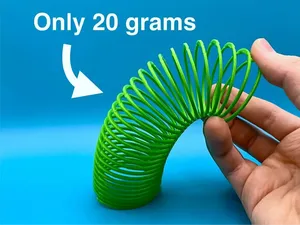


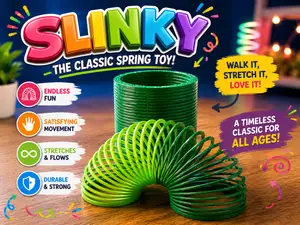

%2Fhttps%3A%2F%2Ffbi.cults3d.com%2Fuploaders%2F12991986%2Fillustration-file%2Fdf837816-e931-40c7-adec-9cccbe53fa61%2FSlinky_no_text.png&w=300)


![Slinky [Toy Story]](https://cache.polyzon.org/api/img?url=https%3A%2F%2Fresize.thingiverse.com%2F%3Furl%3Dhttps%3A%2F%2Fcdn.thingiverse.com%2Fassets%2F47%2F2a%2F62%2F86%2Ff1%2Fslinky.png%26w%3D292%26h%3D219%26fit%3Dcontain%26cbg%3Dwhite%26n%3D-1&w=300)
%2Fhttps%3A%2F%2Ffbi.cults3d.com%2Fuploaders%2F15825314%2Fillustration-file%2F922f6881-4eca-4f1d-8ff4-2f3f08523244%2Fezgif-1-aa3862ea0a.gif&w=300)

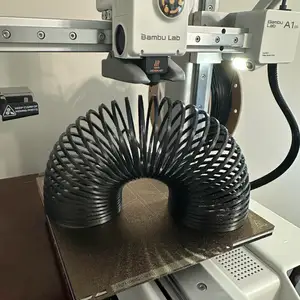


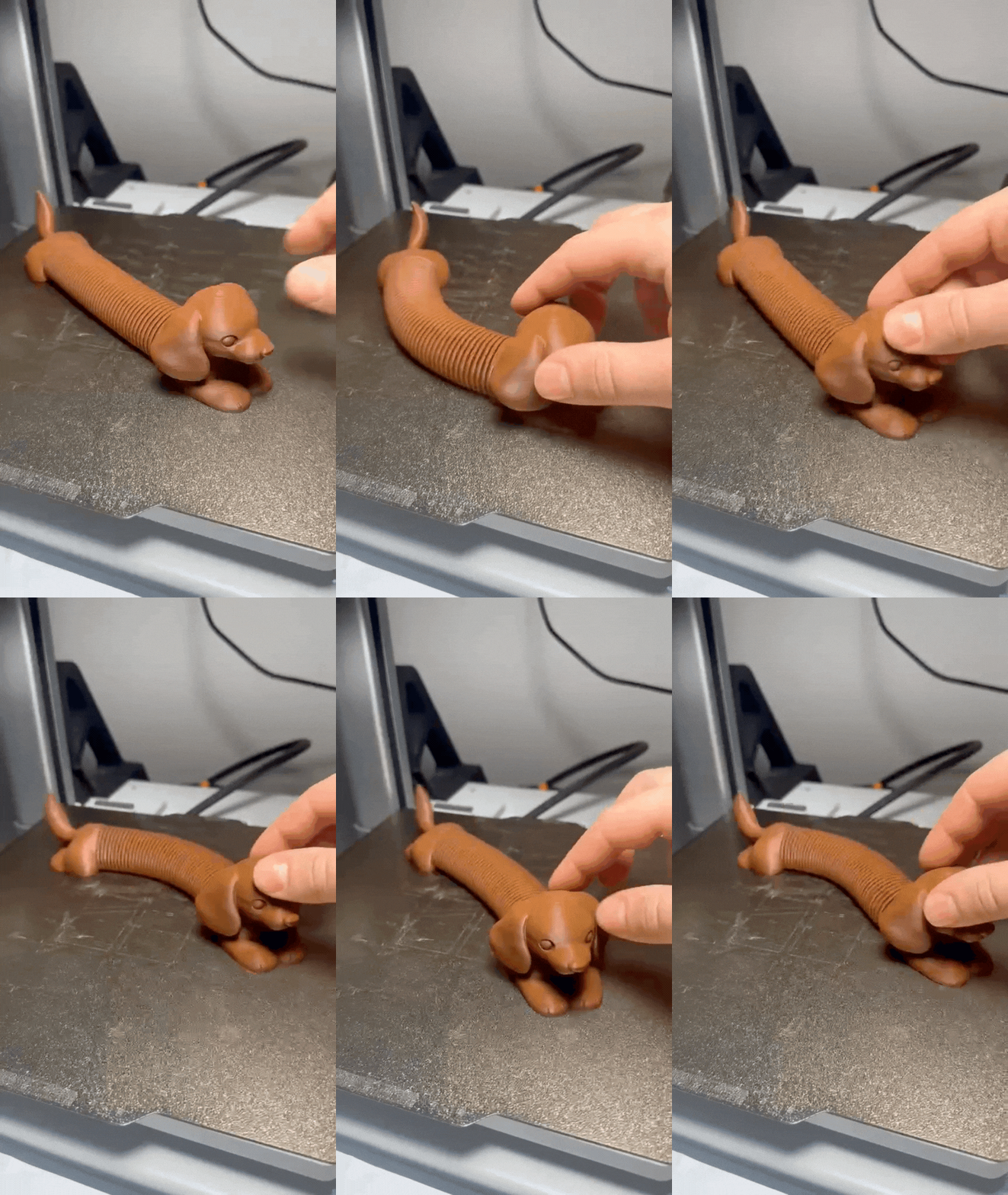


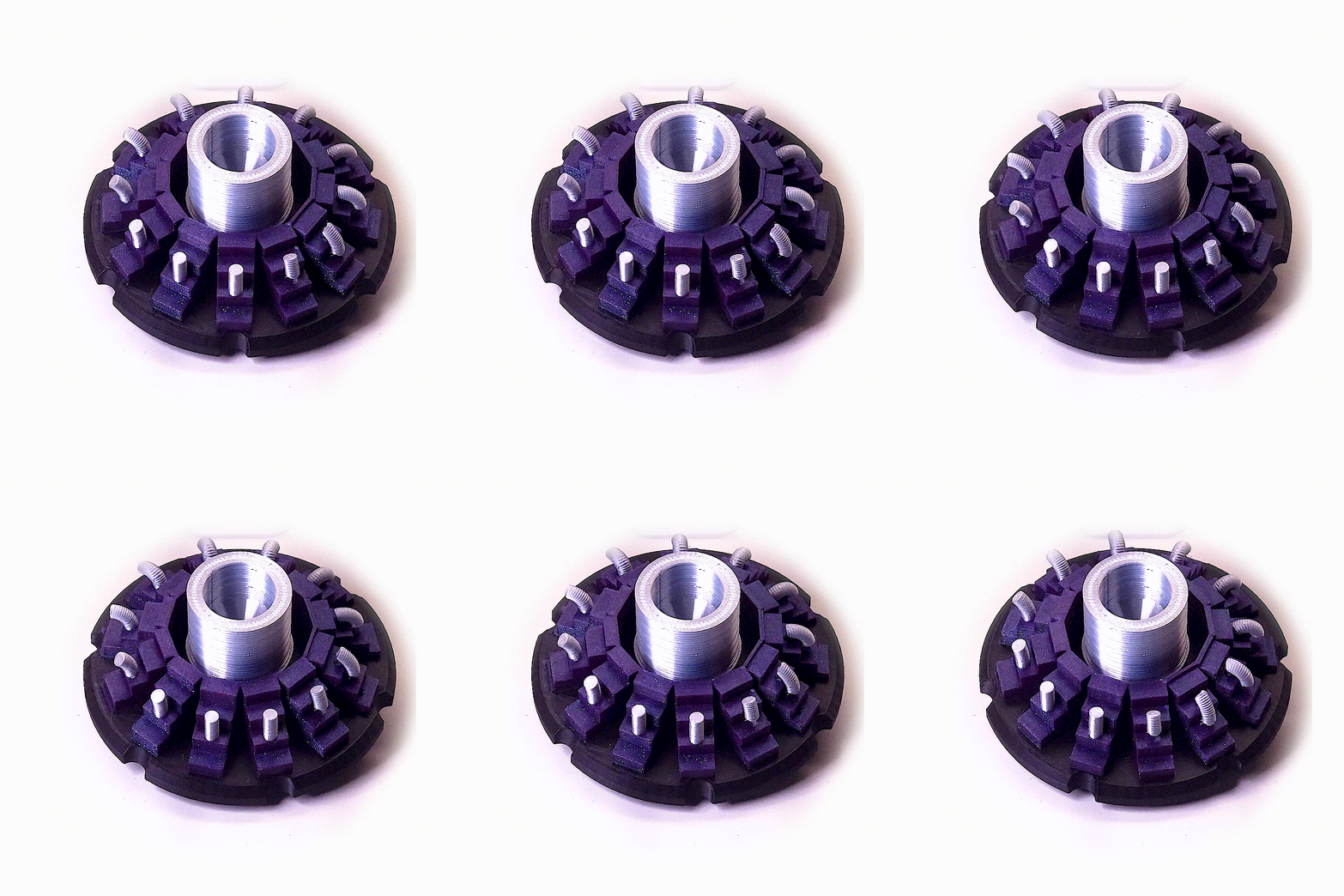
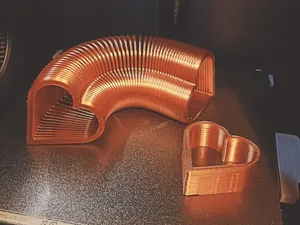
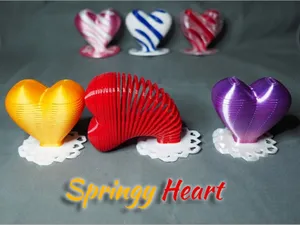
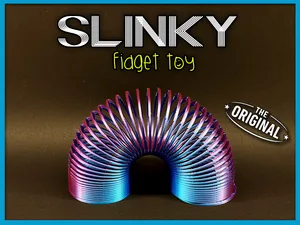
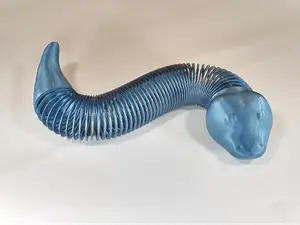
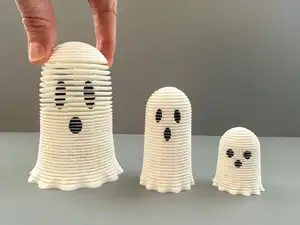
The models differ mainly in cross-section and purpose. Classic coils are round or octagonal cylinders that stretch and bounce; animal figures use a coiled body as the torso or tail; hearts and seasonal shapes turn the same spiral into a decorative object; a few entries are practical items such as holders built around a coil. Some are meant to be handled, others to sit on a desk or shelf.
When choosing, open the author's model page and look at the coil wall thickness, the gap between turns, and whether the part prints in place or needs assembly. Check the layer height and material the author lists, since a stiff filament gives a tighter, snappier spring and a flexible one gives a softer stretch. Photos of real prints are the quickest way to judge how cleanly the coils separate.
To find more, search synonyms such as spring, spiral, coil, bouncy or flexi, and combine them with fidget, desk toy or keychain. Related topics include articulated figures, print-in-place toys and holiday decorations, which often use the same spiral geometry. If a result is too large or too stiff for your 3D printer, scaling the model changes both the coil gap and the feel.





The full catalog of topics — from home & household to CNC, searchable across the connected sources.