Free 
Honeycomb Planter
Thingiverse
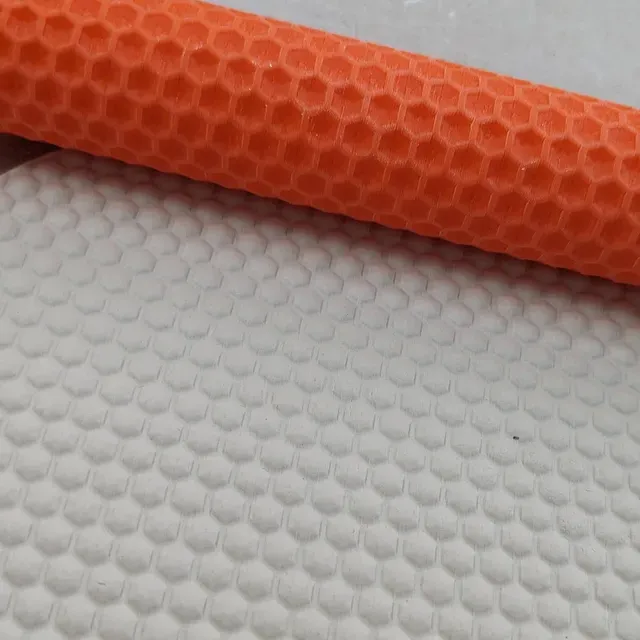
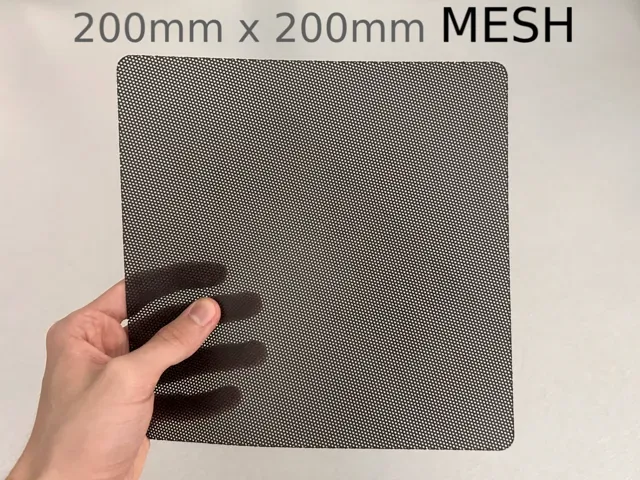
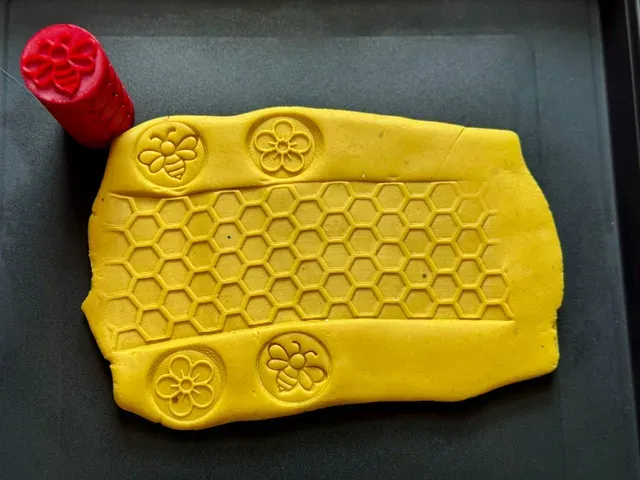
This collection gathers 3D models built around a honeycomb texture: rollers and stamps that press the pattern into clay or dough, hex-grid fidget toys, planters, organizers and flat mesh panels. It is useful when you want a repeating hexagonal surface rather than a single decorative shape. Most files are made for FDM 3D printing, and a few are sized for resin or for print-in-place assembly. Polyzon does not confirm whether models are free, their price, license, official status, affiliation, safety or fitness. Check the current terms at the source.
 A Polyzon collection · 48 models from 4 platforms
Polyzon assembles this collection from search results on the connected platforms. Repeats and models without a preview are removed, weak matches go to the end, and the rest keeps the search order. Models belong to their authors — check the terms on each model's page.
Selection rules: the Polyzon editorial team · Text updated 2026-10-12


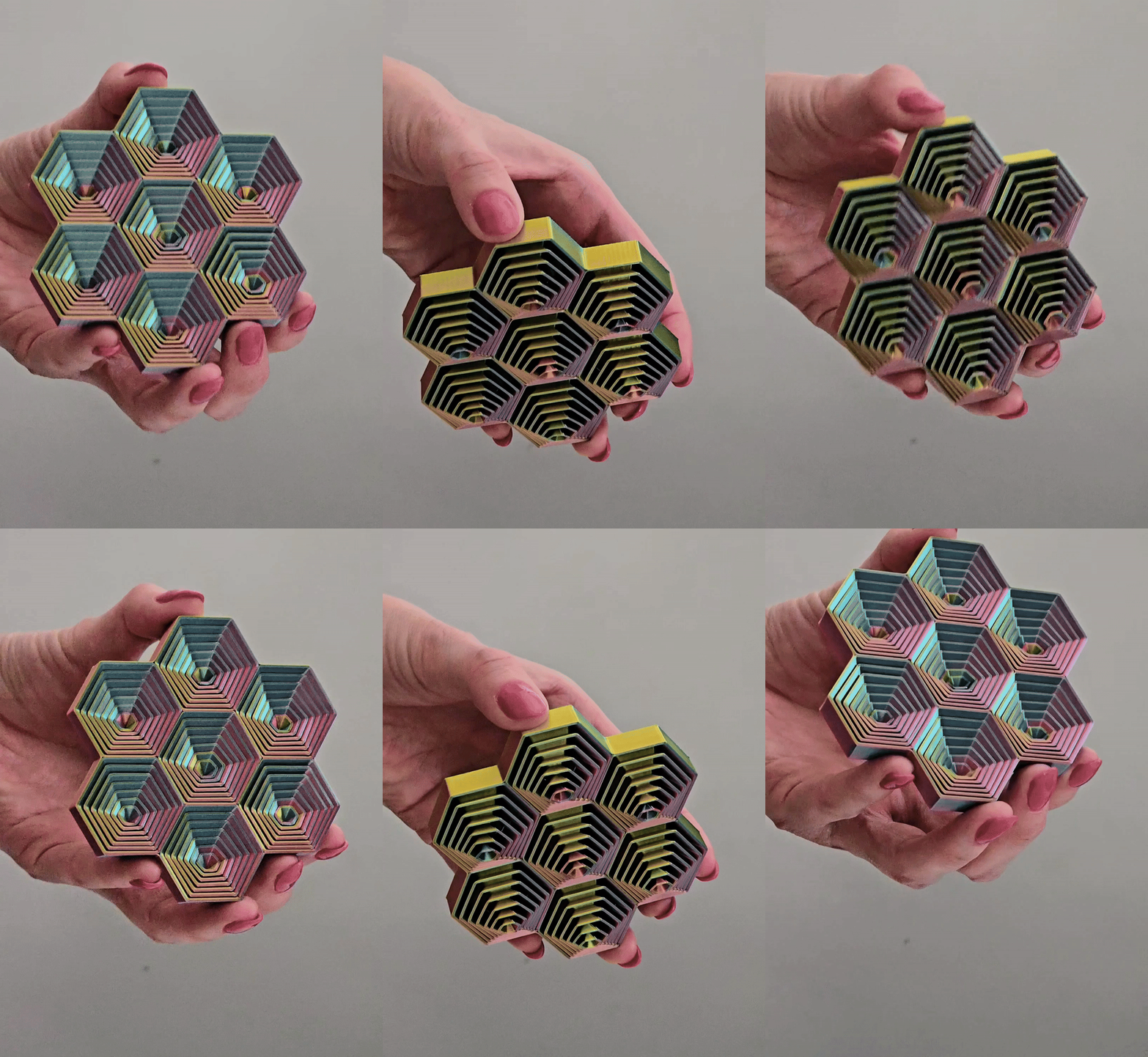
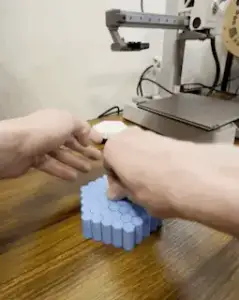


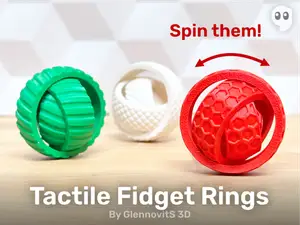
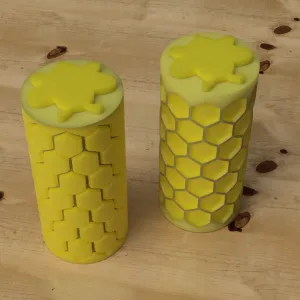


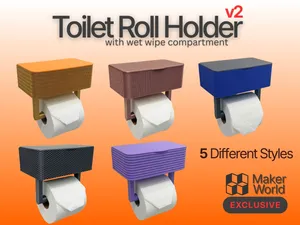
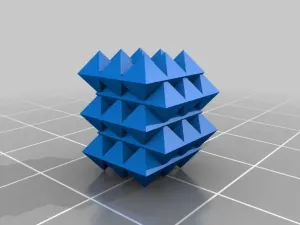

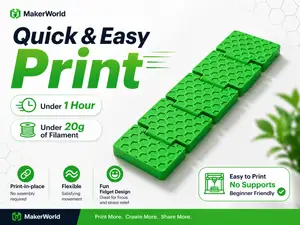
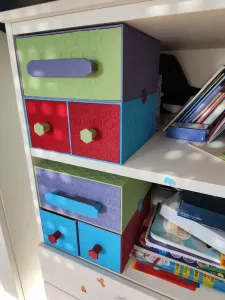

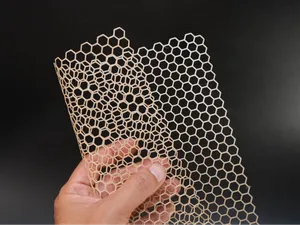
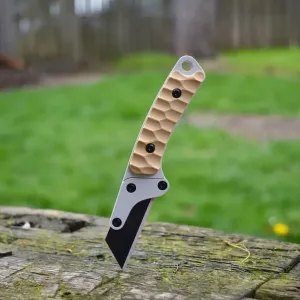

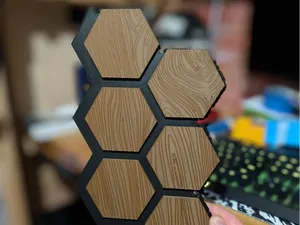
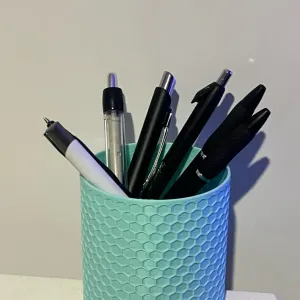

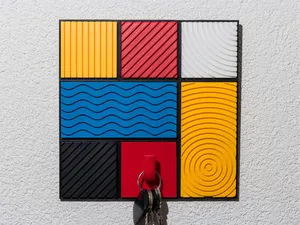


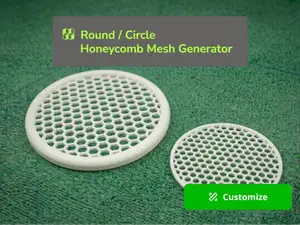
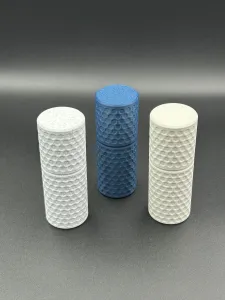

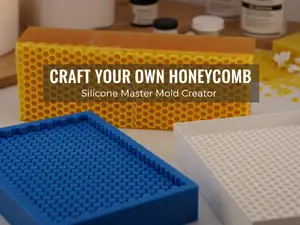
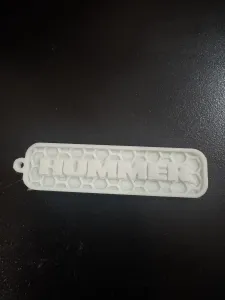

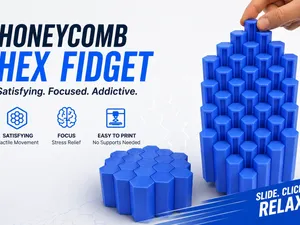
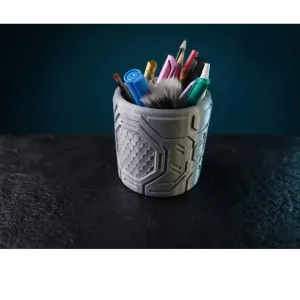

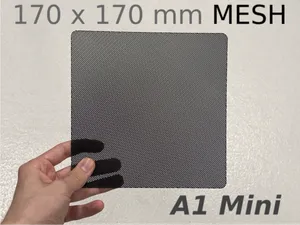
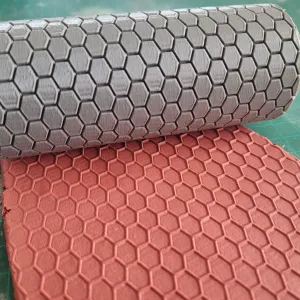

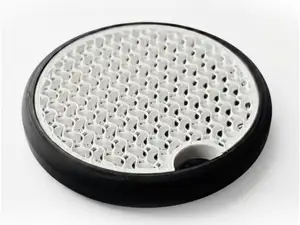

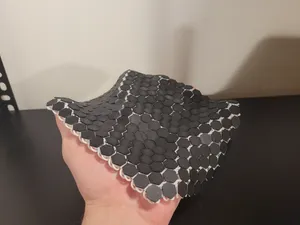
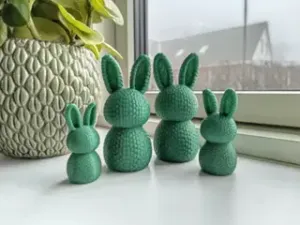

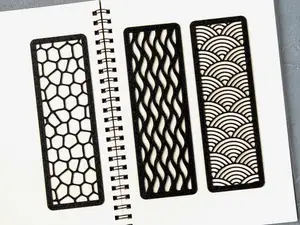
The models fall into a few groups. Rollers and stamps carry the hexagon pattern as a raised surface that is transferred to another material, so their value depends on how deep the cells are cut and how evenly the pattern repeats. Fidget and sensory items use the same grid as a flexible or spinning structure, which means wall thickness and the gap between cells matter more than surface detail. Planters, cups and organizers use the honeycomb as a wall or as a stack of compartments, so the pattern also carries a structural role.
When you open a model page, look at the dimensions and scale first, because a texture roller or a planter can be modeled at a size that does not match your build volume. Check how many parts the file contains and whether they need assembly or print-in-place clearance. Read what the author says about layer height, wall count, infill and material, since thin hex walls behave differently in PLA and in flexible filament. Photos of actual prints show how the pattern reads at a given layer height better than a render does.
To narrow the search, try the words people use for the same idea: hexagon, hexagonal, honeycomb, bee hive, cell grid, tactile, sensory, textured. Combine them with what you want to make, such as roller, stamp, planter, organizer, coaster or panel. Related topics that often appear alongside this one include beehive and bee-themed models, geometric and voronoi surfaces, and desk accessories with a repeating pattern.


The full catalog of topics — from home & household to CNC, searchable across the connected sources.