
Free 
Parametric sprinkle nozzle for watering can
Thingiverse
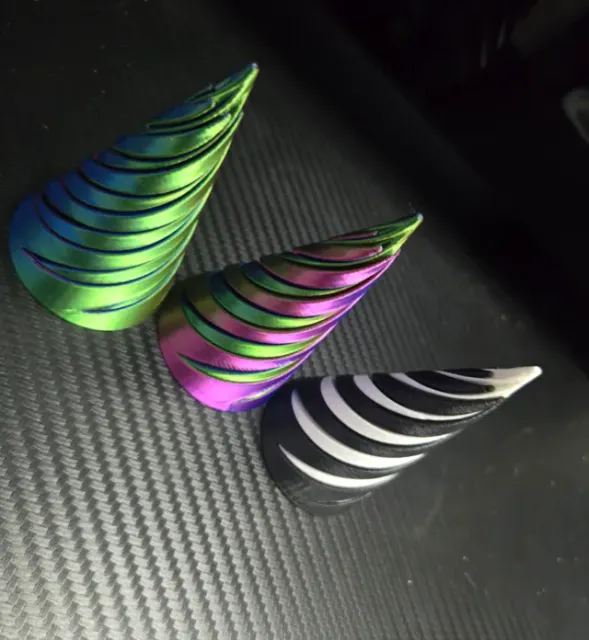
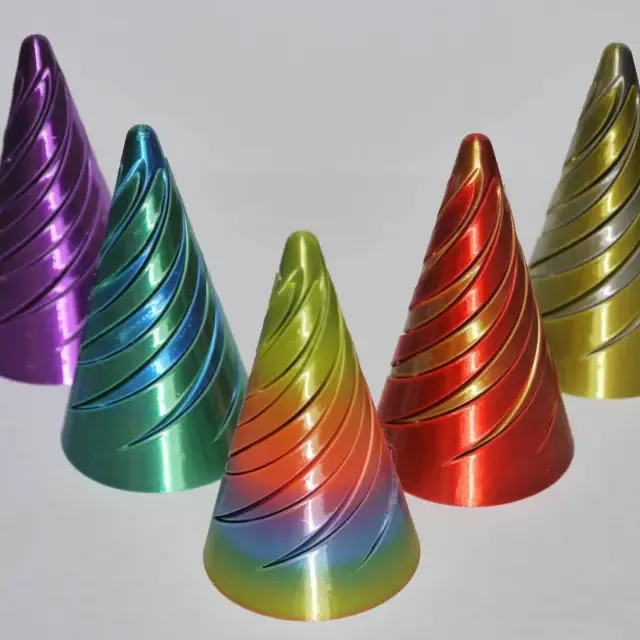
This collection gathers cone-based 3D models: spiral fidgets, Fibonacci arrangements, miniature traffic cones and passthrough puzzles. You can use it to compare how similar shapes are built for an STL workflow. The mix gives you a starting point for a small desk object or a scaled print. Polyzon does not confirm whether models are free, their price, license, official status, affiliation, safety or fitness. Check the current terms at the source.
 A Polyzon collection · 48 models from 3 platforms
Polyzon assembles this collection from search results on the connected platforms. Repeats and models without a preview are removed, weak matches go to the end, and the rest keeps the search order. Models belong to their authors — check the terms on each model's page.
Selection rules: the Polyzon editorial team · Text updated 2026-10-14




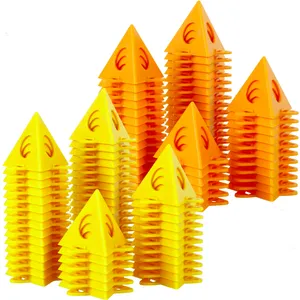



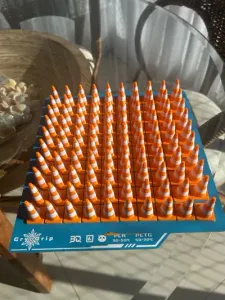

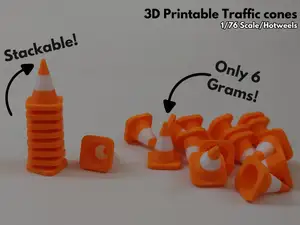
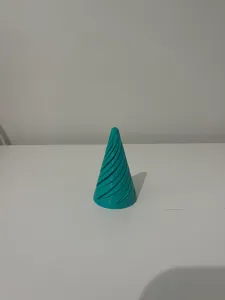


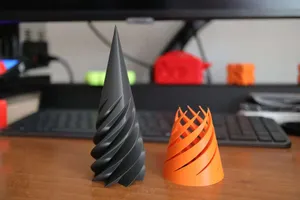

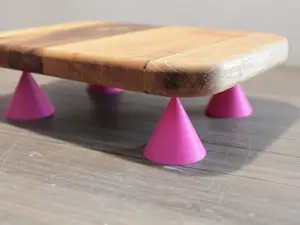





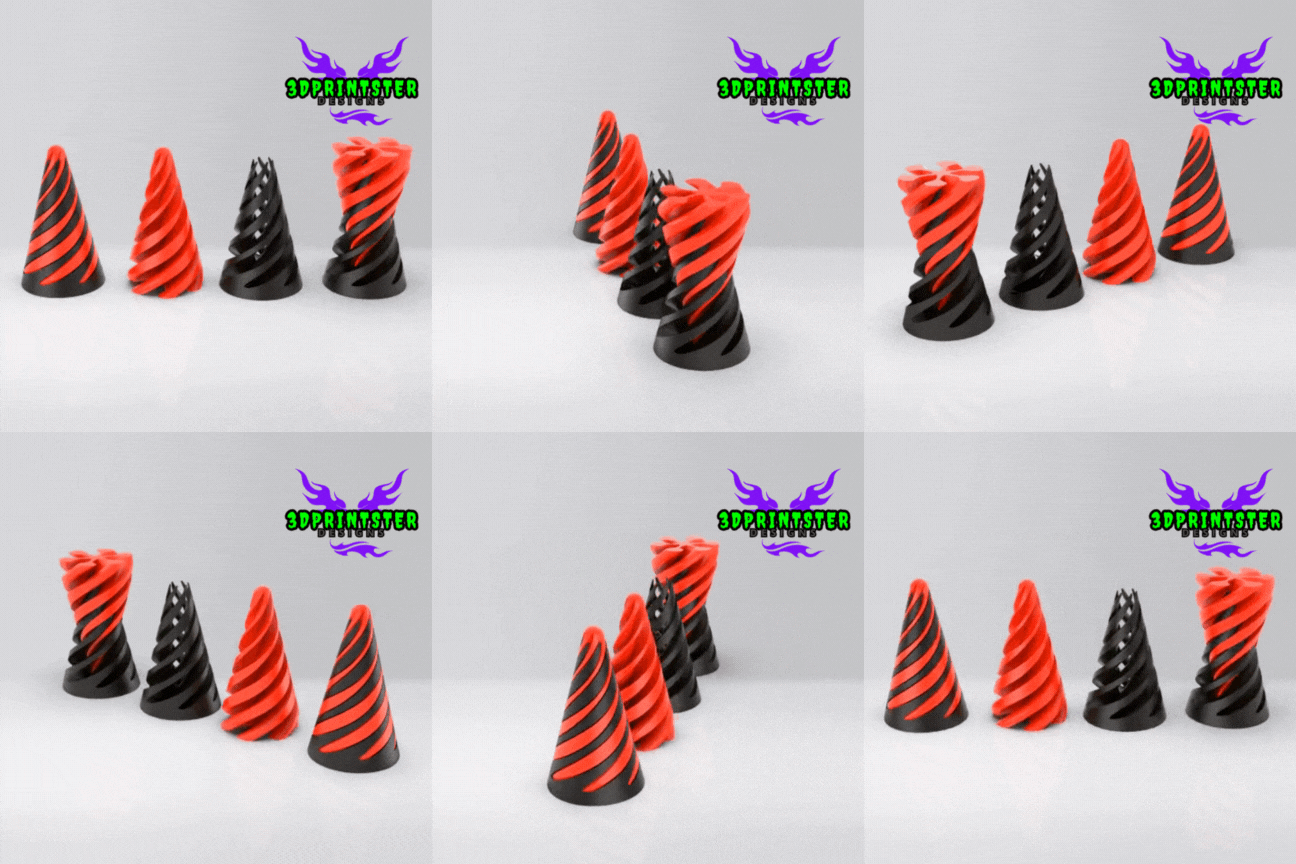

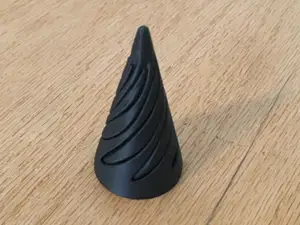
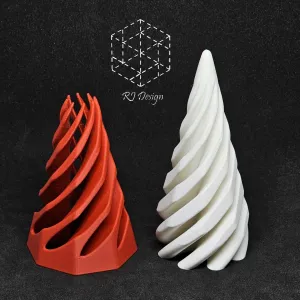

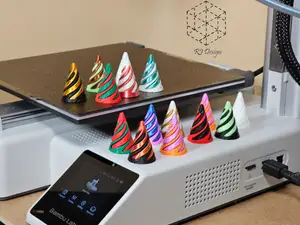
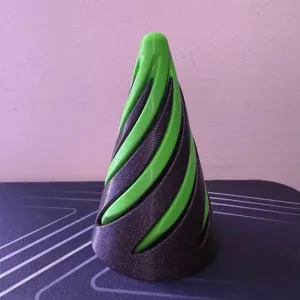


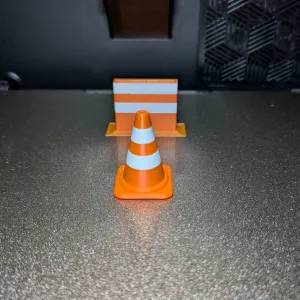

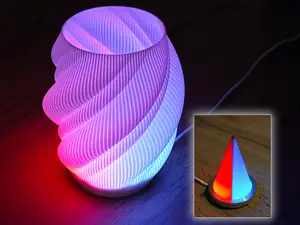


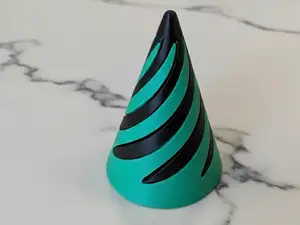
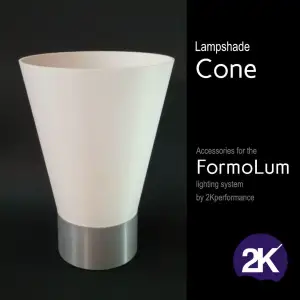


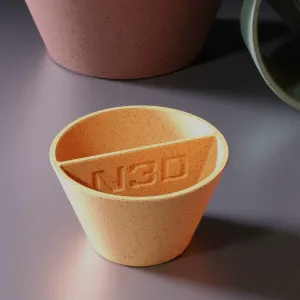

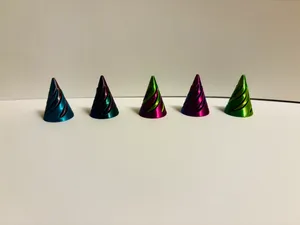

Cone models here range from smooth or spiral fidget shapes to Fibonacci-style balls and cone assemblies. Miniature traffic cones and stackable versions differ mainly in scale, wall thickness and how they nest. Passthrough and print-in-place designs add moving or interlocking parts, while painting cones and mold-like forms serve as aids for coating or shaping.
When choosing a model, check the author's page for overall size and scale, part count and assembly, and whether supports are needed. Look at the listed material and slicer settings, then compare them with photos of real prints to judge surface finish and tolerances. For small cones, layer height and cooling affect tips; for passthrough parts, clearance matters more than speed.
To refine the search, try synonyms such as spiral, helix, tapered, stackable, miniature, and passthrough. Related topics include fidget toys, Fibonacci geometry, scale accessories, and print-in-place mechanisms. Adding a scale or size term, or a use like painting aid or desk toy, narrows results further.



The full catalog of topics — from home & household to CNC, searchable across the connected sources.