
Free 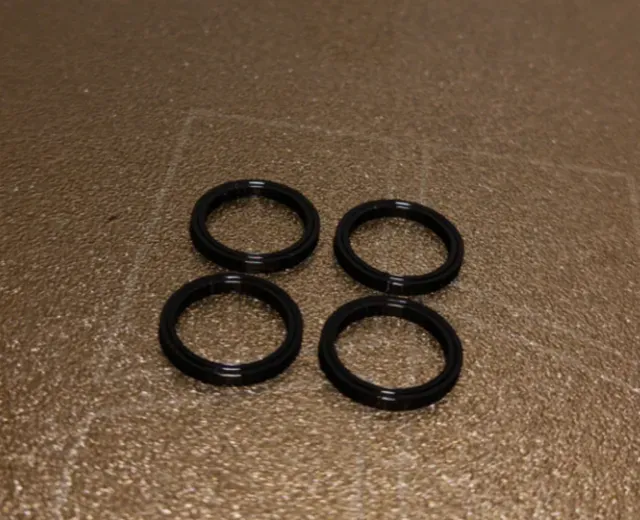
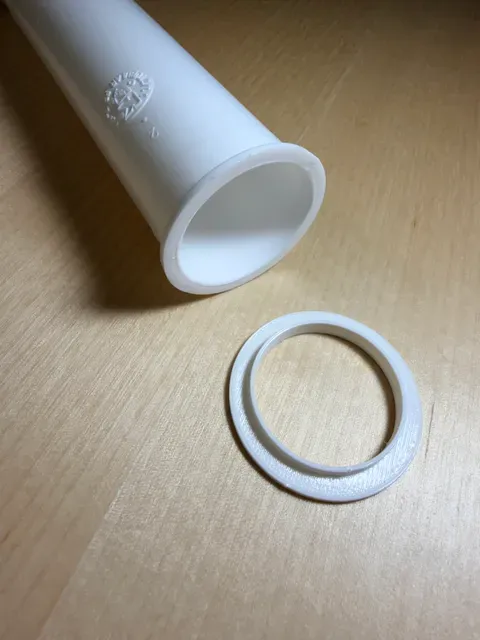
TPU Gasket 1/2" NPT for Shower
MakerWorld
This collection gathers STL files for TPU gaskets and seals, from flat rings for hoses and pipes to flanges for exhaust ducts and dry boxes. Most of them are small parts that are awkward to buy in the exact size you need, which makes 3D printing a practical route. The models differ mainly in diameter, thickness and whether they sit on a thread or between two flat surfaces. Polyzon does not confirm whether models are free, their price, license, official status, affiliation, safety or fitness. Check the current terms at the source.
 A Polyzon collection · 48 models from 5 platforms
Polyzon assembles this collection from search results on the connected platforms. Repeats and models without a preview are removed, weak matches go to the end, and the rest keeps the search order. Models belong to their authors — check the terms on each model's page.
Selection rules: the Polyzon editorial team · Text updated 2026-10-10


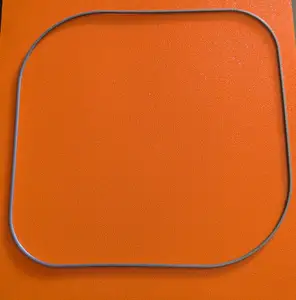
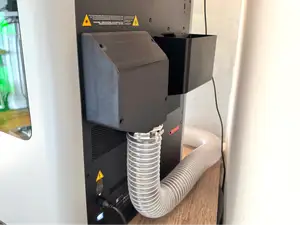
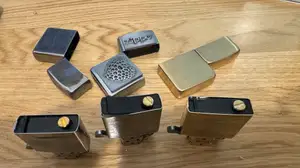


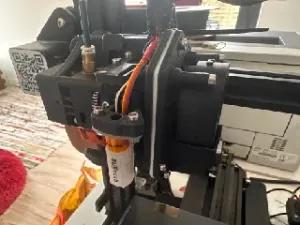
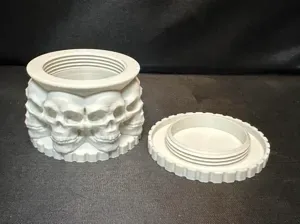
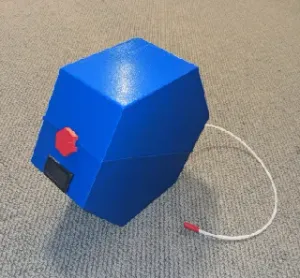


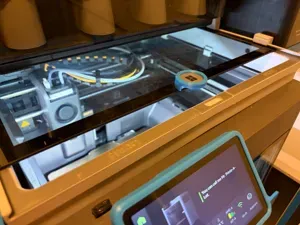

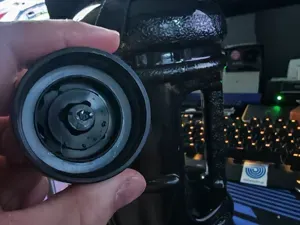

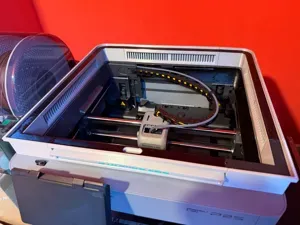
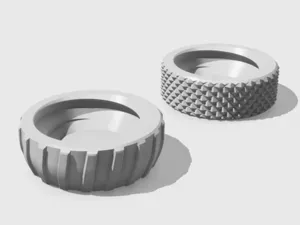
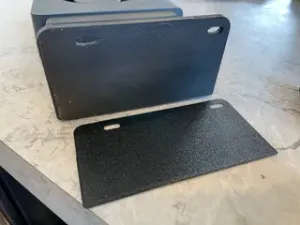


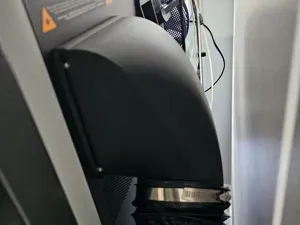

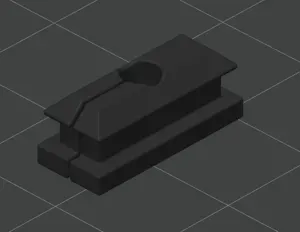

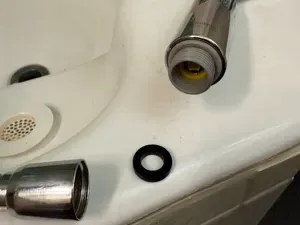
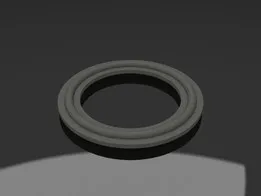
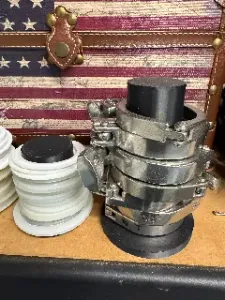
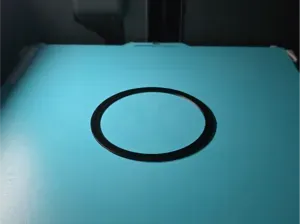

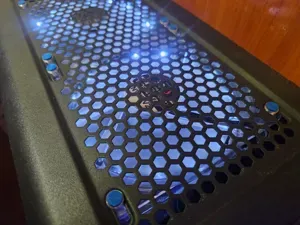
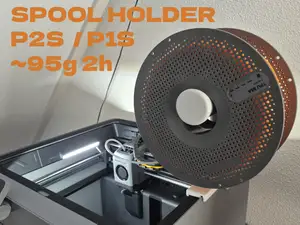

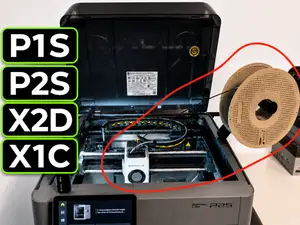

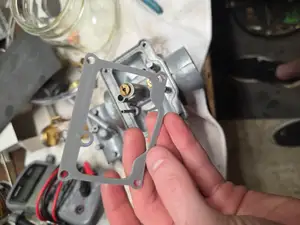
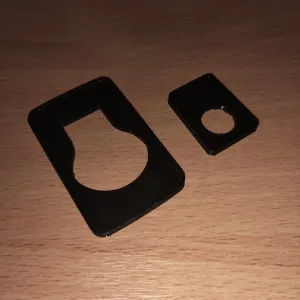
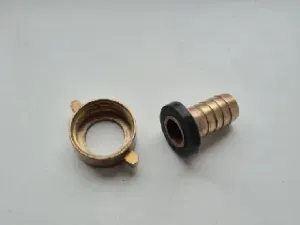




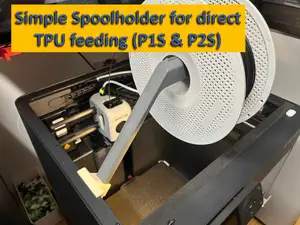
The files fall into a few recognizable groups. Flat rings and washers are sized by inner and outer diameter and are meant to be compressed between two surfaces. Threaded versions are built around a named thread standard and often include a raised lip or a chamfer that follows the fitting. Enclosure parts, such as exhaust and duct gaskets, tend to be larger and shaped around a specific opening, while small container seals are closer to a plug or a rim profile.
When choosing a model, read the dimensions before anything else: inner diameter, outer diameter, thickness and thread size if there is one. Check how many parts the file contains and whether they are meant to be glued or pressed together. On the author's page, look for the material and settings they list, the hardness of the TPU they used, and photos of real prints, since a soft grade and a stiff one behave differently under compression. Layer orientation matters too: a gasket printed flat usually compresses more evenly than one printed on its side.
If the first search does not return the size you need, try other words for the same object: seal, washer, O-ring, grommet, flange, adapter or bushing. Adding a measurement or a thread standard to the query narrows the results quickly. Related topics are worth a look as well, because gaskets often appear as one part of a larger file, such as a hose adapter, a riser, a dry box lid or a jar closure.


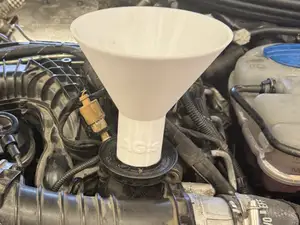

The full catalog of topics — from home & household to CNC, searchable across the connected sources.