
Free 
Transforming Wheel Robot
Thingiverse
This collection gathers 3D models of robots that change shape: cubes, spheres, vehicles, aircraft and character-based figures. Most of them are made for FDM 3D printing and many fold without separate fasteners. It helps you find a project where the transformation is part of the design, not an afterthought. Polyzon does not confirm whether models are free, their price, license, official status, affiliation, safety or fitness. Check the current terms at the source.
 A Polyzon collection · 47 models from 4 platforms
Polyzon assembles this collection from search results on the connected platforms. Repeats and models without a preview are removed, weak matches go to the end, and the rest keeps the search order. Models belong to their authors — check the terms on each model's page.
Selection rules: the Polyzon editorial team · Text updated 2026-10-12


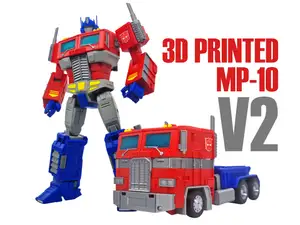


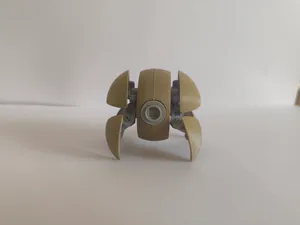
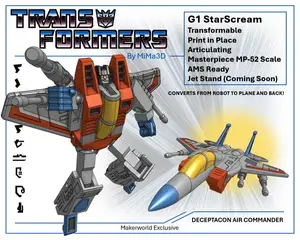


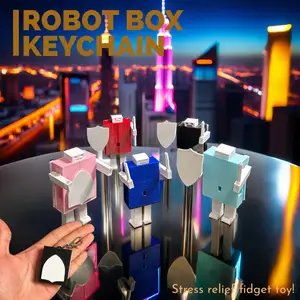


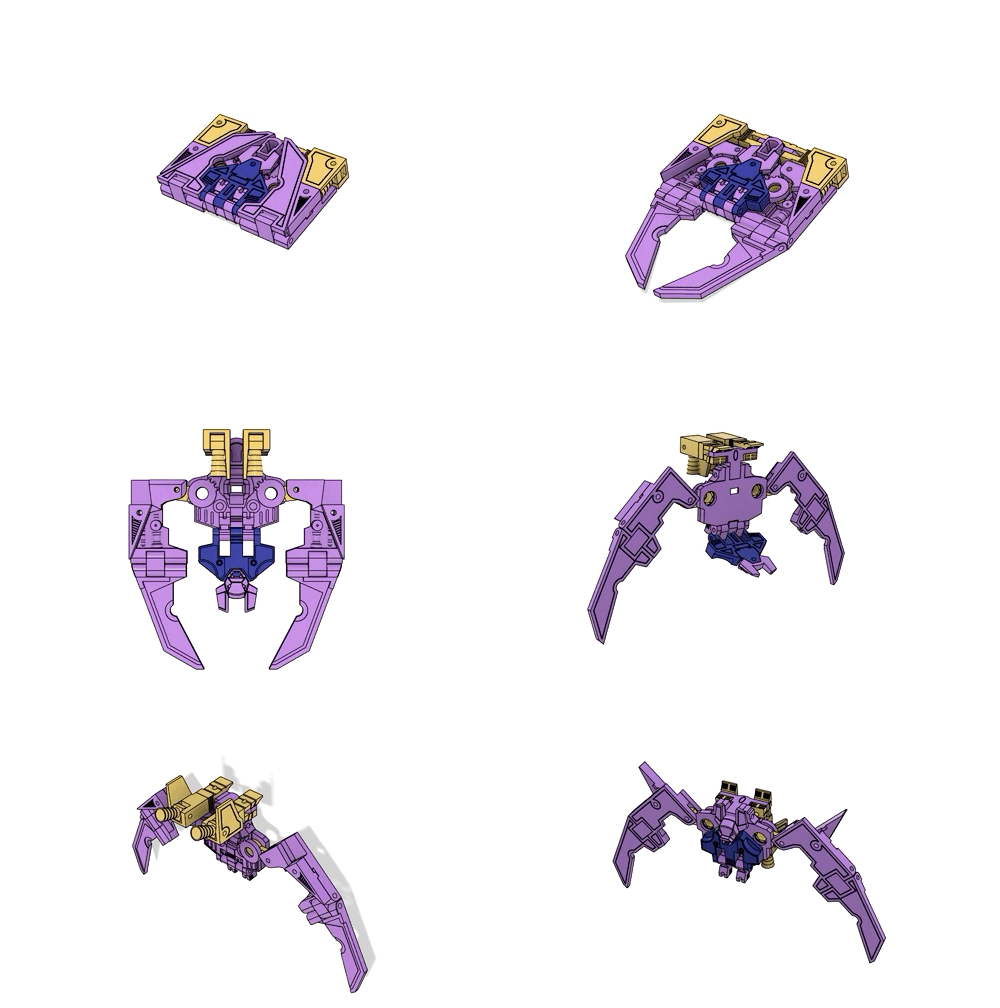





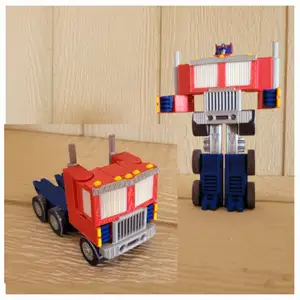


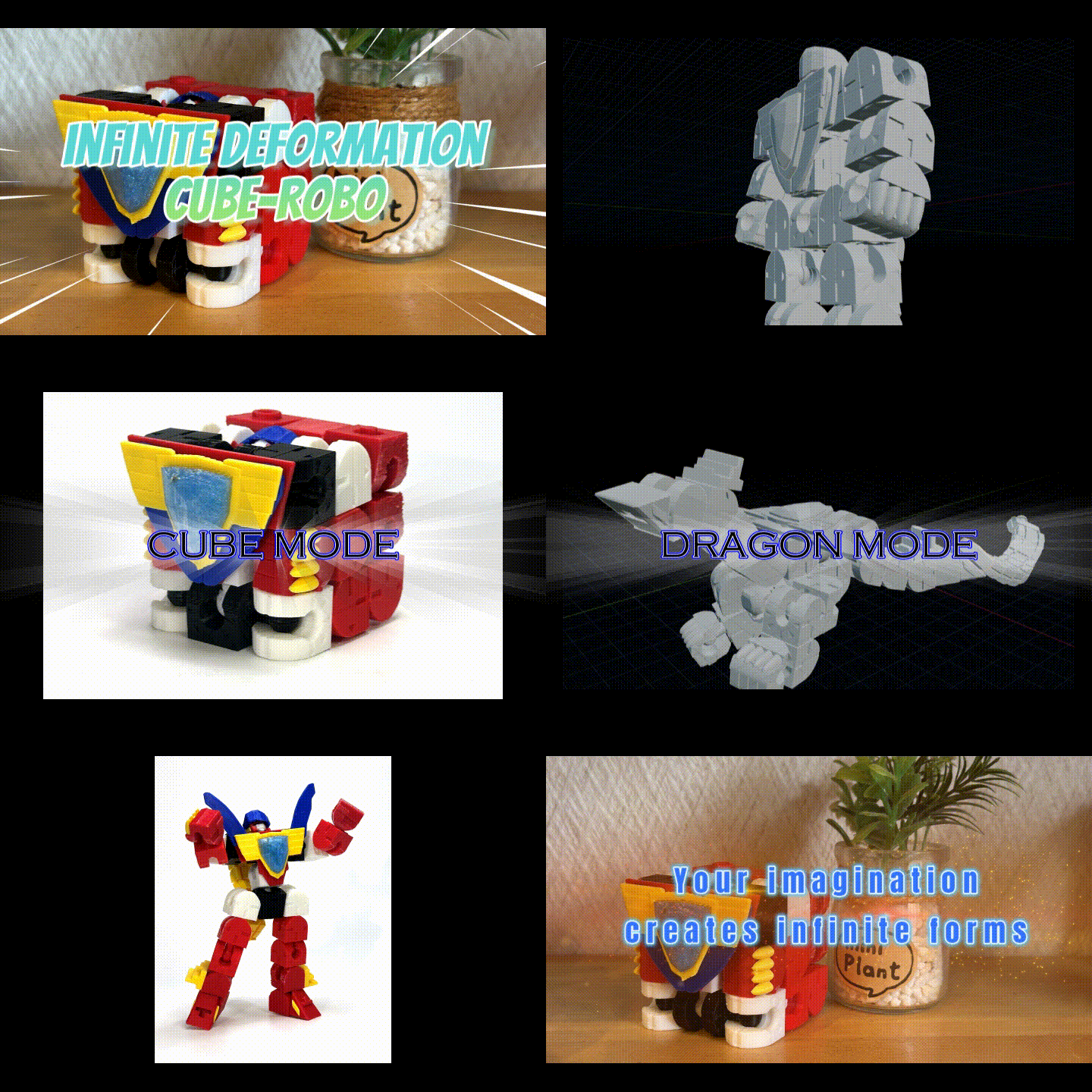




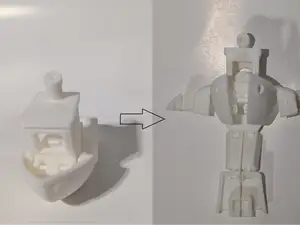


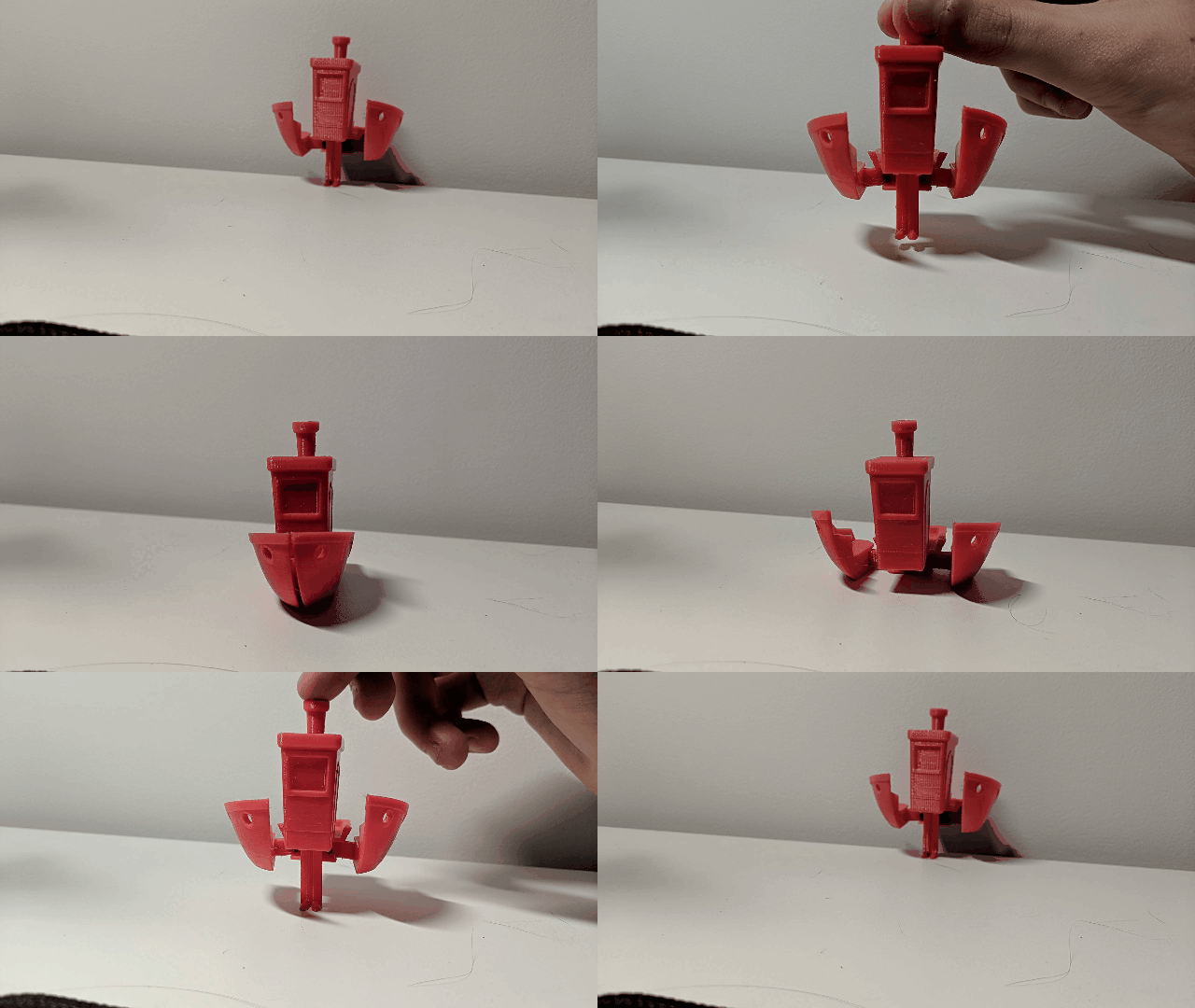


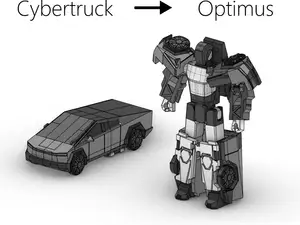


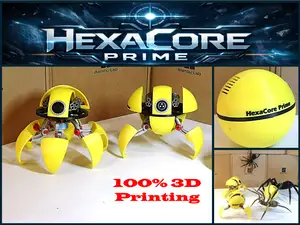


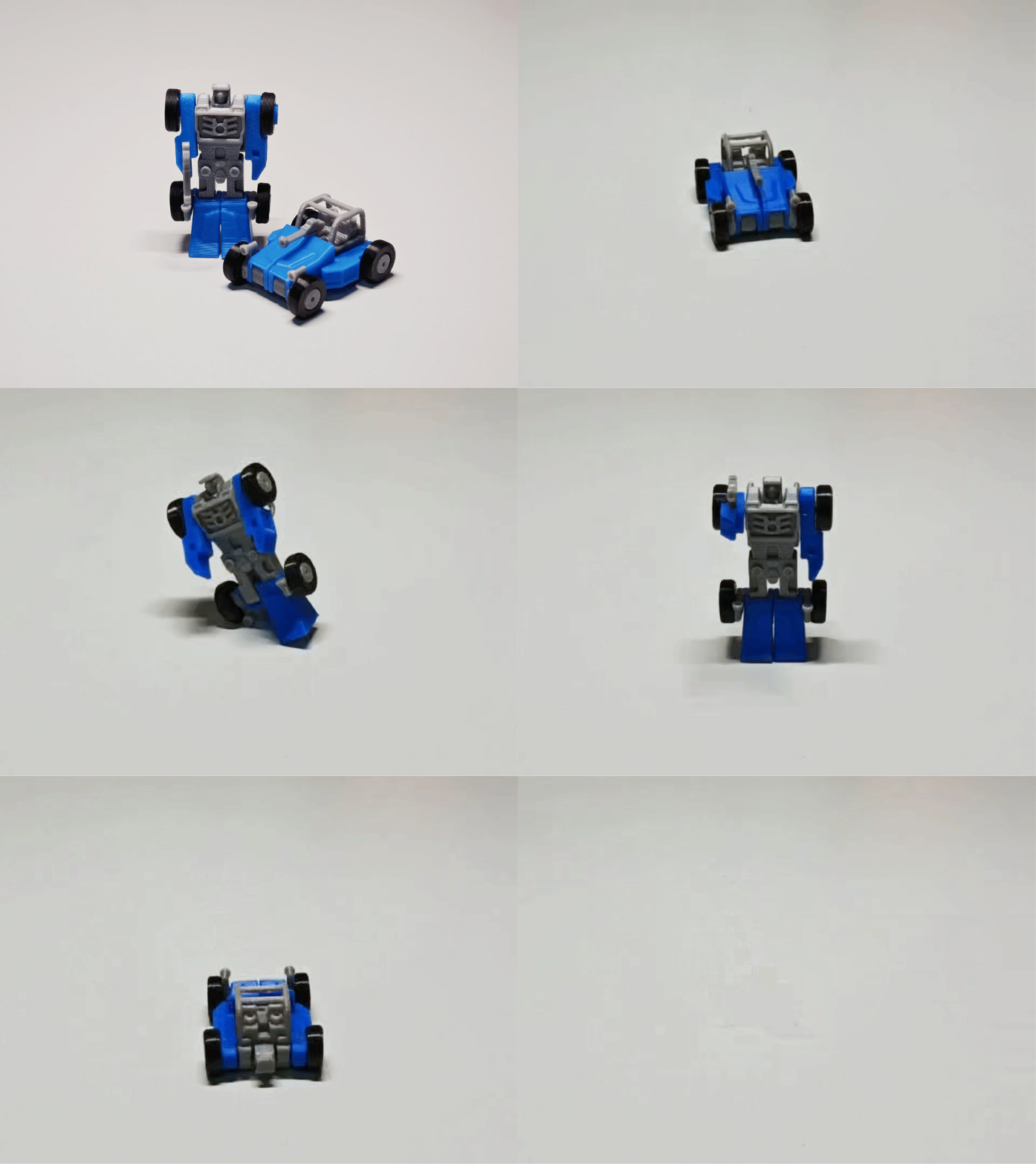

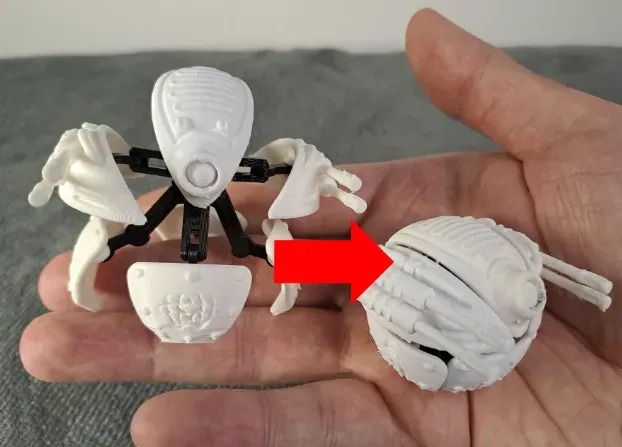
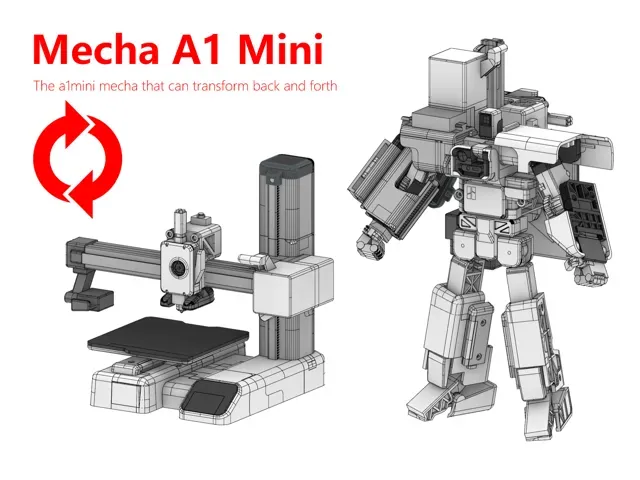
The reference shows several recurring types. Compact cube and sphere forms are usually small and built around a folding mechanism, while figures with a vehicle alternate mode are larger and closer to an action figure in proportion. Character-based models borrow their silhouette from existing robot designs, and keychain or fidget versions shrink the same idea to a pocket size.
When choosing, open the author's model page and read what is listed there: overall size and scale, how many parts the model has and how they join, whether supports are needed, and which material and settings the author used. Photos of real prints are the most useful part of the page, because they show how the joints and panels actually sit after assembly. Small hinges and pins are the places where clearances matter most, so check the recommended nozzle and layer height before slicing.
If the results feel too narrow, try related wording: foldable robot, print-in-place figure, convertible toy, mech, or the alternate mode you want, such as truck, jet or tank. Adding a size or printer-related term narrows the list further, and searching for the transformation type rather than a character name usually returns more mechanical designs.


The full catalog of topics — from home & household to CNC, searchable across the connected sources.