
Free 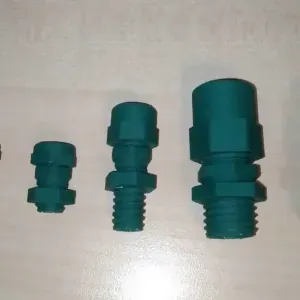
Cable Gland "D17-D24"
Creality Cloud
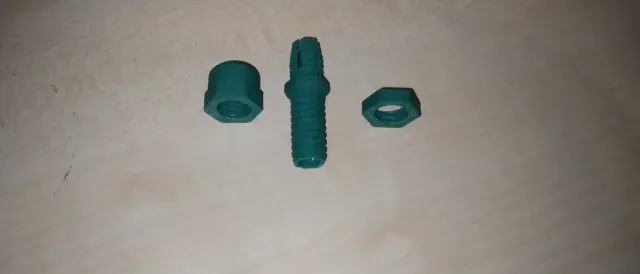
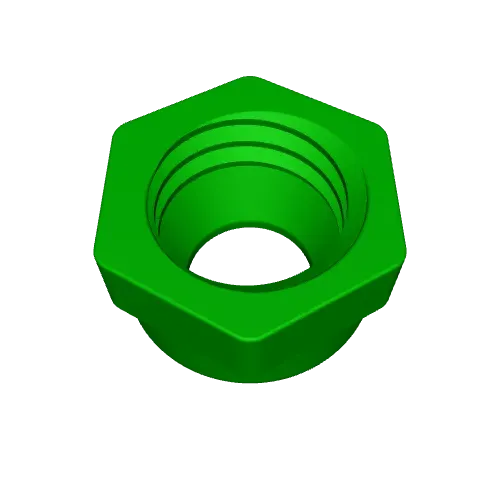
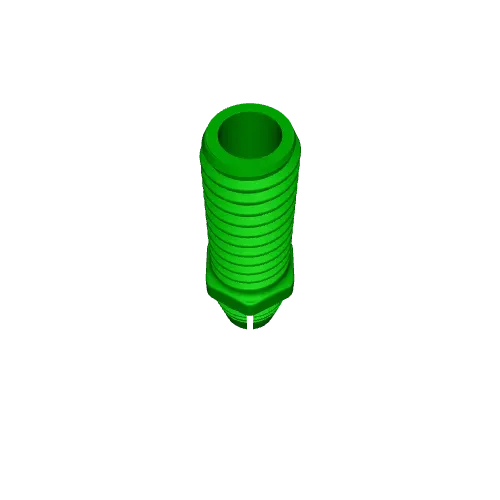
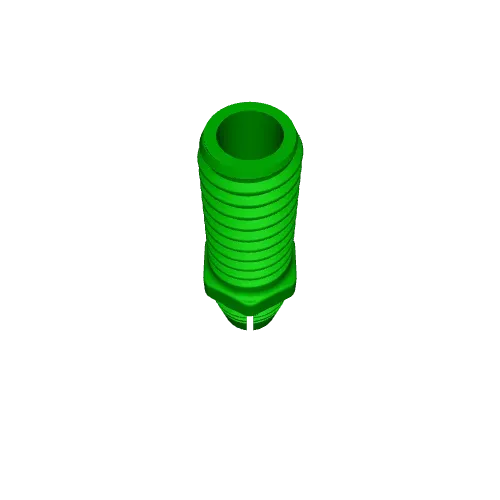
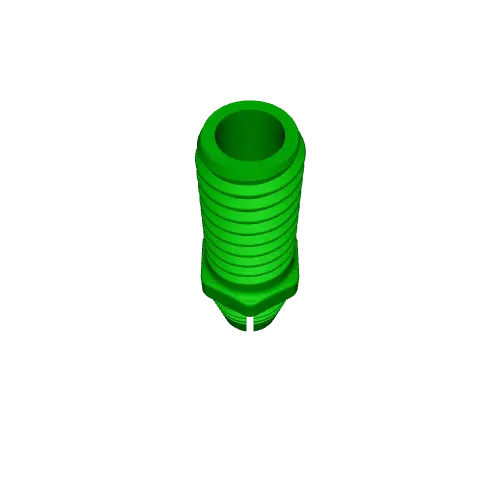
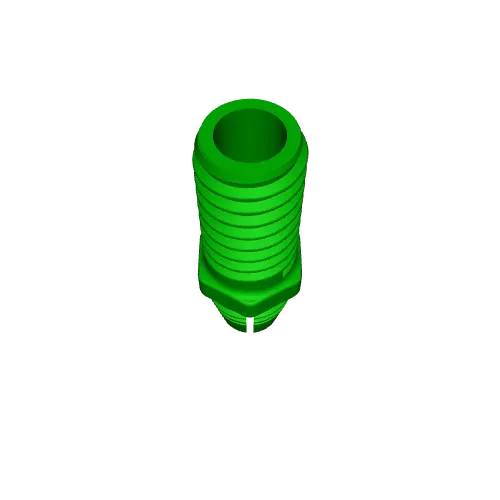
This is not my design. The original design is by 93djen on P*intables.
https://www.**********.com/model/114283-cable-gland-all-sizes
Parameters
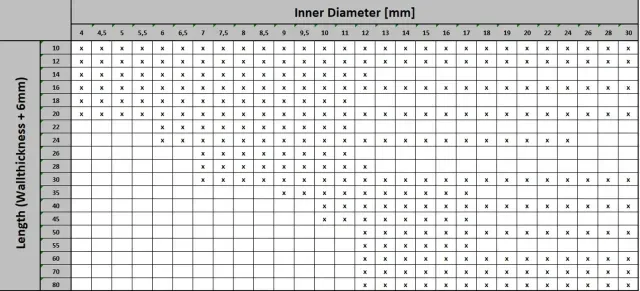
The D parameter in the name stands for the inner diameter. Measure your cables (or other parts) and decide on the correct diameter you need. The size reduction will vary depending on the D size. Larger glands can be reduced more than smaller ones. I have only tested a few sizes so far: D3.5 → 2.6mm; D5.5 → 4mm; D8 → 6.3mm; D18 → 14mm
The L parameter in the name stands for the length of the back thread, which will go through the wall or panel. Choose it based on your panel thickness minus 6mm (the nut is 5mm thick + 1mm for thread safety).
The hole diameter in your wall will always be D + 5mm. The thread is designed to always be 5mm larger than the bore. Printing:
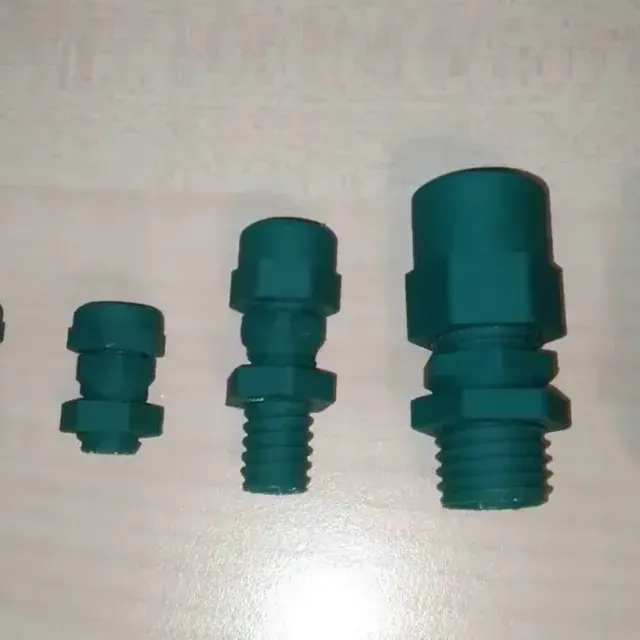
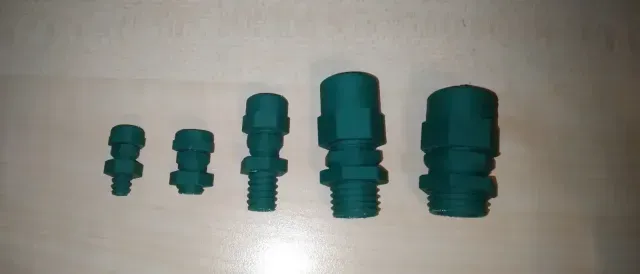
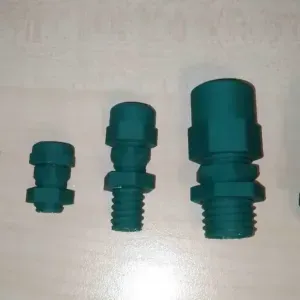
I haven't tested all models, but I printed a few of them and they work well for me. You can find the pictures attached.
Printing them is not always easy (especially the smaller diameters). The following settings worked well for me when using ABS and PETG:
Layer thickness 0.1-0.15 (bigger threads can also work nicely with 0.2-0.3) Extrusion width 0.42 (0.4mm nozzle since the walls are not that thick) 2-3 perimeters (at least 100% infill) 265°C hotend (for good layer adhesion with eSUN ABS+) 80-100% cooling fan speed and open enclosure (yes, even with ABS) to ensure that these small, thin parts are printed nicely. Warping, for example, shouldn't be an issue because the parts are too small and thin. Bed temp 80°C to ensure the thin parts cool down fast enough without deforming while still maintaining good adhesion. A raft for the middle part because it is quite tall and has almost no flat bottom surface.
Other materials will definitely work with some testing, but I haven't tried them yet. It would be great if you could share your results in the comments after printing.
EDIT: After some testing, PETG and Soft PLA work much better than ABS. Standard PLA and ABS are usually too brittle. My best results were with HIPS, as those parts are virtually unbreakable.


Names are used only to indicate the source of a result. Polyzon is not affiliated with the listed sites.