
Free 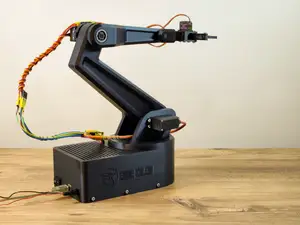
Robotic Arm with Servo & Arduino
MakerWorld
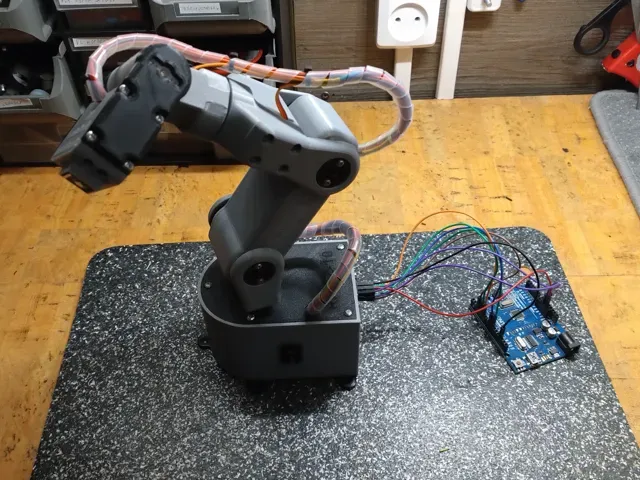
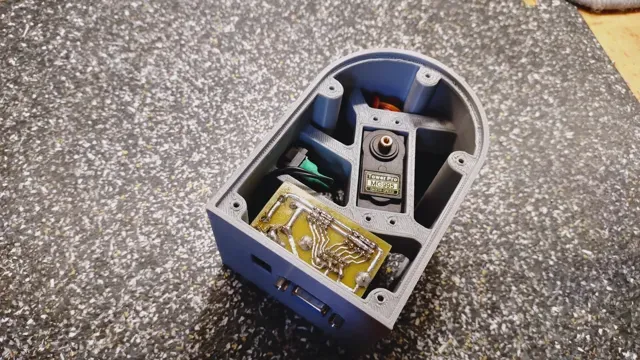
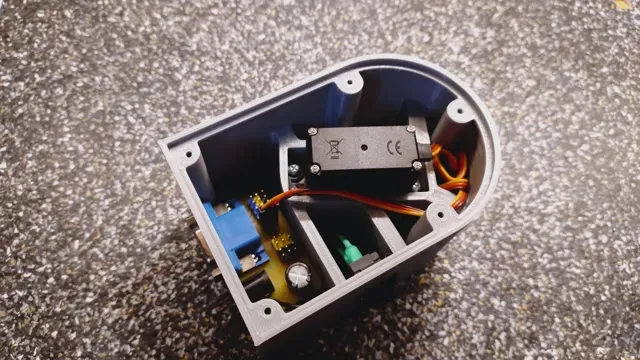
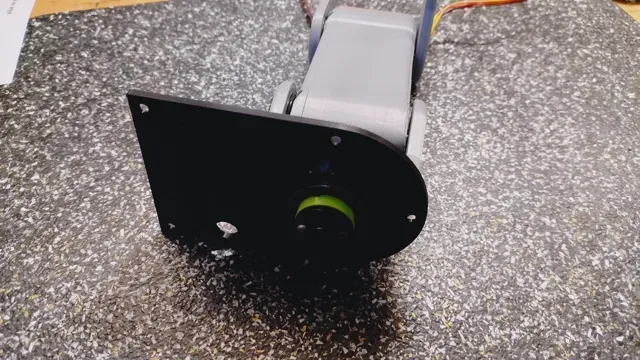
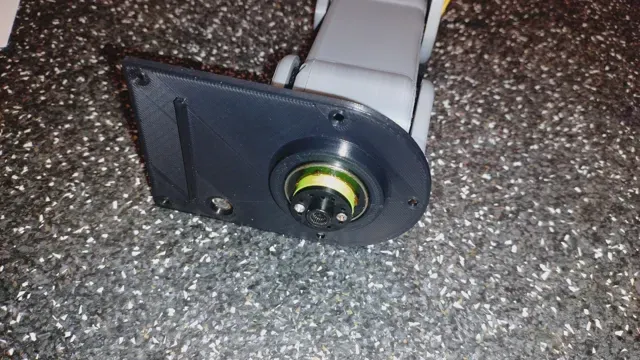
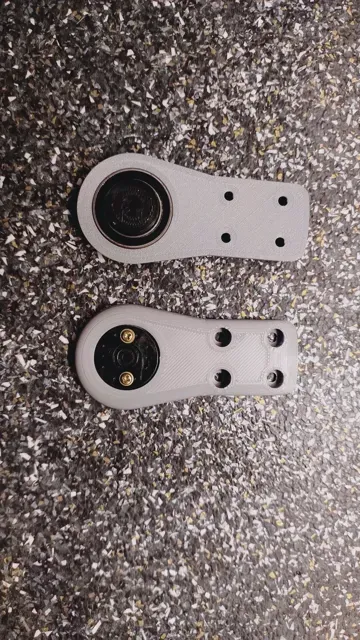
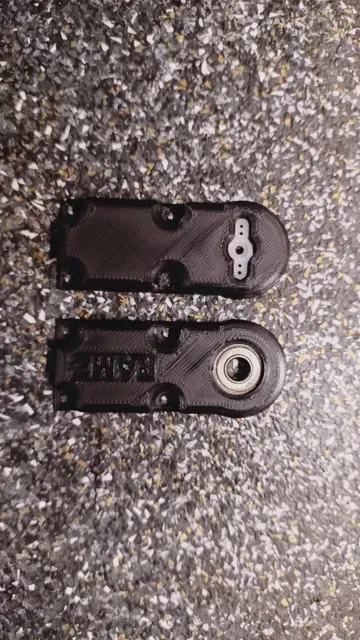
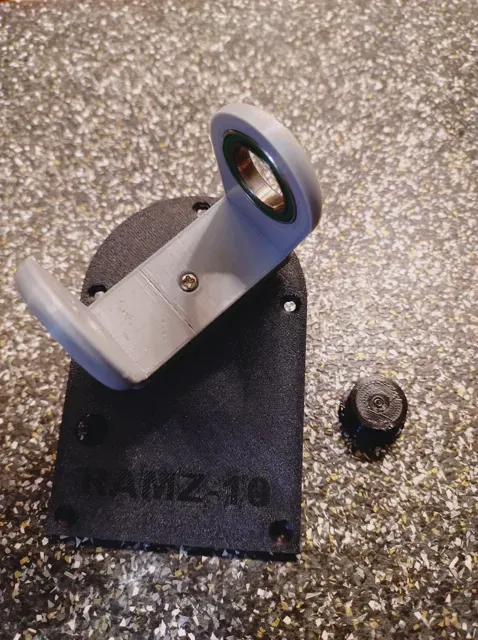
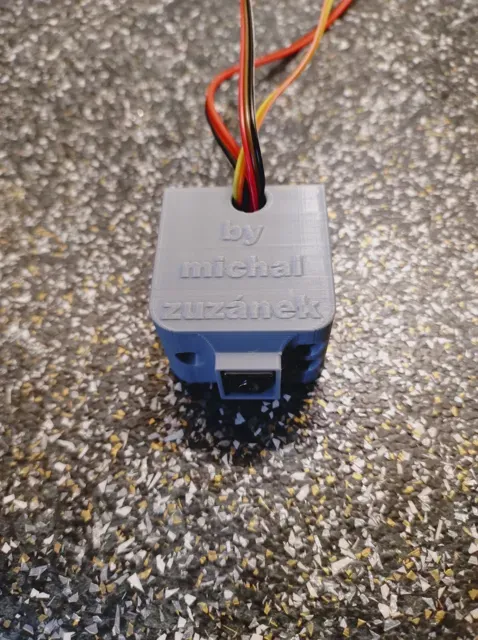
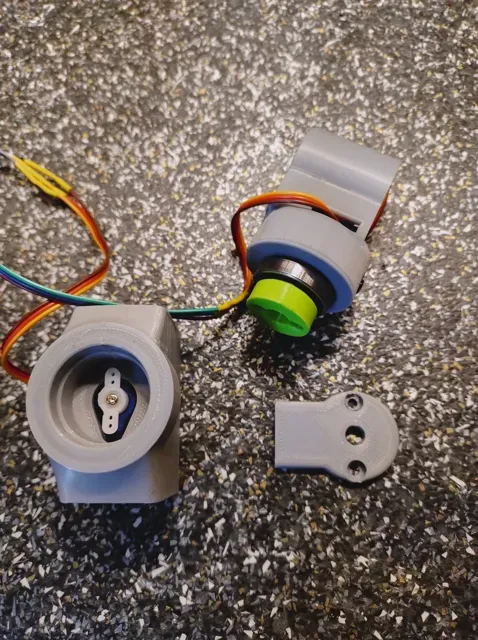
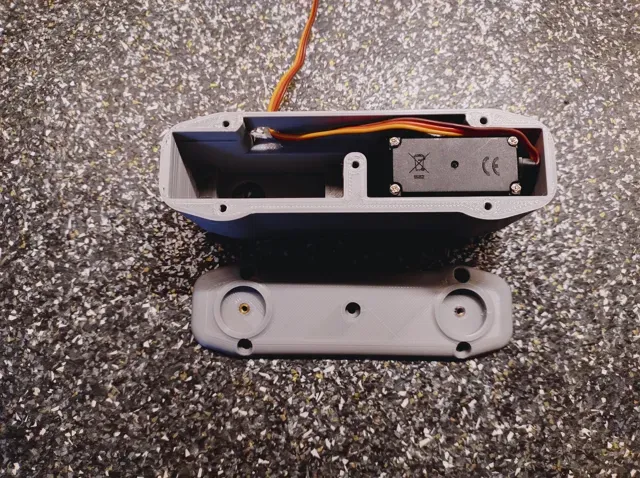
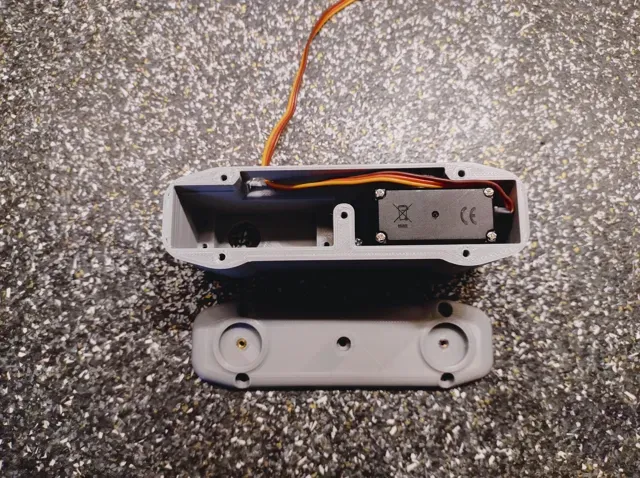
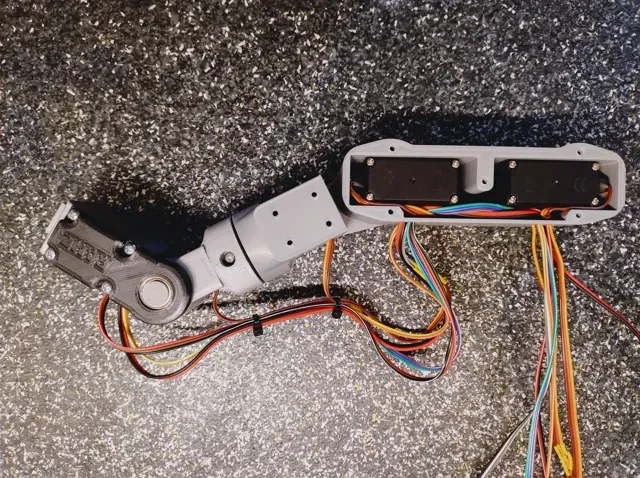
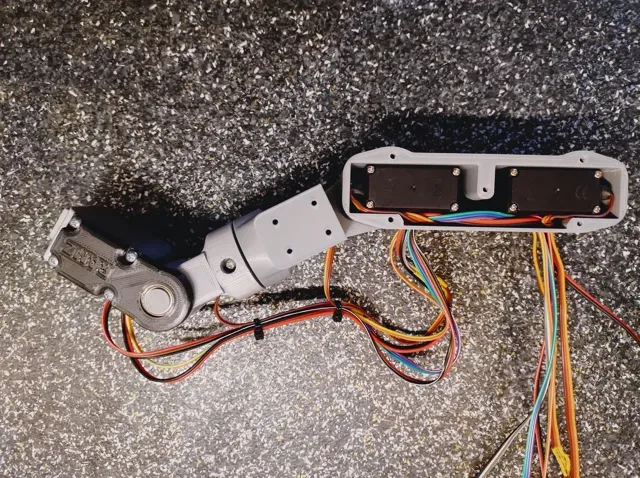
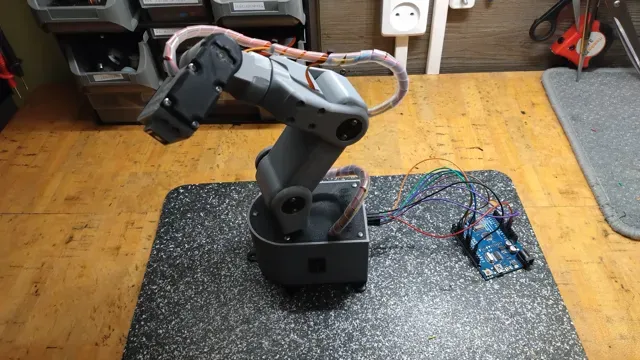
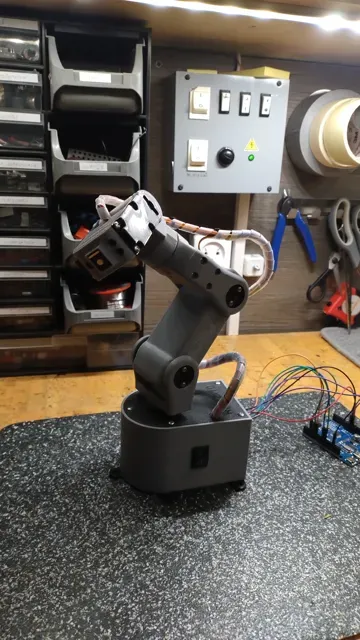
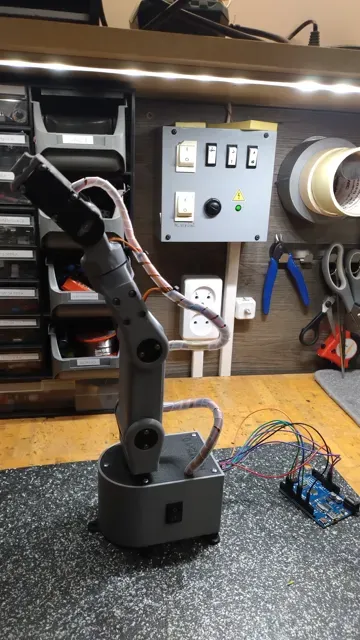
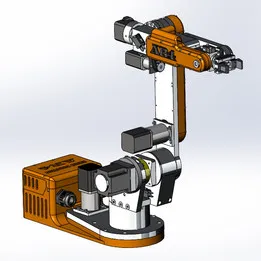
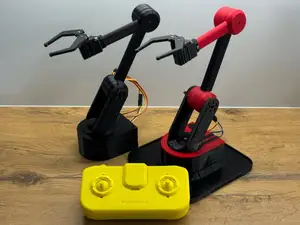
Build your own desktop industrial-style robotic arm! This fully 3D printed, multi-axis robotic arm is a fantastic DIY project for makers, students, and robotics enthusiasts. It is designed to be sturdy, easy to assemble, and fully compatible with the Arduino ecosystem.
The design features a stable base enclosure that houses the main wiring and a dedicated power switch. A standout feature of this build is the clean cable management, utilizing a spiral cable wrap to guide the servo wires safely along the articulated joints without tangling.
Key Features:
- Multi-Axis Articulation: Features base rotation, shoulder, elbow, and wrist movements for full range of motion. - Smart Base Design: The robust base includes a textured top plate, mounting points for a standard rocker switch, and plenty of room to hide wiring. - Clean Wire Management: Designed to allow easy routing of servo cables using standard spiral wrapping for a professional look. - Arduino Ready: Perfectly pairs with an Arduino. Required Hardware (BOM):
- Standard Servos (e.g., MG996R or similar, based on the joint sizes) - Arduino Uno - Standard rectangular rocker switch - Spiral cable wrap (for wire management) - Jumper wires - Assorted M3 screws and nuts for assembly - External power supply (recommended for powering multiple servos safely) Enjoy building and programming your new robot! Please leave a like and share your makes!
0.2mm layer, 6 walls, 25% infill - Layer Height: 0.2 mm - Infill: 20–30% (Gyroid or Cubic for rigid structural parts) - Walls/Perimeters: 3–4 walls to ensure the joints and mounting points can handle the torque of the servos. - Supports: Required for overhangs on the arm segments and servo mounting holes. - Material: PETG or ABS/ASA is highly recommended for mechanical strength, though high-quality PLA can also work for light-duty tasks.






Names are used only to indicate the source of a result. Polyzon is not affiliated with the listed sites.