Gratis 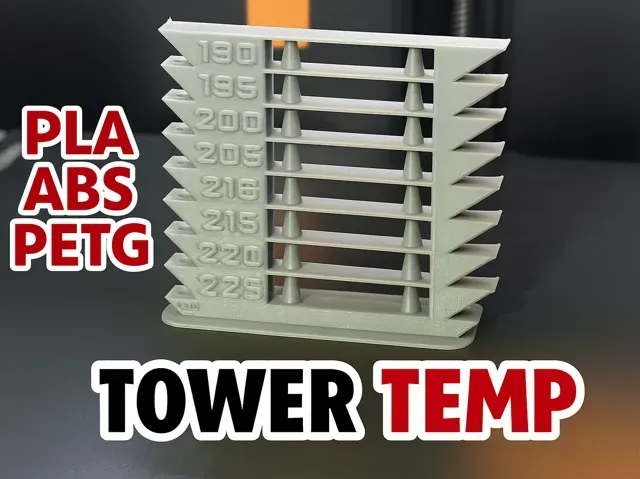
Tower Temp / Temperature Tower Test -PLA-ABS-PETG
MakerWorld
This collection gathers STL files that come up when you work with ABS on a 3D printer: temperature towers, calibration shapes, slicer profiles and small filament accessories. Many entries are test pieces rather than finished objects, which makes them handy when you change material, nozzle or machine. A number of them cover ABS alongside ASA, PLA, PETG or TPU, so one shape can be compared across several materials. Polyzon does not confirm whether models are free, their price, license, official status, affiliation, safety or fitness. Check the current terms at the source.
Esta colección está escrita en inglés, pero la búsqueda funciona en cualquier idioma.
 Una colección de Polyzon · 48 modelos de 5 plataformas
Polyzon reúne esta colección a partir de los resultados de búsqueda de las plataformas conectadas. Se eliminan los duplicados y los modelos sin vista previa, las coincidencias débiles van al final y el resto mantiene el orden de la búsqueda. Los modelos pertenecen a sus autores: consulta las condiciones en la página de cada modelo.
Criterios de selección: el equipo editorial de Polyzon · Texto actualizado el 15/10/2026
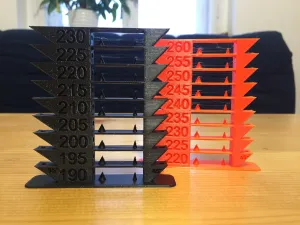


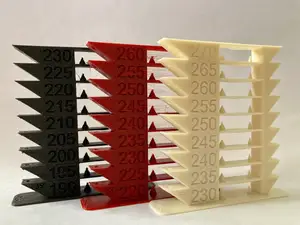
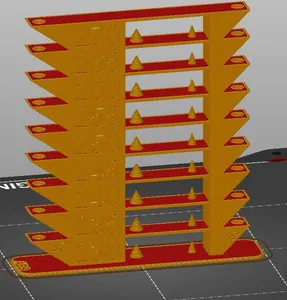


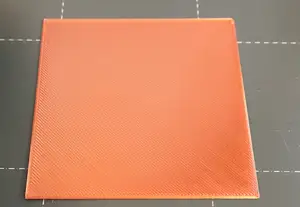
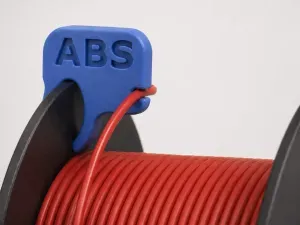

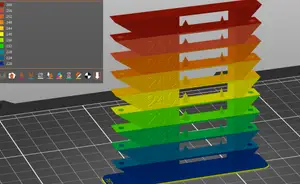
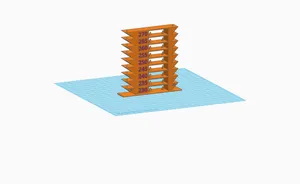
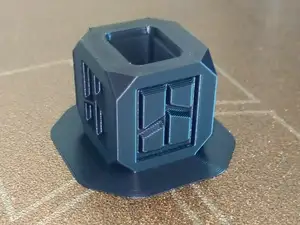


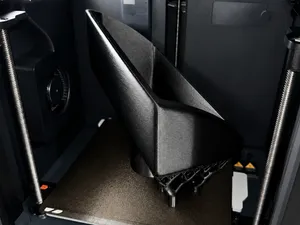

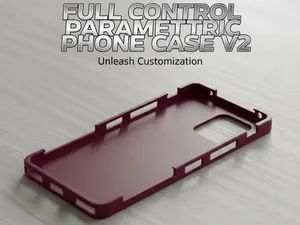
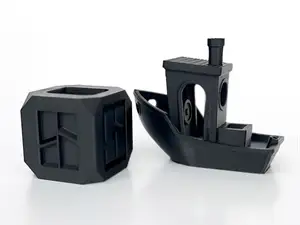

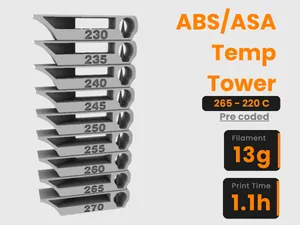

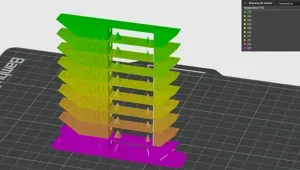



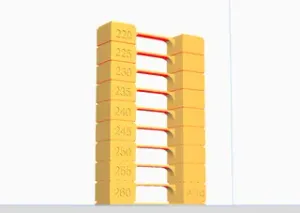
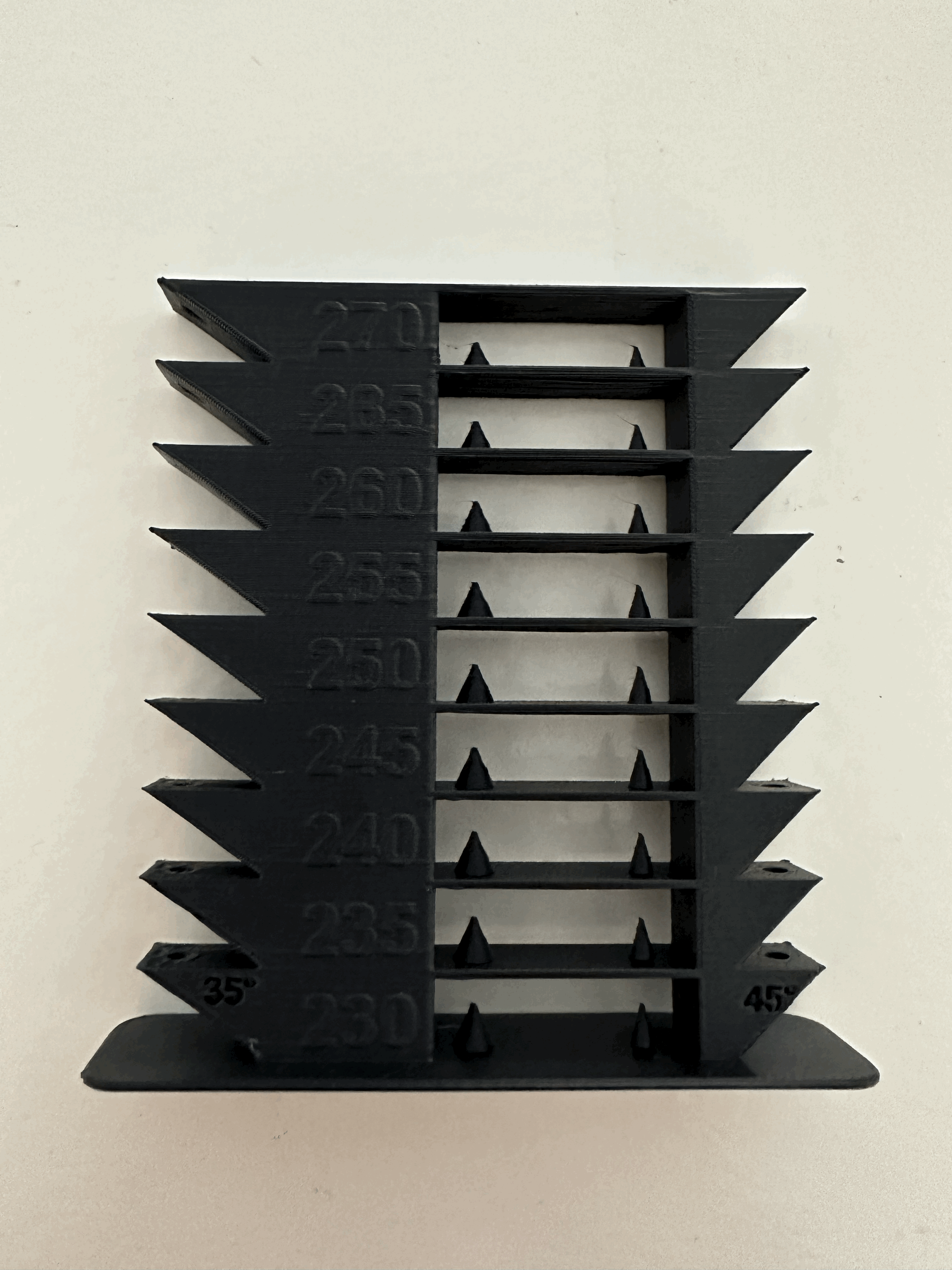
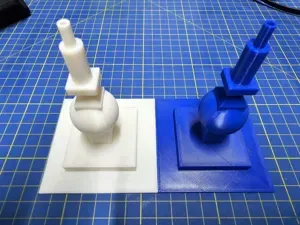

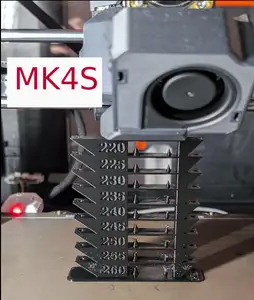

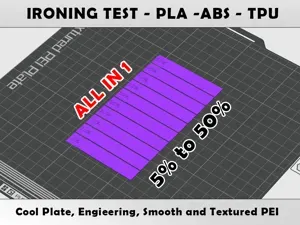
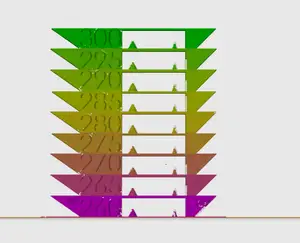


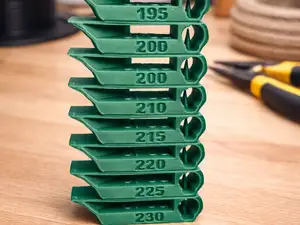

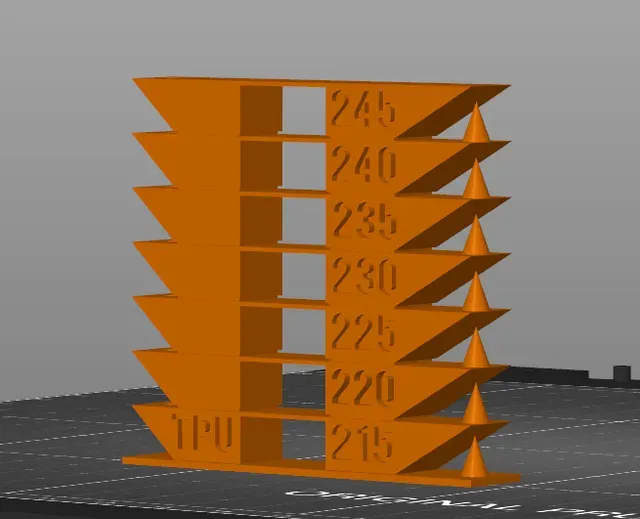
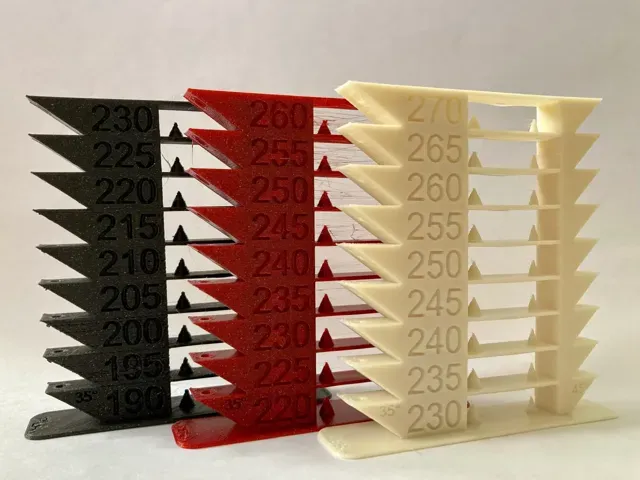
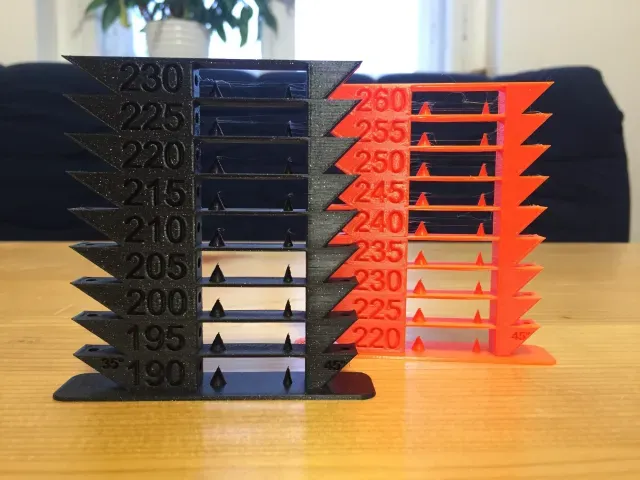
Temperature towers form the largest group: a single shape divided into stacked sections, each printed at a different temperature, so you can see where surface quality and layer bonding change. Calibration prints are flatter and focus on first-layer squish, corners or extrusion consistency. Profile files work differently, since they are settings presets you load into a slicer rather than geometry, and they usually state the machine and material they were tuned on.
On the author's page, check the temperature range a tower covers and whether it matches the ABS you have, because blends differ. Look at the number of parts, the scale and whether supports are needed; flat test shapes rarely call for them, while clips and holders may. Read the material and settings the author lists, and study photos of real prints to judge how the surface turned out.
To widen the results, search for the material on its own or together with your printer model, and try related terms such as ASA, temperature test, first layer, flow or retraction. Profiles are often described as presets, settings or slicer configuration, while physical tests appear as towers, coupons or calibration shapes. Pairing a material name with a machine name usually narrows the list quickly.
ABS tends to warp when cooling air reaches it, so many of these tests are printed in an enclosed space, and the settings that work there may differ from an open frame. If a profile was tuned on another machine, treat it as a starting point and adjust temperatures and cooling for your own setup. Running one small test before a large part saves filament and time.


El catálogo completo de temáticas, del hogar al CNC, con búsqueda en todas las plataformas conectadas.