Gratis 
Ball-joint articulated octopus
Thingiverse
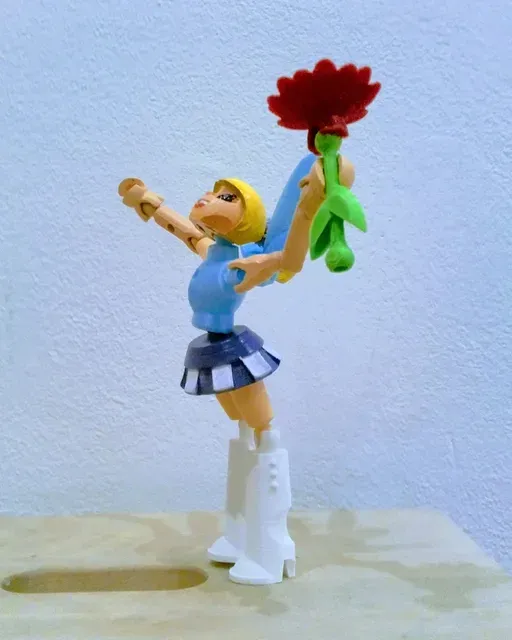
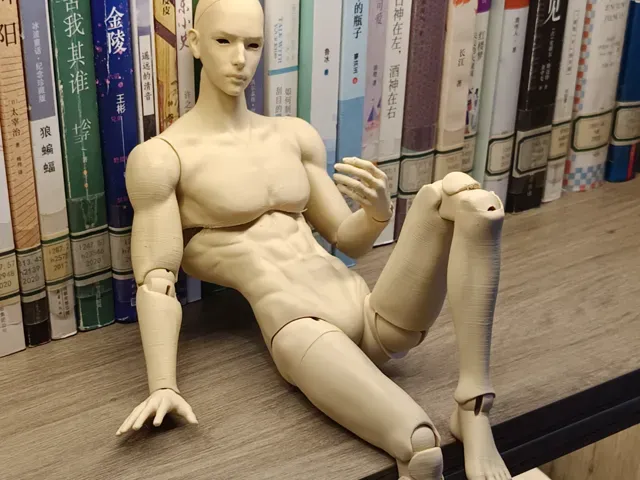
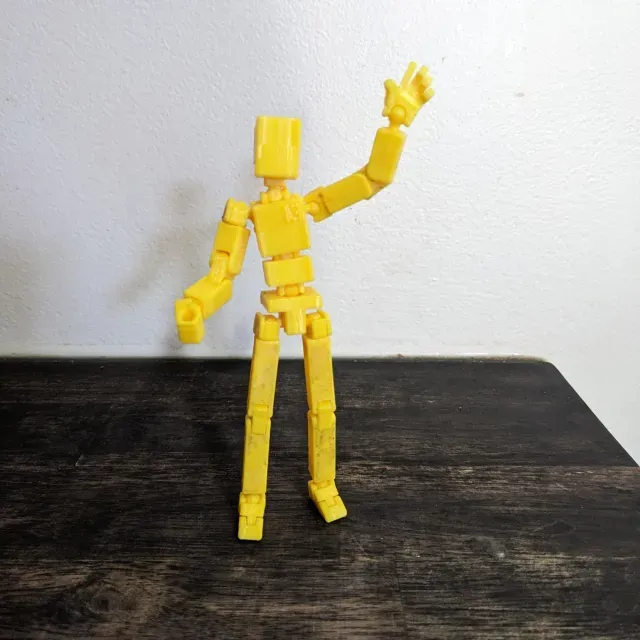
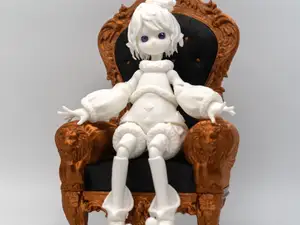
This collection gathers 3D models built around ball-and-socket joints: dolls, animal figures, pose mannequins and the small parts that hold them together. Most are meant for 3D printing on a desktop 3D printer, and many are split into separate pieces so the joints can move after assembly. It is a useful starting point if you want an articulated figure rather than a static STL. Polyzon does not confirm whether models are free, their price, license, official status, affiliation, safety or fitness. Check the current terms at the source.
Esta colección está escrita en inglés, pero la búsqueda funciona en cualquier idioma.
 Una colección de Polyzon · 45 modelos de 4 plataformas
Polyzon reúne esta colección a partir de los resultados de búsqueda de las plataformas conectadas. Se eliminan los duplicados y los modelos sin vista previa, las coincidencias débiles van al final y el resto mantiene el orden de la búsqueda. Los modelos pertenecen a sus autores: consulta las condiciones en la página de cada modelo.
Criterios de selección: el equipo editorial de Polyzon · Texto actualizado el 14/10/2026
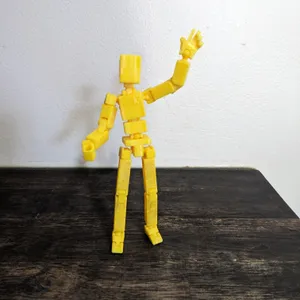


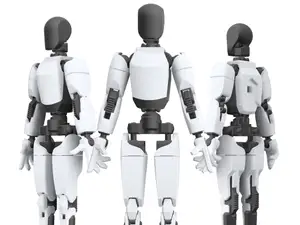
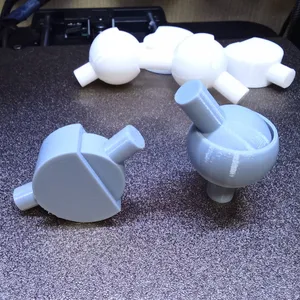

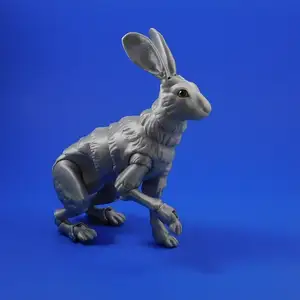
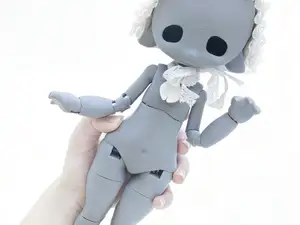
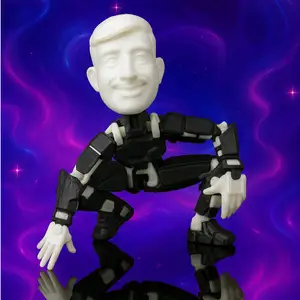


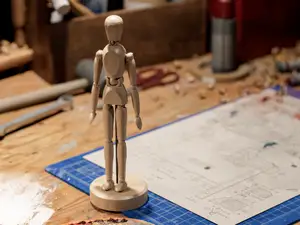
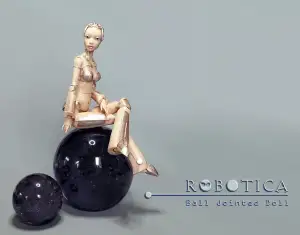

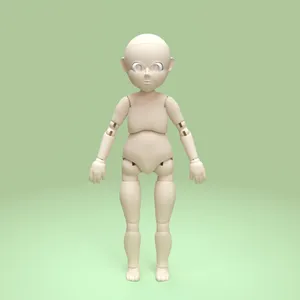
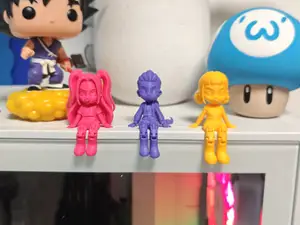
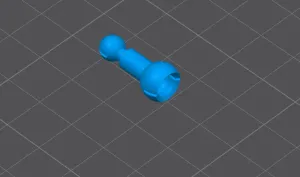


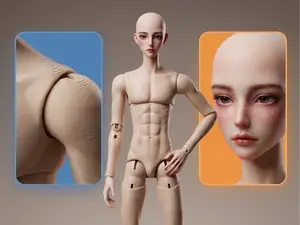
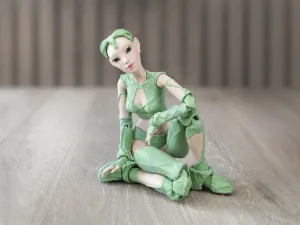


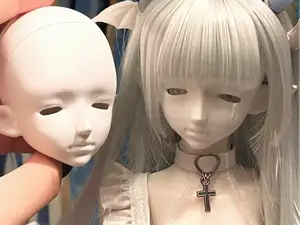
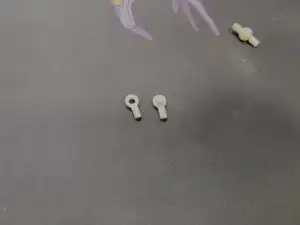
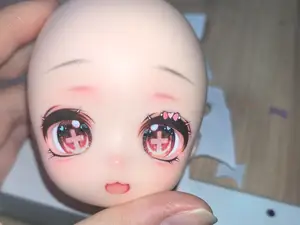
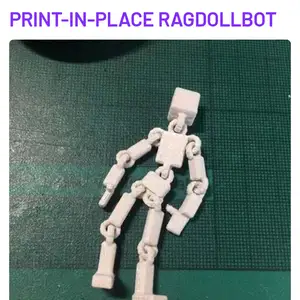

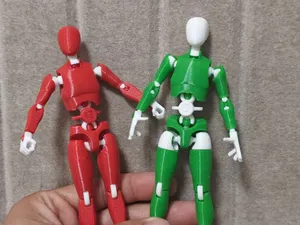
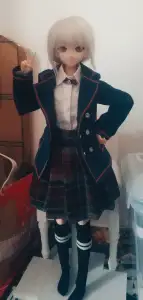

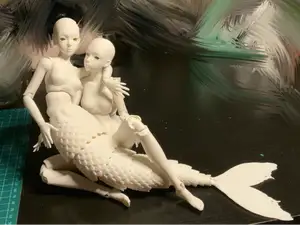
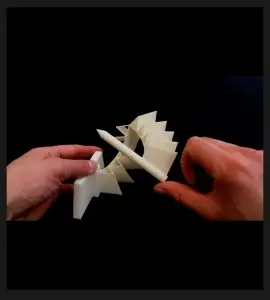
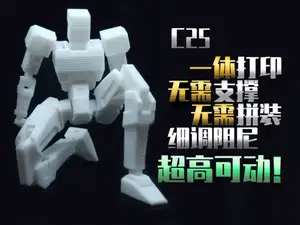
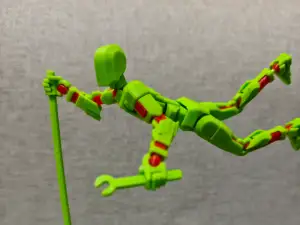

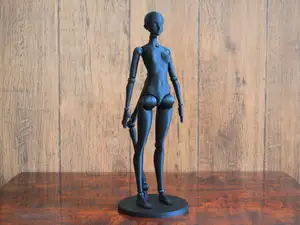

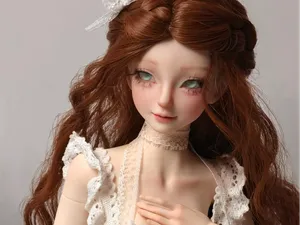
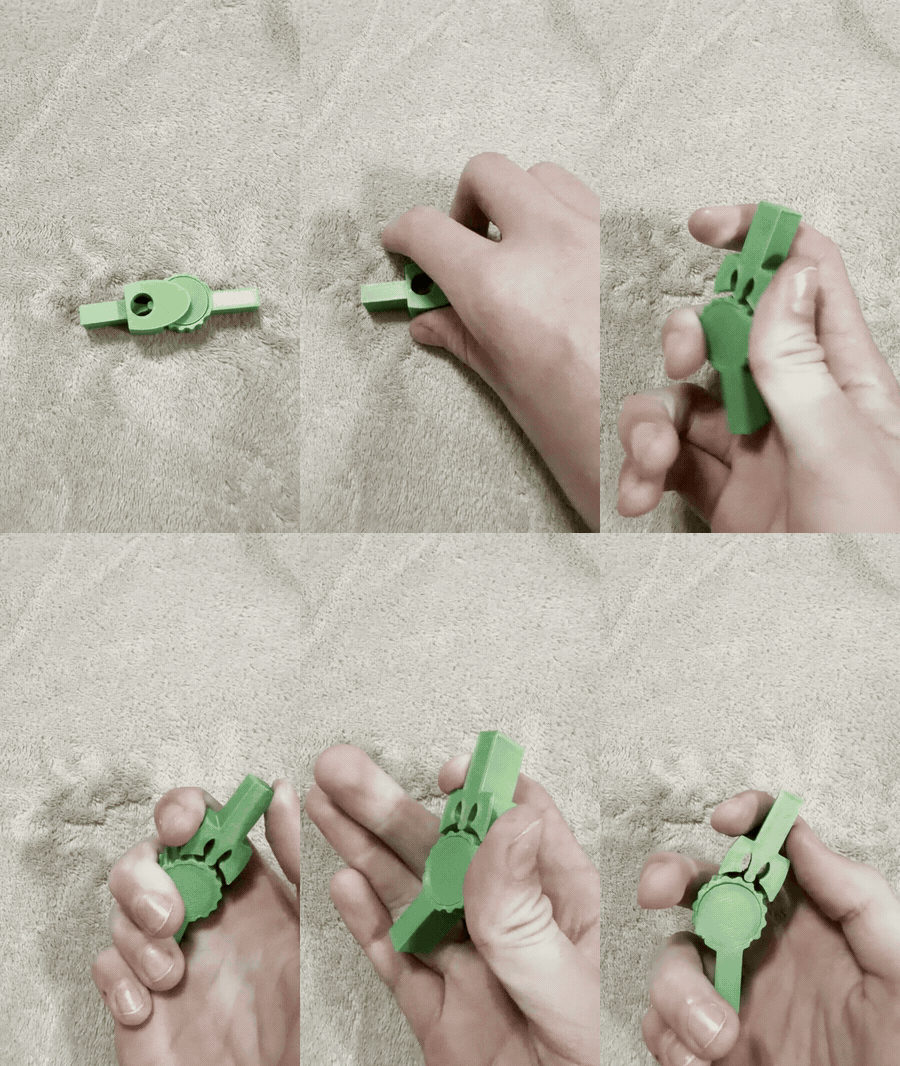

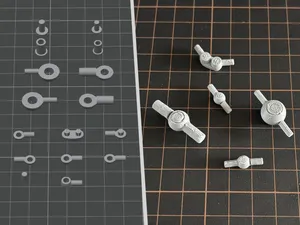
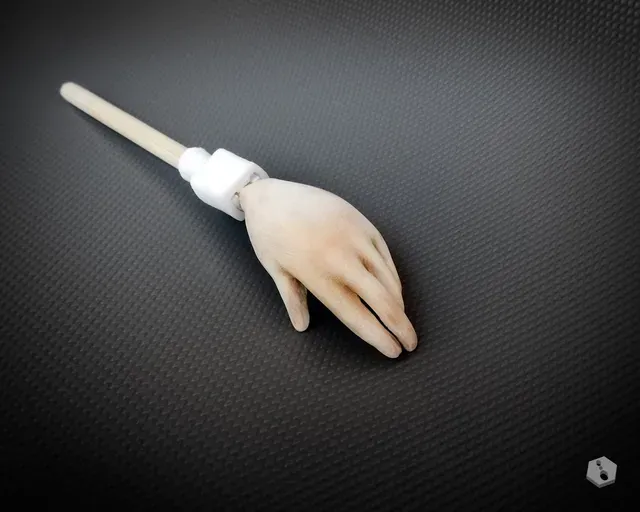
The models fall into a few rough groups. Animal figures use the same joint logic as dolls but with a simpler body plan, while humanoid dolls follow a head, torso, arms and legs structure with more visible articulation. Separate kits cover single joints, pins and connectors for people building or repairing a figure, and a smaller group is made of test pieces used to check how a joint fits before committing to a full body.
When choosing a model, look at how the author describes the scale and the joint clearances, since a doll printed too small or too large can end up either stiff or loose. Check how many pieces are involved, whether the parts are meant to be glued or snapped together, and whether the author lists supports, material and print settings. Photos of assembled prints on the model page usually tell you more about the final look than a render does.
If the results feel narrow, try related wording: articulated figure, jointed doll, ball-and-socket joint, pose mannequin, or the names of the animal or character type you have in mind. Searching for a single joint or connector often surfaces parts that fit several figures. You can also combine a body-part term with the printing method, or look at collections for miniatures, toys and cosplay, where articulated models tend to appear.



El catálogo completo de temáticas, del hogar al CNC, con búsqueda en todas las plataformas conectadas.