
Gratis 
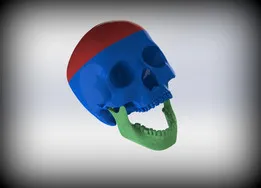
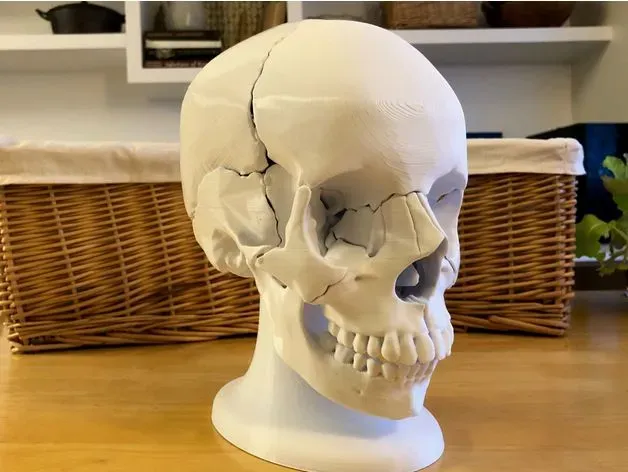
Full Size Anatomically-Correct 18-Piece Magnetic Human Skull Model
Thingiverse
This collection gathers skull 3D models of several kinds: anatomical human skulls, animal and bird skulls, sectioned display pieces and stylized designs. It is useful when you need a reference shape for study, a prop or a decorative object to print on a 3D printer. Most entries are STL files that differ mainly in part count, scale and how the jaw and teeth are handled. Polyzon does not confirm whether models are free, their price, license, official status, affiliation, safety or fitness. Check the current terms at the source.
Esta colección está escrita en inglés, pero la búsqueda funciona en cualquier idioma.
 Una colección de Polyzon · 48 modelos de 8 plataformas
Polyzon reúne esta colección a partir de los resultados de búsqueda de las plataformas conectadas. Se eliminan los duplicados y los modelos sin vista previa, las coincidencias débiles van al final y el resto mantiene el orden de la búsqueda. Los modelos pertenecen a sus autores: consulta las condiciones en la página de cada modelo.
Criterios de selección: el equipo editorial de Polyzon · Texto actualizado el 10/10/2026


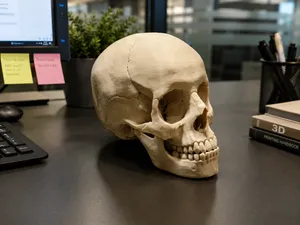
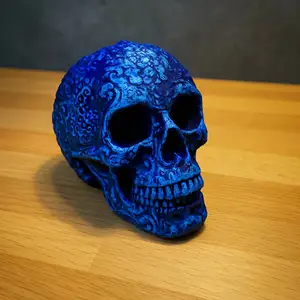


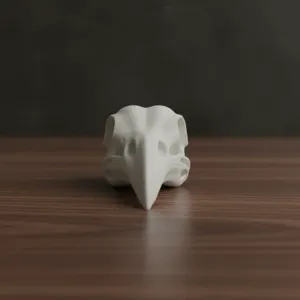

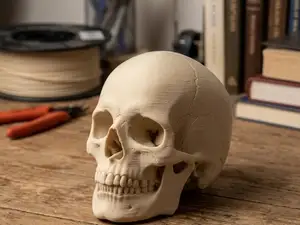


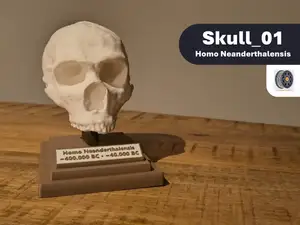
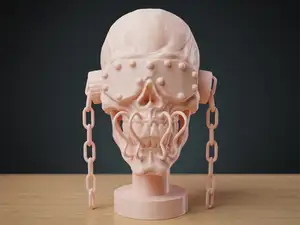

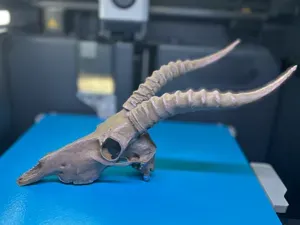
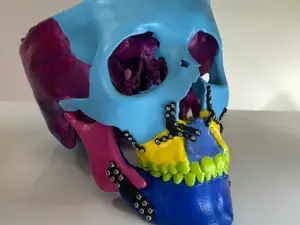
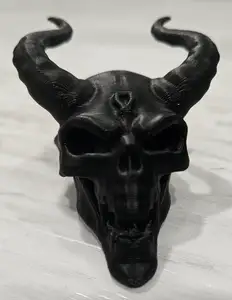


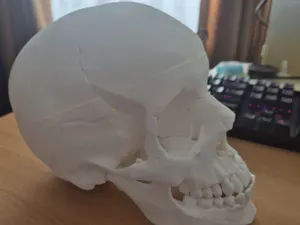
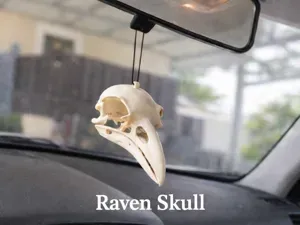
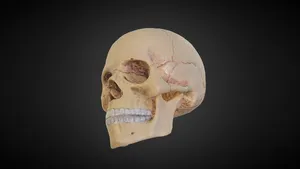


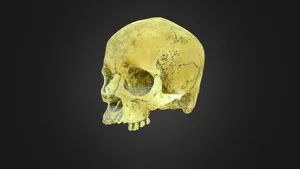
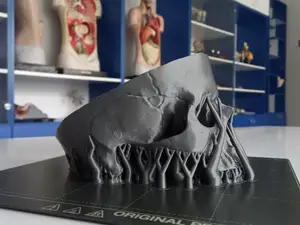
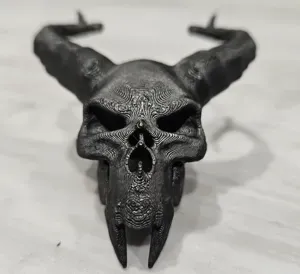



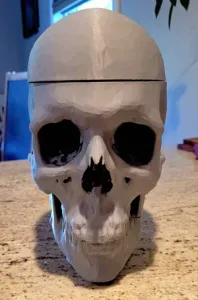
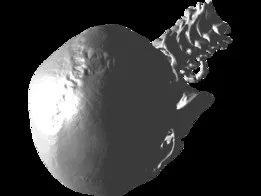

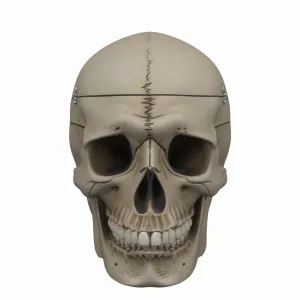
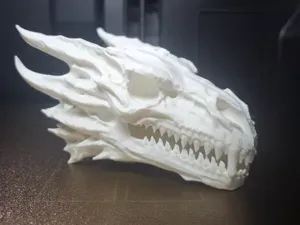
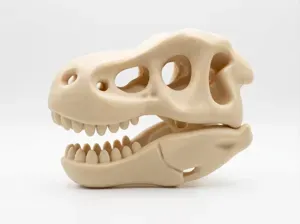


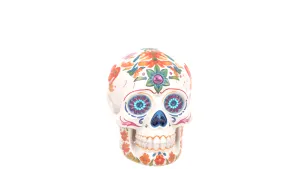
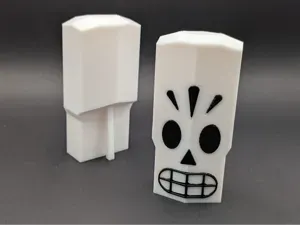
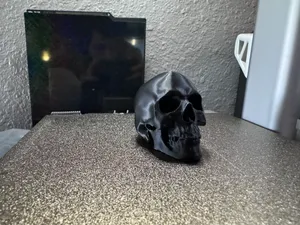
Anatomical human skulls are usually the most detailed group. Some are split into a few large parts, others into many pieces that join with magnets or pins, and some are derived from scan data with a separate mandible and individual teeth. Animal and bird skulls follow the same logic but with different proportions, while stylized and character skulls trade anatomical accuracy for a stronger silhouette and simpler geometry.
Before printing, open the author's page and check the stated size and scale, the number of parts and how they assemble, and whether the model needs supports. Look at the material and settings the author lists, since thin bone walls and small teeth behave differently in resin and in filament. Photos of real prints are the quickest way to judge how a model comes out at a given scale.
If the results feel too narrow, try related terms: cranium, mandible, jaw, teeth, skeleton, anatomy, bird skull, animal skull, or the name of a species. Words like replica, prop, scan or puzzle often lead to different versions of the same subject. Combining a subject with a use, such as study, display or costume, also shifts what the search returns.


El catálogo completo de temáticas, del hogar al CNC, con búsqueda en todas las plataformas conectadas.