
Gratis 
Mechanic clock MK2
Thingiverse
This collection gathers 3D models built around clock mechanisms: wall clocks with visible gear trains, escapement-driven movements, cuckoo-style designs and small clockwork spinners. Most of them are made for 3D printing, and many include STL files plus the author's notes on assembly. It is a useful starting point if you want a working movement rather than a static shell. Polyzon does not confirm whether models are free, their price, license, official status, affiliation, safety or fitness. Check the current terms at the source.
Esta colección está escrita en inglés, pero la búsqueda funciona en cualquier idioma.
 Una colección de Polyzon · 47 modelos de 4 plataformas
Polyzon reúne esta colección a partir de los resultados de búsqueda de las plataformas conectadas. Se eliminan los duplicados y los modelos sin vista previa, las coincidencias débiles van al final y el resto mantiene el orden de la búsqueda. Los modelos pertenecen a sus autores: consulta las condiciones en la página de cada modelo.
Criterios de selección: el equipo editorial de Polyzon · Texto actualizado el 14/10/2026
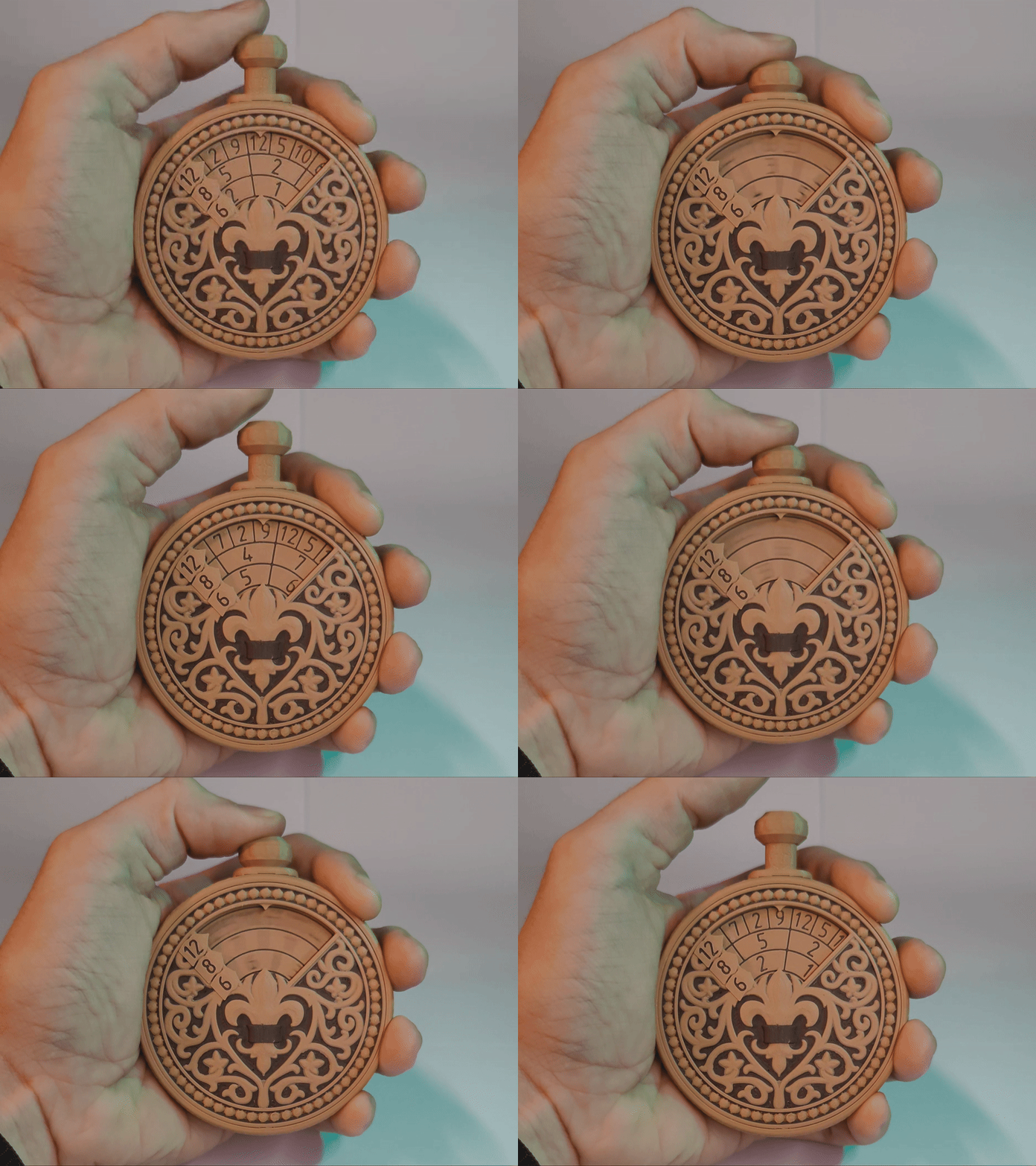




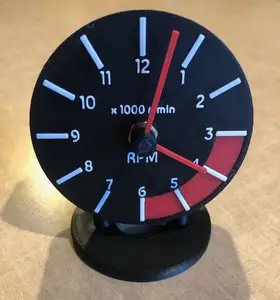


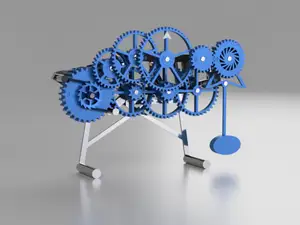



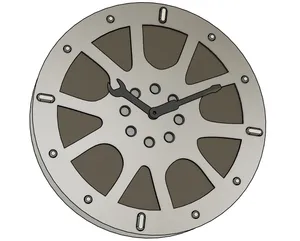



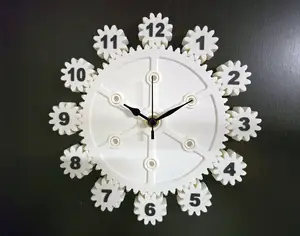


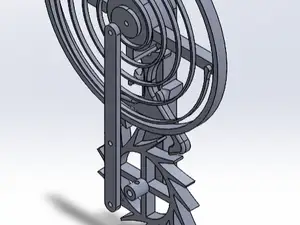






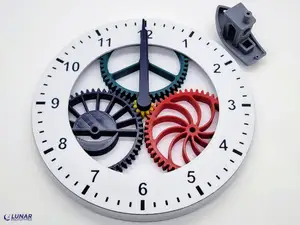
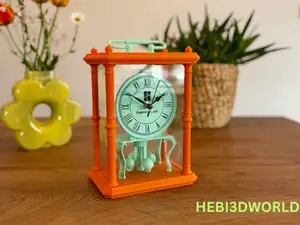







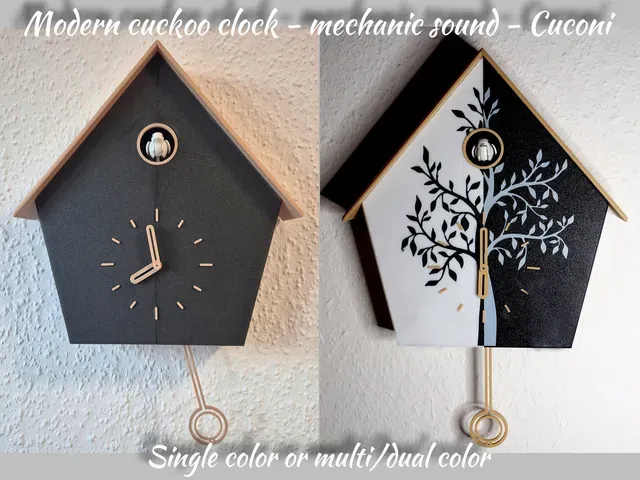
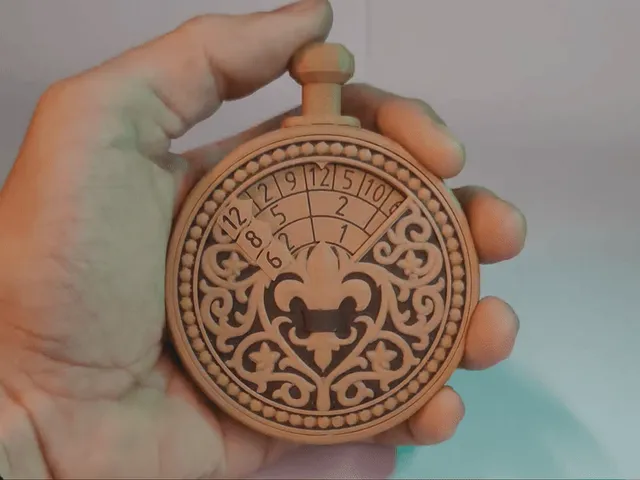
The designs differ mainly in how the movement is built. Some rely on an anchor escapement and a pendulum, others use a printed gear train behind an open frame, and a few imitate a digital readout with rotating segments. Cuckoo-style models add a sound element, while the smallest entries are clickers and spinners that use the same gear-and-pawl idea in a hand-sized form.
Before printing, read the model page for the number of parts and how the axles are handled: some designs use printed shafts, others expect rods, screws or bearings. Check the stated size and scale, whether supports are needed, and the material and settings the author lists. Photos of real prints are the quickest way to judge tolerances and how the assembled movement looks.
Search results widen quickly if you try related wording. Terms such as clockwork, horology, escapement, gear train, pendulum, tourbillon and movement bring up neighbouring designs, and so do broader queries like kinetic sculpture, fidget mechanism or desk ornament. Combining a mechanism word with a format word, for example wall clock or table clock, keeps the list focused.
Printed clocks are assembled by hand, so the result depends on how cleanly the parts come off the plate and how carefully the pivots are fitted. A model with fewer parts is easier to troubleshoot, while a complex one rewards patience during alignment. If a design does not run as expected, the author's page and its comment section usually describe the adjustments other builders made.



El catálogo completo de temáticas, del hogar al CNC, con búsqueda en todas las plataformas conectadas.