
Gratis 
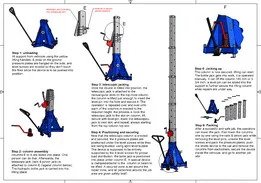
Double column car lift
GrabCAD
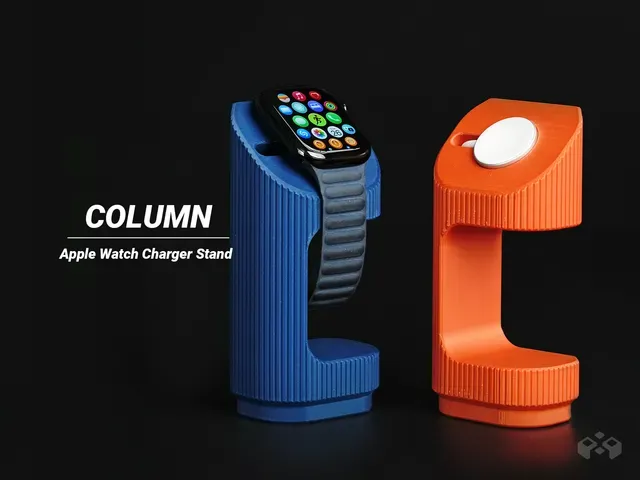
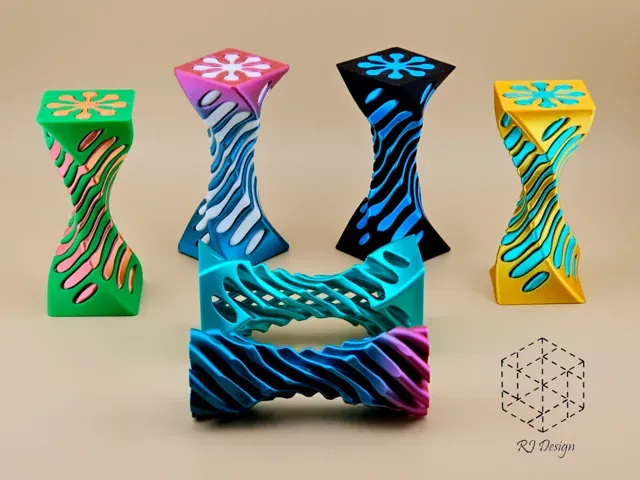
This collection gathers column-shaped 3D models: classical pillars used as podiums, planters and vases, small stands for devices, and scenery pieces for tabletop games. Most of them are simple enough for a first 3D printing project, while the larger architectural and mechanical versions ask for more planning. Browsing the list helps you see how one basic form is adapted to very different jobs. Polyzon does not confirm whether models are free, their price, license, official status, affiliation, safety or fitness. Check the current terms at the source.
Esta colección está escrita en inglés, pero la búsqueda funciona en cualquier idioma.
 Una colección de Polyzon · 46 modelos de 7 plataformas
Polyzon reúne esta colección a partir de los resultados de búsqueda de las plataformas conectadas. Se eliminan los duplicados y los modelos sin vista previa, las coincidencias débiles van al final y el resto mantiene el orden de la búsqueda. Los modelos pertenecen a sus autores: consulta las condiciones en la página de cada modelo.
Criterios de selección: el equipo editorial de Polyzon · Texto actualizado el 15/10/2026

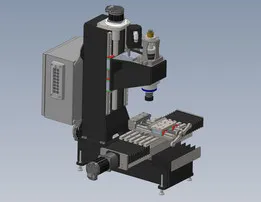

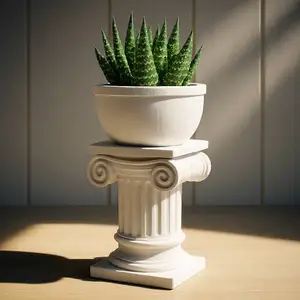




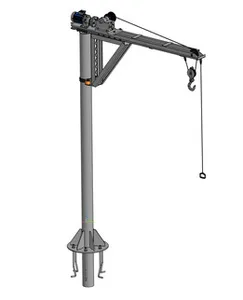
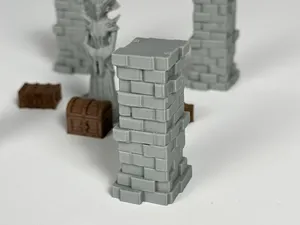



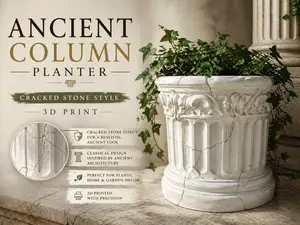
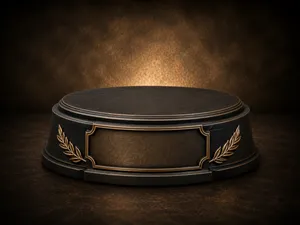

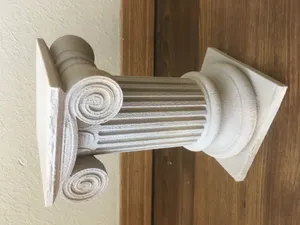

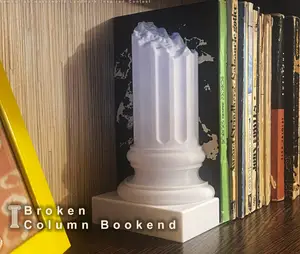
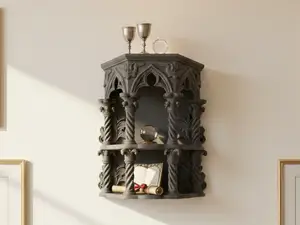

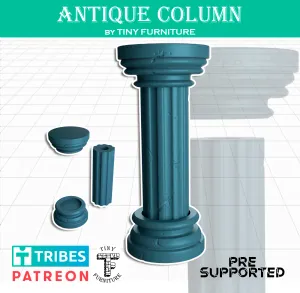
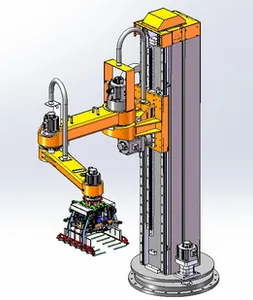


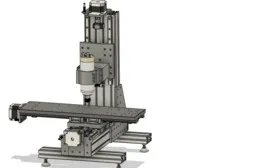
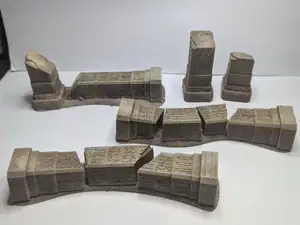


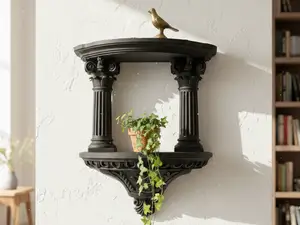

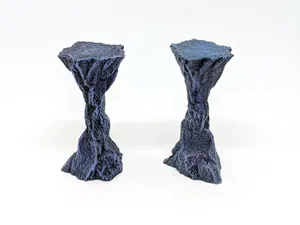


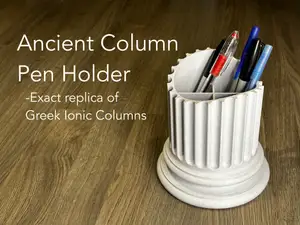


The classical group covers Ionic, Doric and plain Roman pillars, often offered in several sizes and used as podiums for small objects, egg holders or decorative stands. Planters and vases follow the same silhouette but are hollow, and some are drawn for vase mode, which changes both the wall thickness and the way the model behaves when scaled. Terrain columns are shorter and chunkier, made to sit on a game board rather than to hold anything.
When choosing, open the author's model page and read the size and scale first, since a column that looks small in a photo can be tall once printed. Check the number of parts and whether they join with glue, pins or threads, whether supports are needed, and which material and settings the author lists. For planters, look at wall thickness and whether the inside is watertight; for stands, look at the base footprint and how the top surface meets the object it carries. Photos of real prints show more about surface texture and layer lines than renders do.
If the results feel too narrow, try synonyms: pillar, pedestal, capital, plinth, baluster, or the style names Ionic, Doric and Corinthian. Related searches such as planter, vase, display stand, lamp base, terrain or diorama often surface the same geometry under a different label. Adding a material or a use to the query, for example a column planter or a column lamp, narrows the list faster than sorting through everything.




El catálogo completo de temáticas, del hogar al CNC, con búsqueda en todas las plataformas conectadas.