Gratis 
Coral Cuffs
Thingiverse
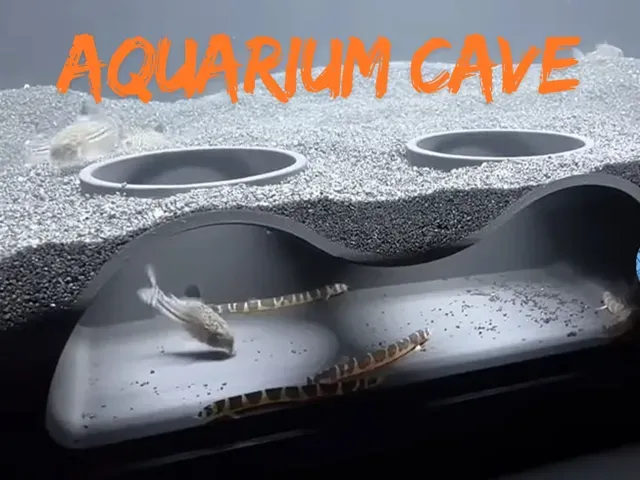
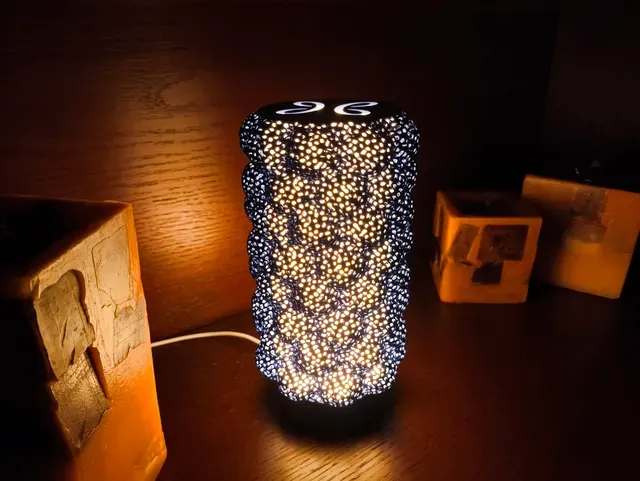
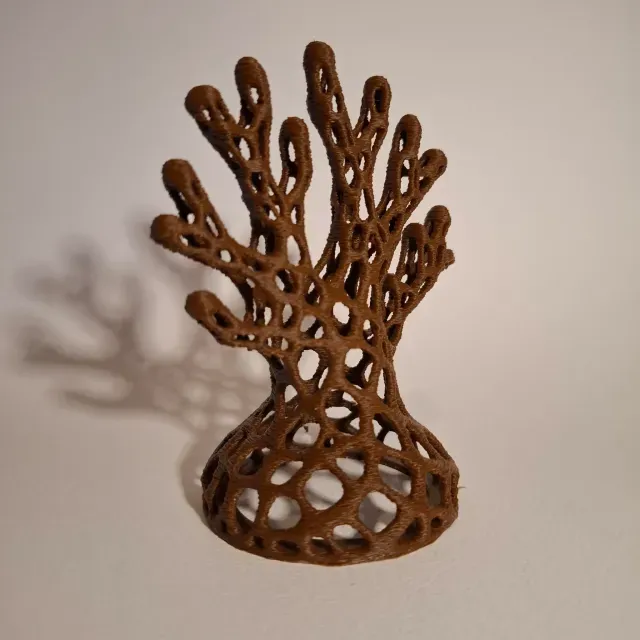
Coral appears in 3D printing as several different things: tank and terrarium decoration, lamp shades, sculptural bowls, and small sea creatures for dioramas. The collection gathers STL files from several platforms, so you can compare shapes and levels of detail in one place. It is useful if you want a reef-like object for a shelf, a lamp project, or a miniature underwater scene. Polyzon does not confirm whether models are free, their price, license, official status, affiliation, safety or fitness. Check the current terms at the source.
Esta colección está escrita en inglés, pero la búsqueda funciona en cualquier idioma.
 Una colección de Polyzon · 47 modelos de 4 plataformas
Polyzon reúne esta colección a partir de los resultados de búsqueda de las plataformas conectadas. Se eliminan los duplicados y los modelos sin vista previa, las coincidencias débiles van al final y el resto mantiene el orden de la búsqueda. Los modelos pertenecen a sus autores: consulta las condiciones en la página de cada modelo.
Criterios de selección: el equipo editorial de Polyzon · Texto actualizado el 13/10/2026


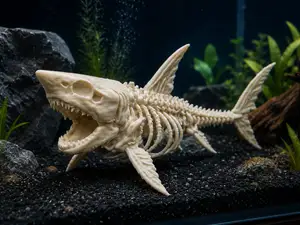
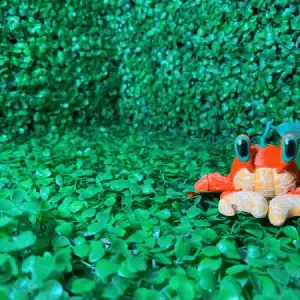


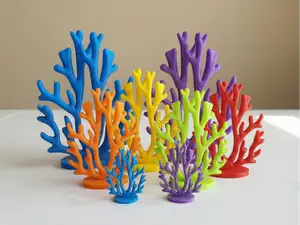
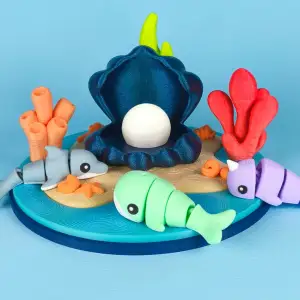


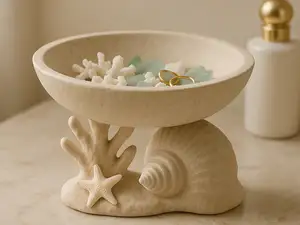
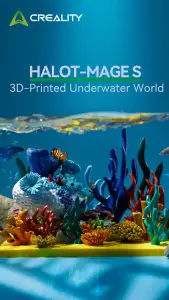

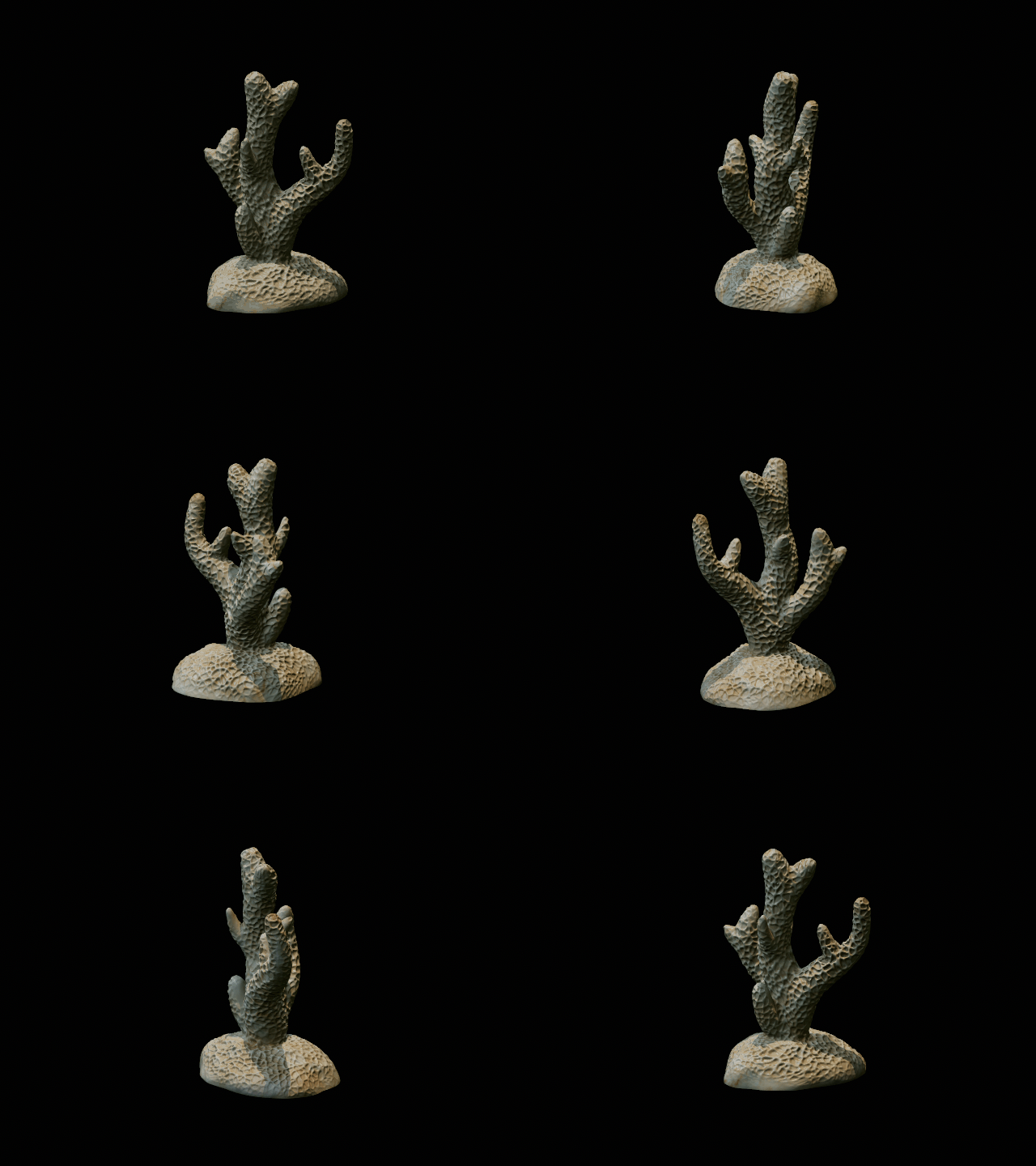
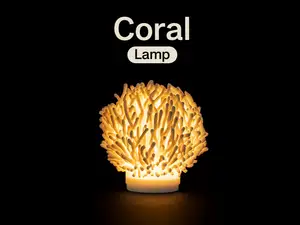
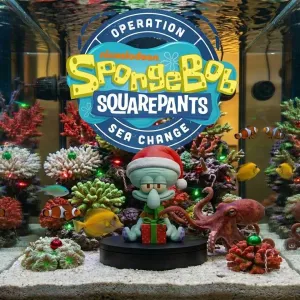


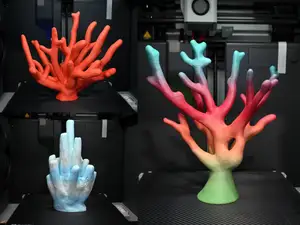
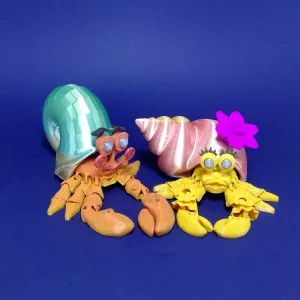
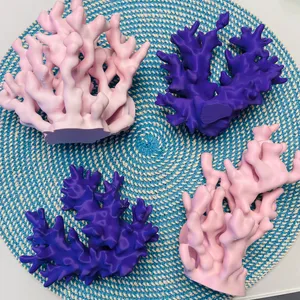
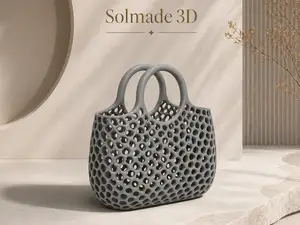
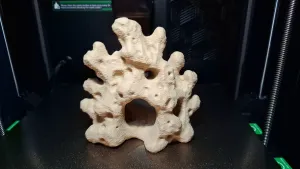

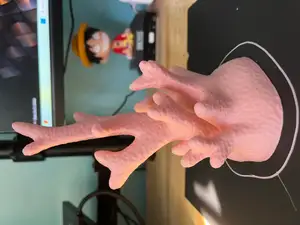
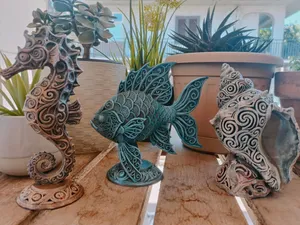
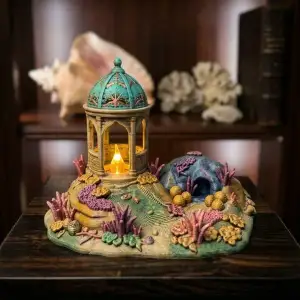


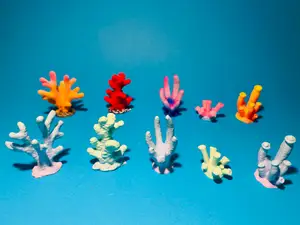
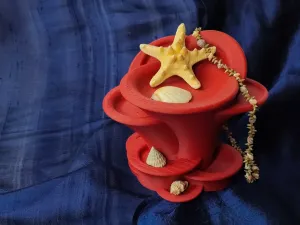


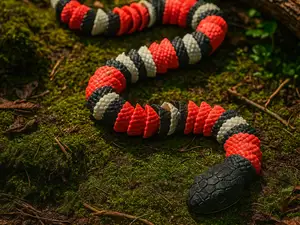
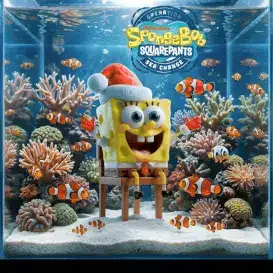


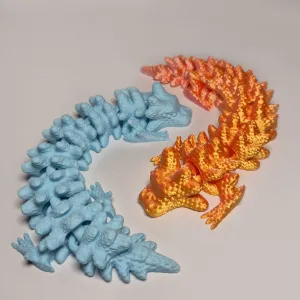


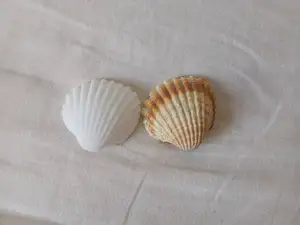
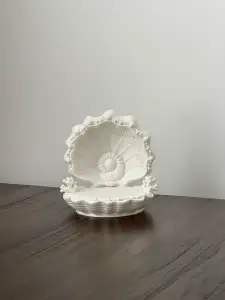
The pieces split roughly into functional and decorative groups. Aquarium and terrarium decorations are usually compact, textured forms meant to sit on a substrate or hang on a wall of the tank. Lamps and lampshades are built around a light source, so their walls, openings and thickness matter more than fine surface detail. Sculptural objects such as bowls and minimalist coral shapes are closer to interior decor, while articulated creatures and diorama sets are small, multi-part builds made for display rather than for water.
Before printing, open the author's model page and read what is listed there. Check the size and scale, since a coral branch sized for a diorama will not read the same way as a tabletop sculpture. Look at the number of parts and whether assembly is required, whether supports are needed for overhanging branches, and which material and settings the author names. Photos of real prints are the most useful reference for how thin tips and hollow sections come out on a filament or resin machine.
If the results feel narrow, widen the wording. Reef, polyp, sea fan, anemone, sponge and coral frag are related terms that bring up different shapes, and lampshade, candle holder or planter describe the object rather than the organism. Combining a form with a use case, such as coral lamp or reef diorama, usually narrows the list faster than a single word. You can also search by setting or material to find models whose authors describe the same printing approach you use.


El catálogo completo de temáticas, del hogar al CNC, con búsqueda en todas las plataformas conectadas.