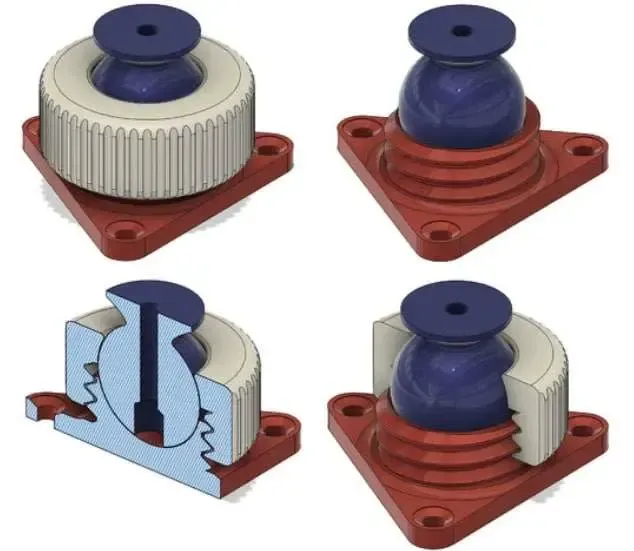
Gratis 
Настольная подставка для колонок (идеально подходит для Audioengine A2)
Cults3D
This collection gathers 3D models that surround speakers rather than the electronics inside them: stands, wall mounts, adapters and enclosures. It is useful when you want a 3D printer to solve a placement or fitment problem that off-the-shelf hardware does not cover. Most files are small parts, so a single spool and a few hours of printing are usually enough. Polyzon does not confirm whether models are free, their price, license, official status, affiliation, safety or fitness. Check the current terms at the source.
Esta colección está escrita en inglés, pero la búsqueda funciona en cualquier idioma.
 Una colección de Polyzon · 48 modelos de 7 plataformas
Polyzon reúne esta colección a partir de los resultados de búsqueda de las plataformas conectadas. Se eliminan los duplicados y los modelos sin vista previa, las coincidencias débiles van al final y el resto mantiene el orden de la búsqueda. Los modelos pertenecen a sus autores: consulta las condiciones en la página de cada modelo.
Criterios de selección: el equipo editorial de Polyzon · Texto actualizado el 14/10/2026


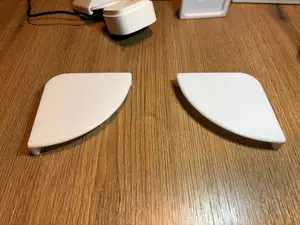
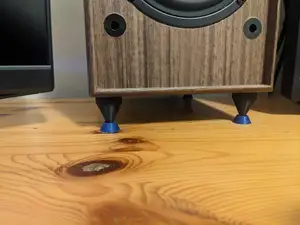


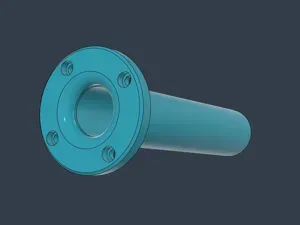


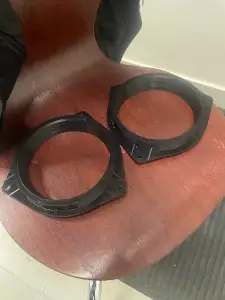

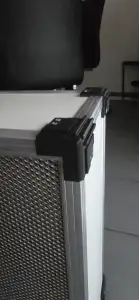




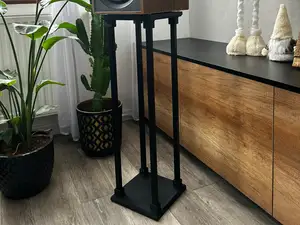


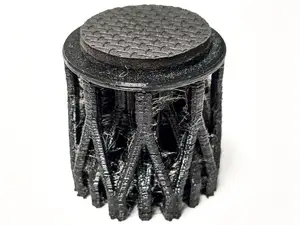


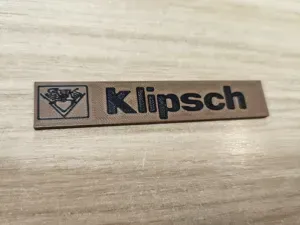



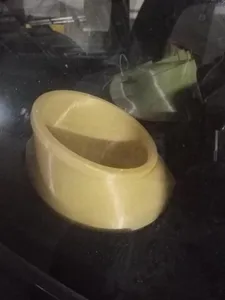


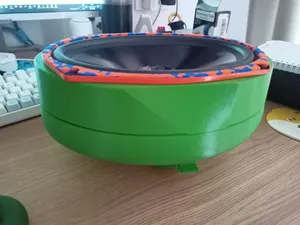
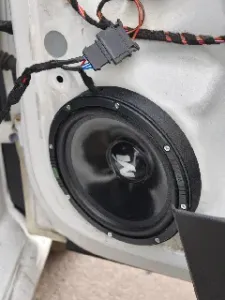

The reference shows several distinct groups. Enclosures and housings are built around a stated driver diameter, from small full-range units to horn and bass-reflex designs. Stands range from simple spikes and desktop risers to floor stands with an adjustable angle. Wall mounts and shelves cover corner placement, rear satellites and sim-racing setups, while adapters and angle brackets handle the gap between a driver and an existing cabinet or panel. A last group is made of small accessories: knobs, port tubes, corner protection and decorative plates.
When choosing a model, read the author's page before downloading. Check the stated driver size and mounting hole spacing, the wall thickness and whether the part is split into several pieces that need gluing or screws. Look at whether supports are required and how they would land on visible surfaces. Material and settings matter too: parts that carry weight or sit near a driver benefit from a stiffer filament and more perimeters, and the author often lists a suggested infill and orientation. Photos of real prints show how the part actually fits.
If the results feel narrow, change the wording rather than the topic. Try synonyms such as speaker stand, speaker mount, satellite bracket, driver adapter, horn, bass reflex port or cabinet. Related searches include studio monitor riser, bookshelf speaker support, soundbar bracket, tweeter waveguide and subwoofer feet. Combining a part name with a placement word — wall, corner, desk, ceiling — usually narrows the list faster than adding adjectives.


El catálogo completo de temáticas, del hogar al CNC, con búsqueda en todas las plataformas conectadas.