Gratis 
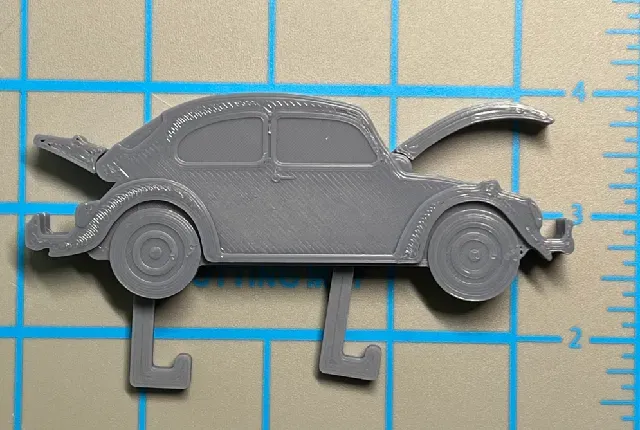
SHARKZ... Fun Multipurpose Clips / Holders / Pegs with moving jaws that bite!
Thingiverse
This collection gathers 3D models built around movement: clips with jaws that open, gear assemblies, vehicles with turning wheels, and figures with movable limbs. It is useful when you want a 3D printing project that does something after it comes off the 3D printer, not just a static shape. The titles below show how wide the range is, from small desk pieces to multi-part assemblies. Polyzon does not confirm whether models are free, their price, license, official status, affiliation, safety or fitness. Check the current terms at the source.
Esta colección está escrita en inglés, pero la búsqueda funciona en cualquier idioma.
 Una colección de Polyzon · 46 modelos de 4 plataformas
Polyzon reúne esta colección a partir de los resultados de búsqueda de las plataformas conectadas. Se eliminan los duplicados y los modelos sin vista previa, las coincidencias débiles van al final y el resto mantiene el orden de la búsqueda. Los modelos pertenecen a sus autores: consulta las condiciones en la página de cada modelo.
Criterios de selección: el equipo editorial de Polyzon · Texto actualizado el 14/10/2026
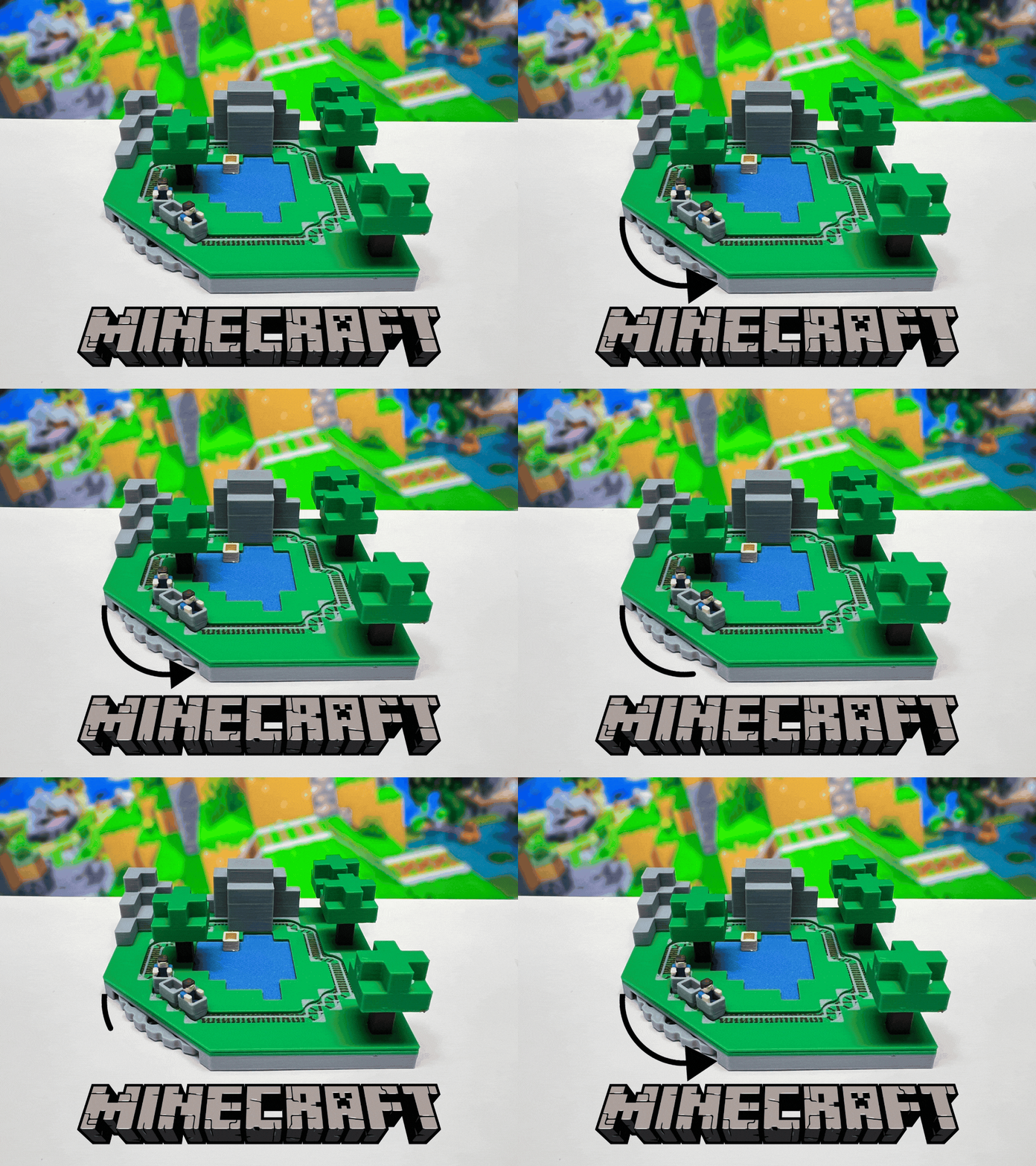


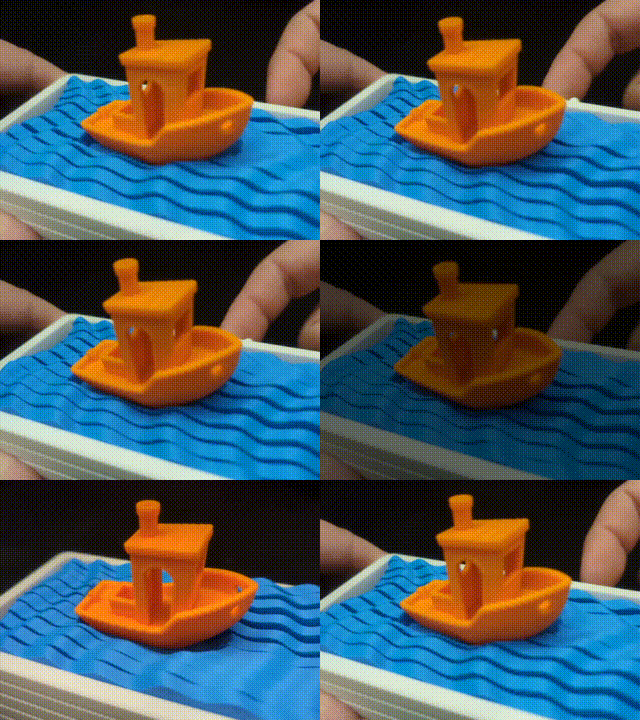


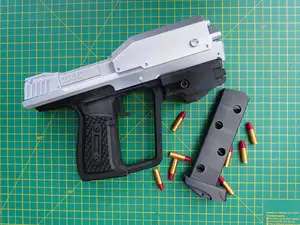


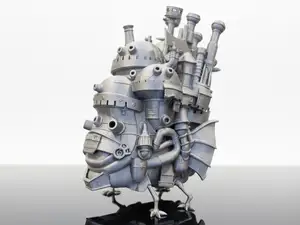


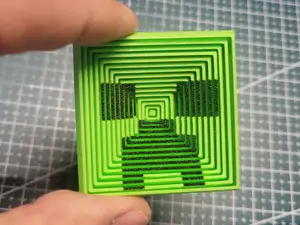


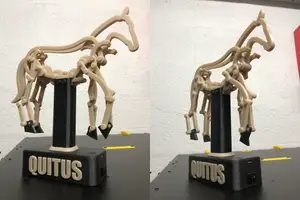



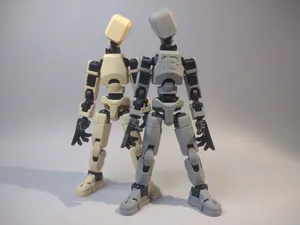


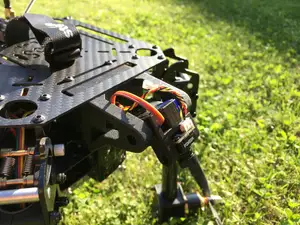
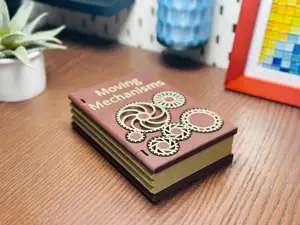


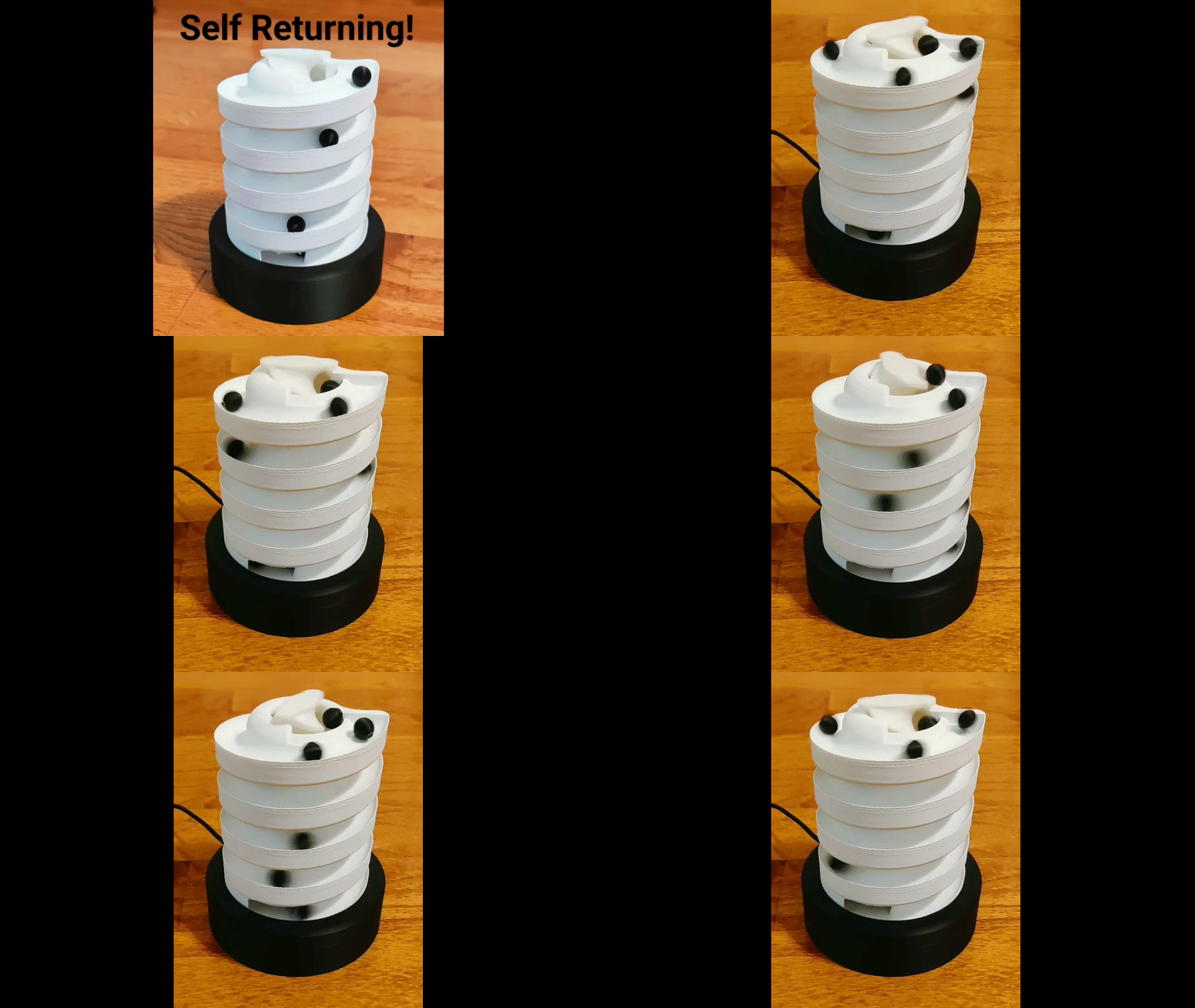



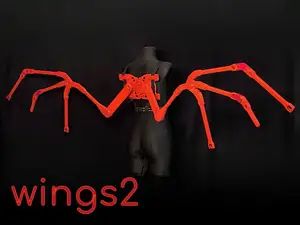


The models fall into a few rough groups. Small clips and pegs use a living hinge or a pin joint so the jaws open and close, while mechanical pieces such as gear sets, turntables and turret mechanisms rely on several printed parts rotating against each other. Vehicle and transport models often combine a static body with separate wheels or a hanging hook, and character or animal figures use ball joints, tentacles or swinging limbs for pose and motion.
When choosing, open the author's model page and read what is listed there. Check the overall size and scale, how many parts the file set contains, whether the parts print in place or need assembly, and whether the author reports that supports are needed. Material and settings matter more than usual here: moving parts need clearance between surfaces, so look at the layer height, wall thickness and tolerance values the author gives, and compare them with photos of real prints.
To widen or narrow the search, try synonyms and related terms. "Articulated", "print in place", "flexi", "jointed" and "mechanical" describe the same idea from different angles, while "gear", "hinge", "fidget" or "automaton" point to specific mechanisms. If you want a particular subject, pair it with a motion word, for example a vehicle with rotating wheels or an animal with movable limbs, and browse the related categories that appear alongside the results.



El catálogo completo de temáticas, del hogar al CNC, con búsqueda en todas las plataformas conectadas.