
Gratis 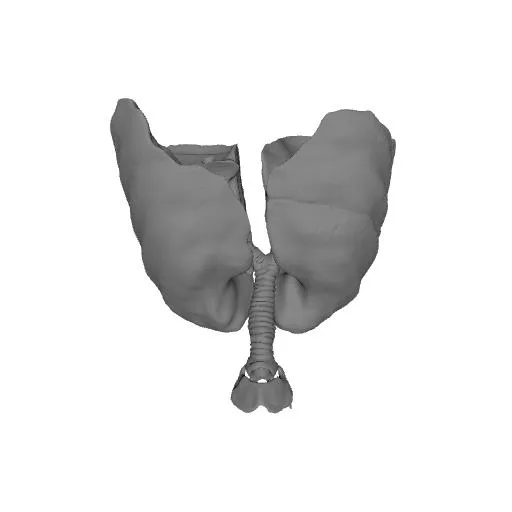
Respiratory System (Lungs) - Visible Human Male
NIH 3D
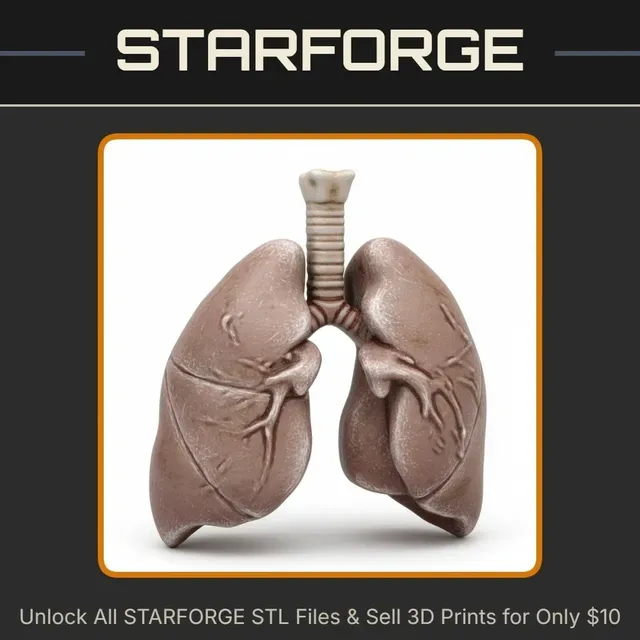
This collection gathers STL files that describe the respiratory system: lungs with bronchi and vessels, the trachea, the diaphragm, and models where the airways are shown inside a torso. It is useful for 3D printing when you need a physical object for teaching, study or a mechanical demonstration instead of a flat diagram. Polyzon does not confirm whether models are free, their price, license, official status, affiliation, safety or fitness. Check the current terms at the source.
Esta colección está escrita en inglés, pero la búsqueda funciona en cualquier idioma.
 Una colección de Polyzon · 48 modelos de 8 plataformas
Polyzon reúne esta colección a partir de los resultados de búsqueda de las plataformas conectadas. Se eliminan los duplicados y los modelos sin vista previa, las coincidencias débiles van al final y el resto mantiene el orden de la búsqueda. Los modelos pertenecen a sus autores: consulta las condiciones en la página de cada modelo.
Criterios de selección: el equipo editorial de Polyzon · Texto actualizado el 12/10/2026



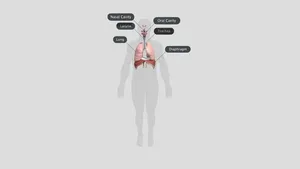


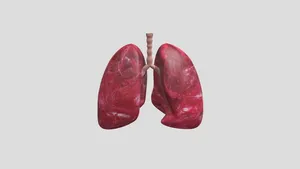
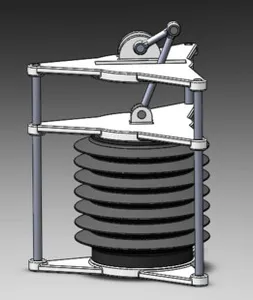
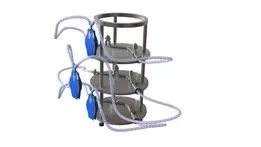
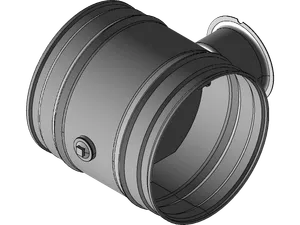

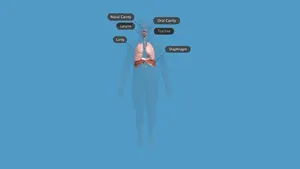
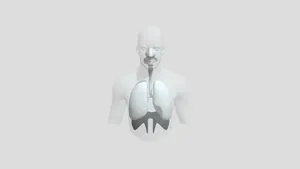
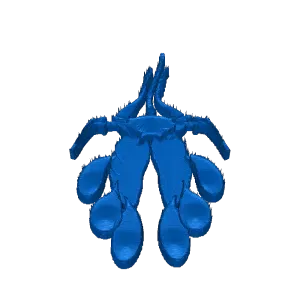
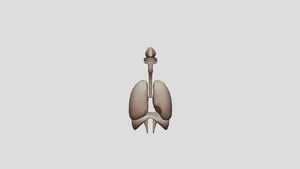

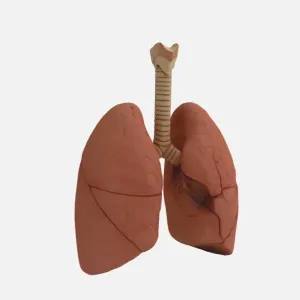
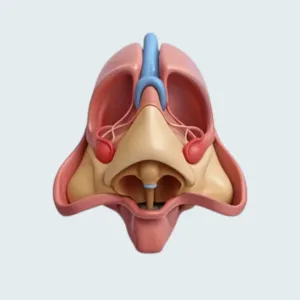



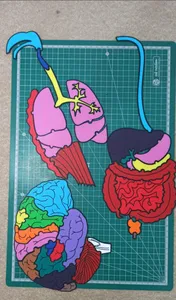

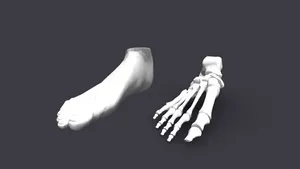


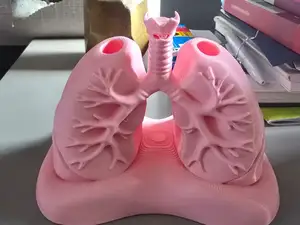












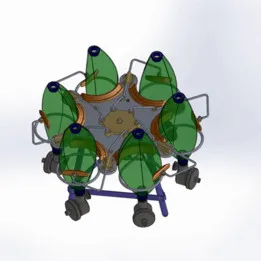
The models differ mainly in how much anatomy they include. Some show only the lungs and the branching airways, others add the trachea, larynx, diaphragm or a section of the body so the position of the organs is visible. A separate group is built for teaching: tactile relief images and simplified kits where the shapes are reduced to the parts a class needs to recognize. Mechanical and artificial breathing assemblies form another group, with moving parts such as a bellows, crank or housing rather than anatomical surfaces.
Before printing, read the author's model page rather than judging from the preview image. Check the overall size and scale, whether the file is one piece or split into parts that must be joined, and whether the thin branches and overhangs need supports. Look at the material and settings the author lists, and at photos of real prints, since airway walls and small vessels can be thinner than they appear.
You can widen or narrow the search with the terms used in this field: lungs, bronchi, trachea, alveoli, diaphragm, thorax, nasal cavity, sinuses, cross section, half scale, anatomical, tactile. Related topics such as human anatomy, torso models, biology class aids or medical education often lead to files that fit the same purpose. Combining an organ name with a format or a use case, for example lungs plus cross section, gives more precise results than the topic alone.




El catálogo completo de temáticas, del hogar al CNC, con búsqueda en todas las plataformas conectadas.