
Gratis 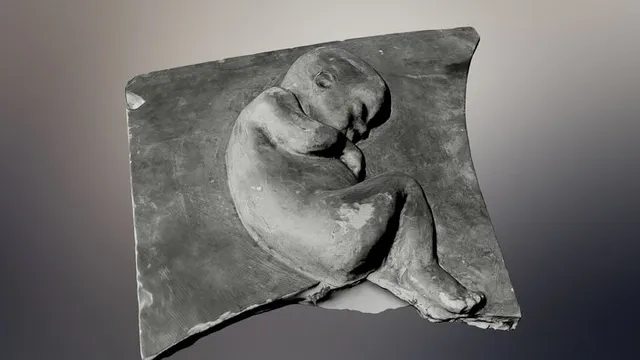
Барельеф Эмбрион | Bas-relief Embrio
Sketchfab
This collection gathers embryo-themed 3D models: staged human embryo studies, specimen-jar displays, animal figures and fictional alien props. Most are small display pieces, so they print well on a desktop 3D printer without a large build volume. The STL files differ widely in detail level, which makes the collection useful for both study and decoration. Polyzon does not confirm whether models are free, their price, license, official status, affiliation, safety or fitness. Check the current terms at the source.
Esta colección está escrita en inglés, pero la búsqueda funciona en cualquier idioma.
 Una colección de Polyzon · 48 modelos de 7 plataformas
Polyzon reúne esta colección a partir de los resultados de búsqueda de las plataformas conectadas. Se eliminan los duplicados y los modelos sin vista previa, las coincidencias débiles van al final y el resto mantiene el orden de la búsqueda. Los modelos pertenecen a sus autores: consulta las condiciones en la página de cada modelo.
Criterios de selección: el equipo editorial de Polyzon · Texto actualizado el 11/10/2026

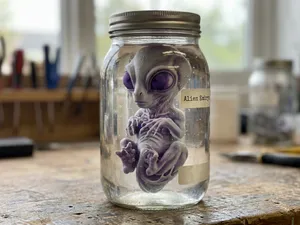
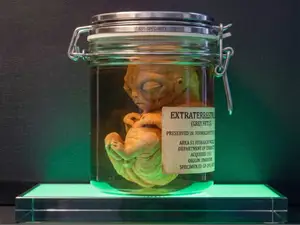

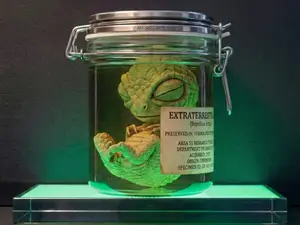
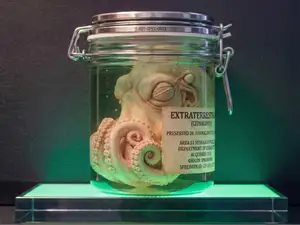

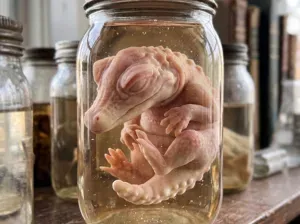

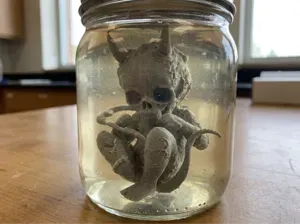

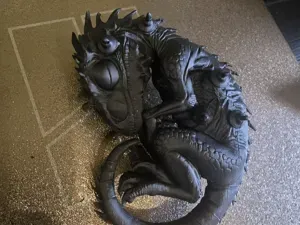
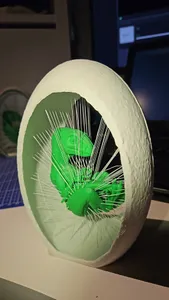

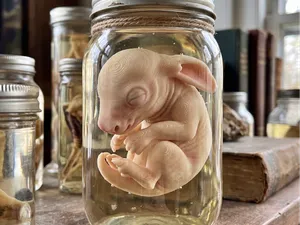


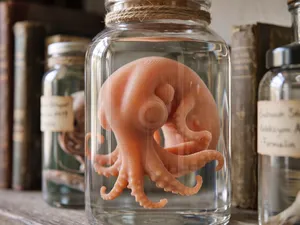
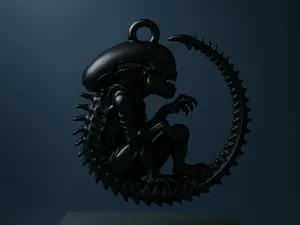



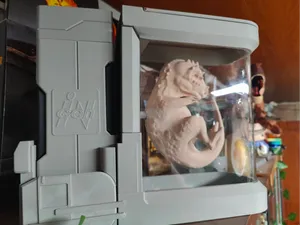


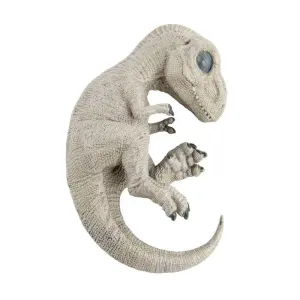
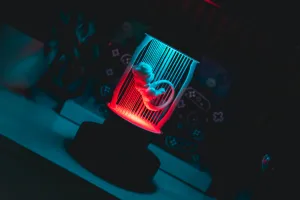
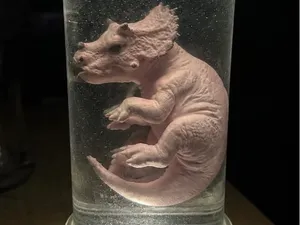


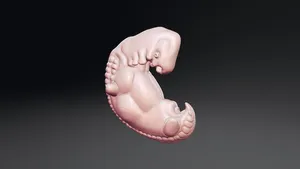
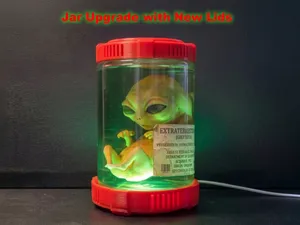
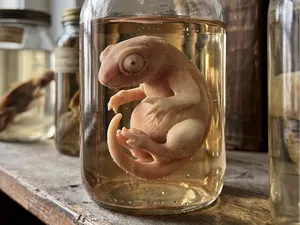
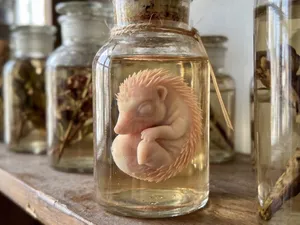
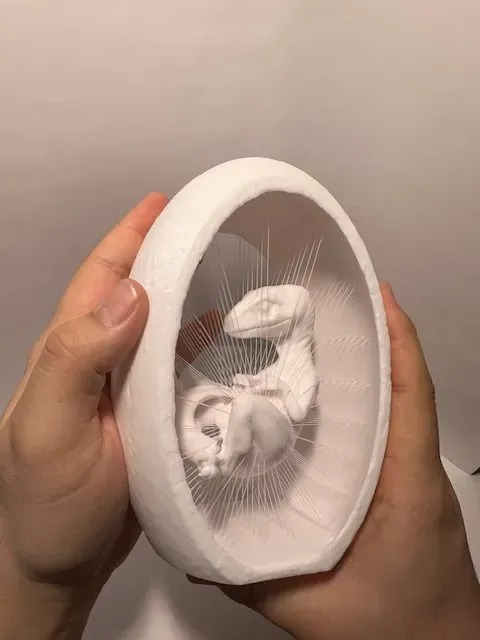
The models fall into a few groups. Anatomical studies reproduce embryos at successive developmental stages and are usually shown as solid or hollowed forms. Specimen-jar designs combine an embryo or creature with a container, so the print is often split into a body and a jar. Fictional variants, such as alien or dinosaur embryos, lean toward display props with textured surfaces and sometimes a stand or hanging element.
When choosing a file, look at the scale stated on the model page and compare it with your build volume. Check how many parts are included and whether the author expects glue or a threaded joint for assembly. Transparent or glossy filaments suit jar-style prints, while matte filament hides layer lines on anatomical surfaces. Read the settings the author lists, and look at photos of real prints to judge how fine details such as folds and thin limbs come out.
To narrow the results, try related terms: fetus, developmental stage, anatomical model, specimen jar, wet specimen, lab decor, or embryo prop. Adding a material or process word, such as resin or FDM, filters the list further. If you want a specific creature, search for the animal name together with embryo, or look at egg and incubator models that pair with the same theme.



El catálogo completo de temáticas, del hogar al CNC, con búsqueda en todas las plataformas conectadas.

