
Gratis 
Modeling clay Sphere molds
Thingiverse
This collection gathers STL files connected with mold making: housings and boxes for pouring silicone, candy and jelly forms, sculpting masters, and tooling for casting or forming. It is useful when you need a shape to reproduce rather than a finished object. Most files here are meant for a 3D printer and then for a second material poured into or around them. Polyzon does not confirm whether models are free, their price, license, official status, affiliation, safety or fitness. Check the current terms at the source.
Esta colección está escrita en inglés, pero la búsqueda funciona en cualquier idioma.
 Una colección de Polyzon · 48 modelos de 3 plataformas
Polyzon reúne esta colección a partir de los resultados de búsqueda de las plataformas conectadas. Se eliminan los duplicados y los modelos sin vista previa, las coincidencias débiles van al final y el resto mantiene el orden de la búsqueda. Los modelos pertenecen a sus autores: consulta las condiciones en la página de cada modelo.
Criterios de selección: el equipo editorial de Polyzon · Texto actualizado el 13/10/2026




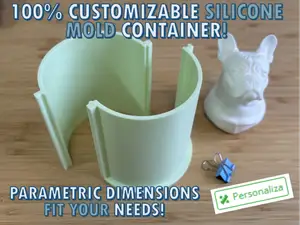


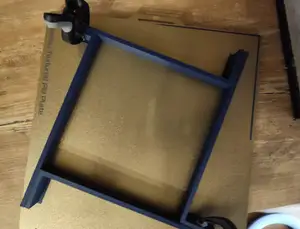


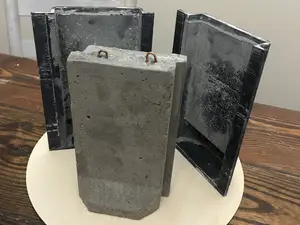


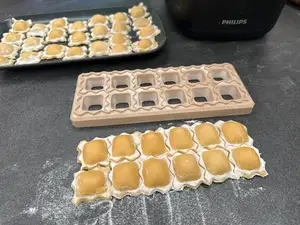







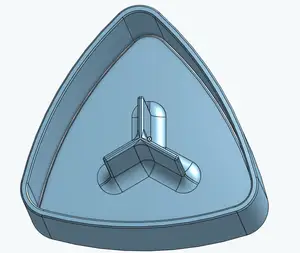


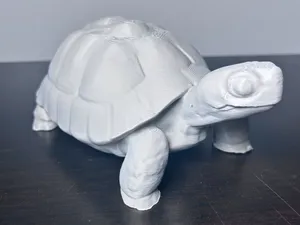


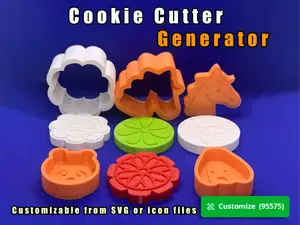





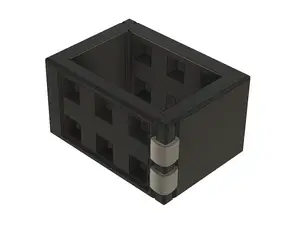


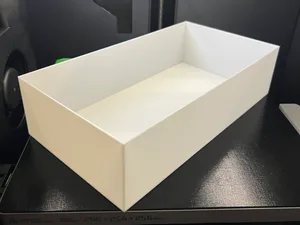
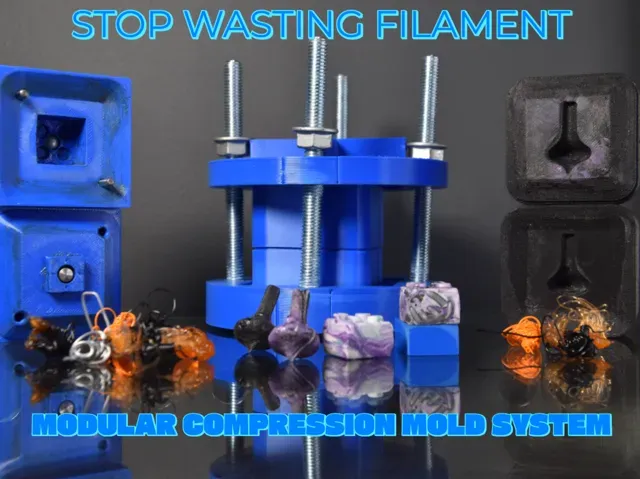
The files fall into a few groups that behave differently. Housings, boxes and adjustable frames hold silicone while it cures, so their walls, wall thickness and the way the parts lock together matter. Candy and jelly molds are shallow negatives shaped as animals or simple figures. Sculpting masters and figurines are positives: they are printed first and then used to produce a mold around them. Casting and forming tooling, including compression systems and larger concrete or thermoformed molds, is usually bigger and often split into several pieces.
On the author's model page, look at size and scale, the number of parts and how they assemble, and whether supports are needed for the overhangs. Check whether the file is a positive or a negative, since that decides the order of your work. Read the material and settings the author lists, and look at photos of real prints to judge surface quality and wall thickness. For molds that will be filled with a liquid, thin walls and sharp internal corners are worth noticing before you start.
If the results are thin, change the wording. Try the British spelling mould, or terms such as casting, resin, silicone, gummy, jelly, vacuum forming, master model, two-part mold or negative. Related searches include dice molds, emblem and ornament molds, shoe sole molds, and parametric or modular mold systems. Combining a shape word with a process word usually narrows the list faster than browsing a single category.




El catálogo completo de temáticas, del hogar al CNC, con búsqueda en todas las plataformas conectadas.