Gratis 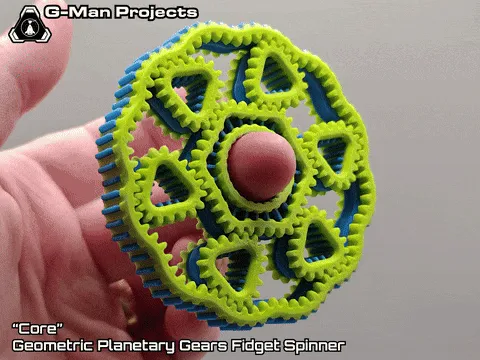
"Razor" Geometric Planetary Gears Fidget Spinner
MakerWorld
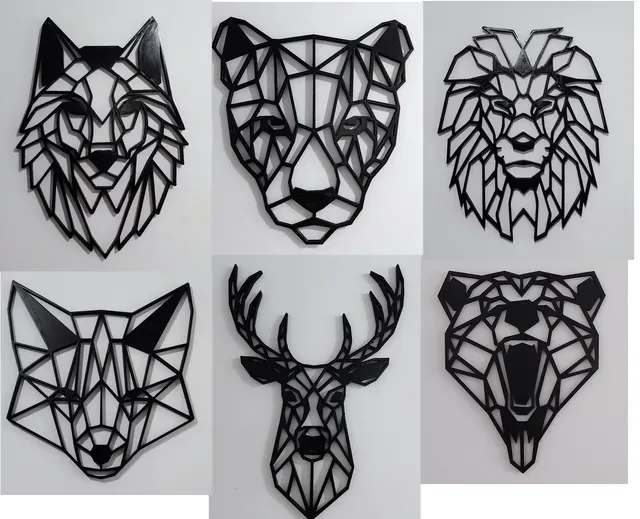
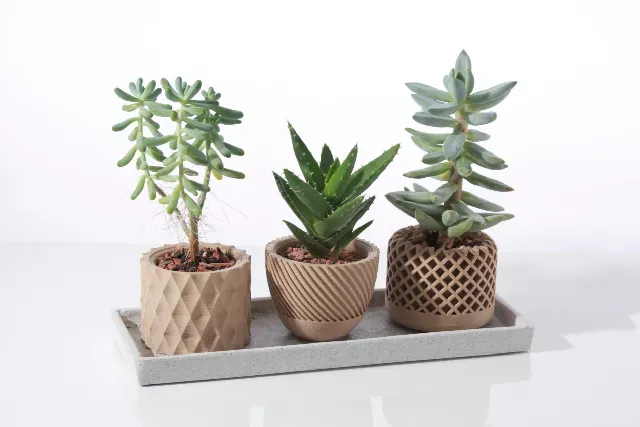
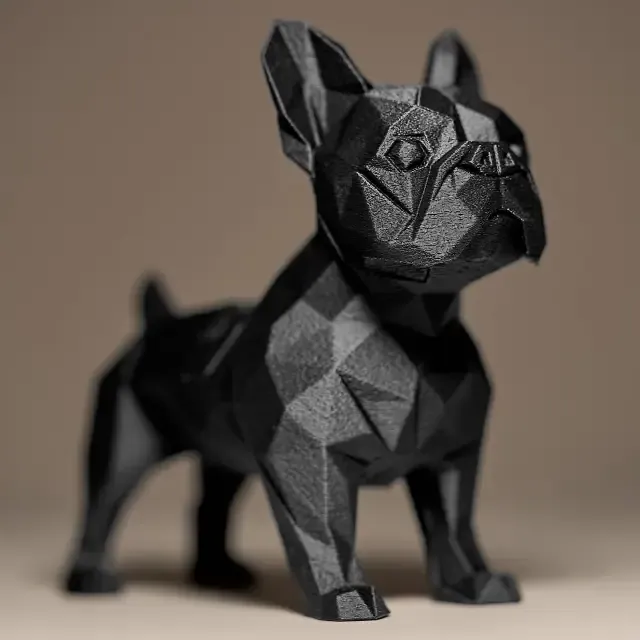
This collection gathers geometric 3D models that range from faceted planters and low-poly animal figures to gear spinners and simple shape studies. Most of them are made for 3D printing, and the flat faces and straight edges often make the print easier to read than an organic surface. It is a useful starting point if you want a shape-driven object rather than a detailed replica. Polyzon does not confirm whether models are free, their price, license, official status, affiliation, safety or fitness. Check the current terms at the source.
Esta colección está escrita en inglés, pero la búsqueda funciona en cualquier idioma.
 Una colección de Polyzon · 48 modelos de 6 plataformas
Polyzon reúne esta colección a partir de los resultados de búsqueda de las plataformas conectadas. Se eliminan los duplicados y los modelos sin vista previa, las coincidencias débiles van al final y el resto mantiene el orden de la búsqueda. Los modelos pertenecen a sus autores: consulta las condiciones en la página de cada modelo.
Criterios de selección: el equipo editorial de Polyzon · Texto actualizado el 12/10/2026
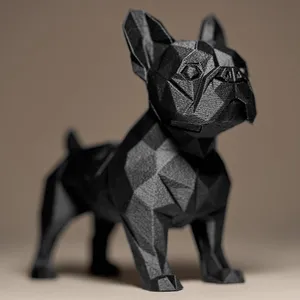

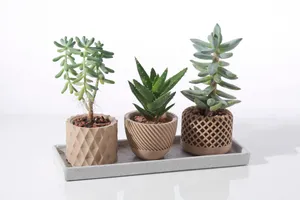


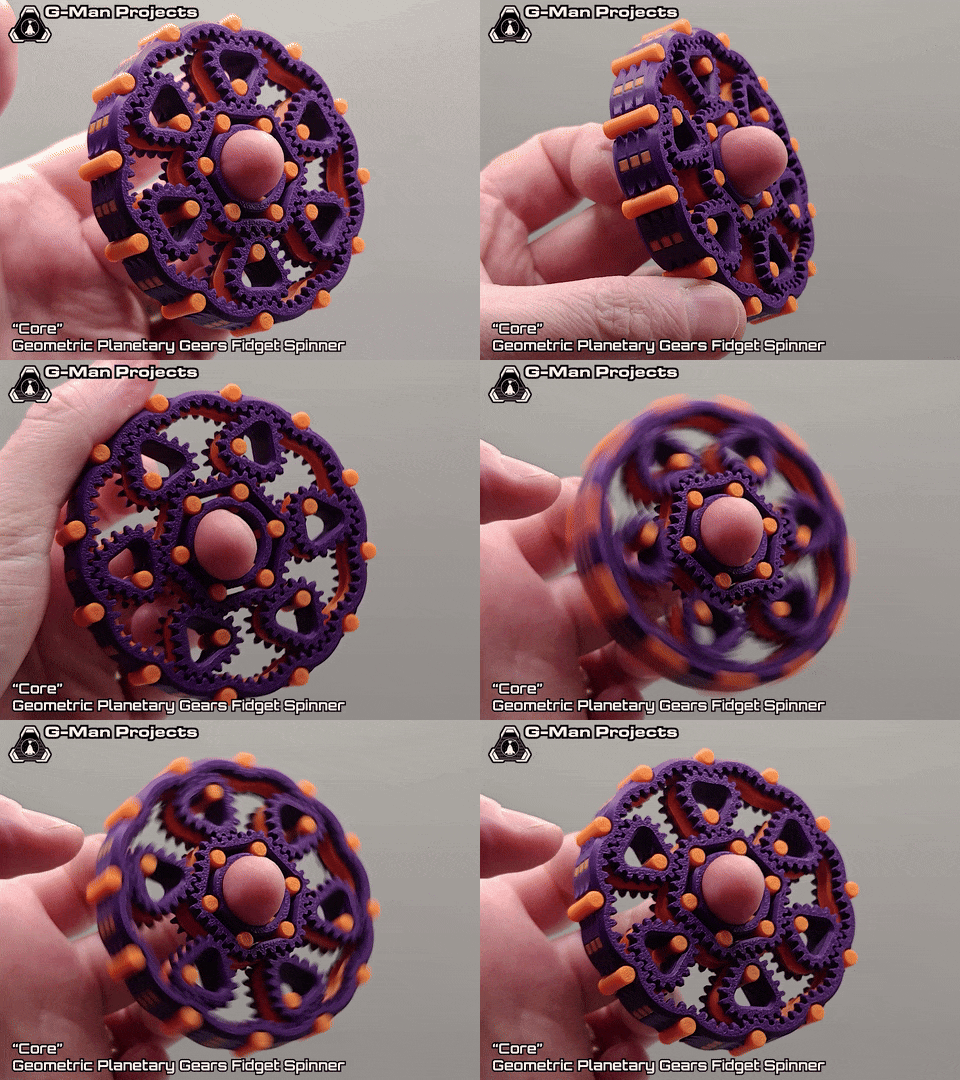

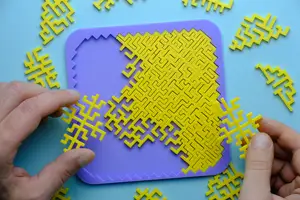


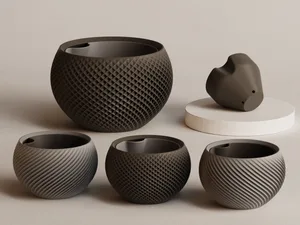




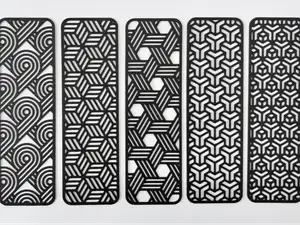


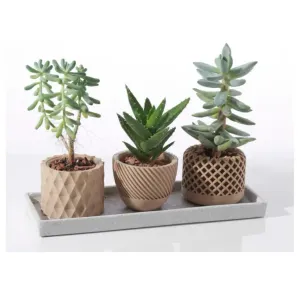

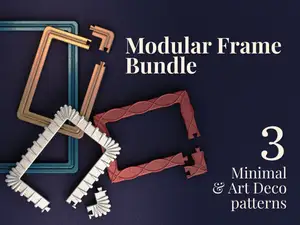

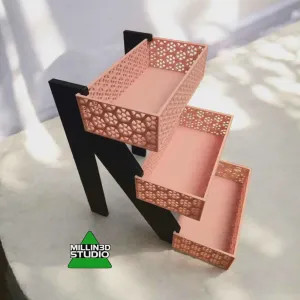

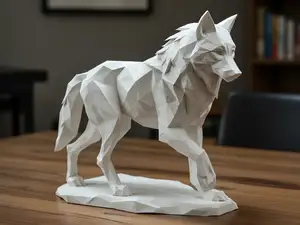


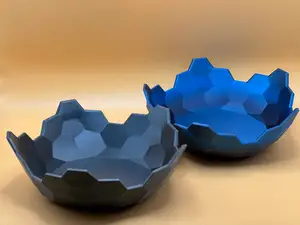

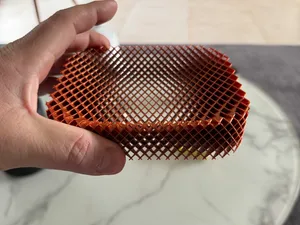
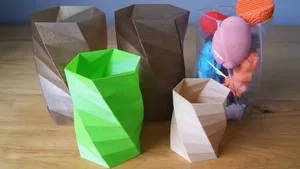
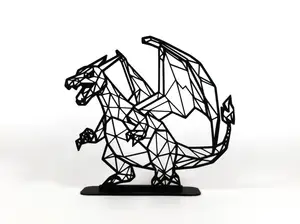
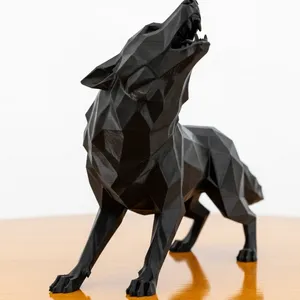
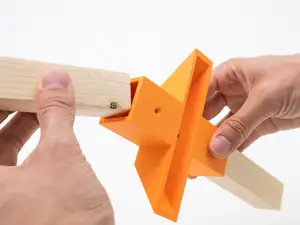


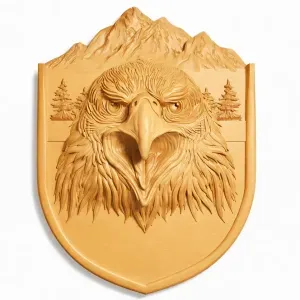
The models fall into a few clear groups. Planters and pots use faceted or stacked forms, sometimes as modular pieces that combine into larger arrangements. Animal figurines and heads reduce a body to flat planes, while wall art uses the same approach in a shallow relief. Spinners and gear sets add moving parts, and a separate group covers puzzles and plain geometric solids used as building blocks or test shapes.
When you open a model page, look at the overall size and scale first, since a faceted planter or figurine can be scaled up or down only within limits. Check how many parts the model has and whether they are meant to be glued or fitted together, and whether the author lists supports, layer height, wall count and material. Photos of real prints show how sharp the edges come out and where the surface may need sanding.
To narrow the search, try terms that describe the shape rather than the object: low poly, faceted, polygonal, modular, wireframe or origami-style. Related topics such as planters, desk organizers, wall decor, fidget toys and puzzle models often lead to the same geometry from a different angle. Combining a shape word with a subject word usually gives the shortest path to what you have in mind.



El catálogo completo de temáticas, del hogar al CNC, con búsqueda en todas las plataformas conectadas.