
Gratis 
GPS rear-view mirror support
MyMiniFactory
This collection gathers 3D models built around GPS hardware: enclosures for tracker and LoRa nodes, mounts for vehicles and bikes, and holders for bare receiver modules. Most of them exist because a stock GPS unit needs a body, a bracket or a place to sit inside a larger build. If you are planning a 3D printing project around a receiver, these files show the common ways others have solved the mechanical side. Polyzon does not confirm whether models are free, their price, license, official status, affiliation, safety or fitness. Check the current terms at the source.
Esta colección está escrita en inglés, pero la búsqueda funciona en cualquier idioma.
 Una colección de Polyzon · 48 modelos de 5 plataformas
Polyzon reúne esta colección a partir de los resultados de búsqueda de las plataformas conectadas. Se eliminan los duplicados y los modelos sin vista previa, las coincidencias débiles van al final y el resto mantiene el orden de la búsqueda. Los modelos pertenecen a sus autores: consulta las condiciones en la página de cada modelo.
Criterios de selección: el equipo editorial de Polyzon · Texto actualizado el 13/10/2026




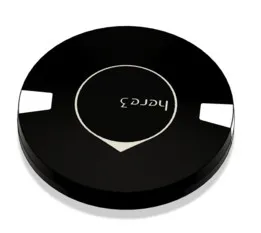
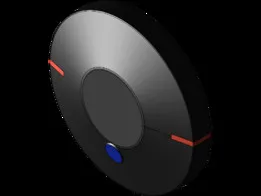


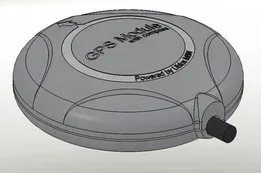


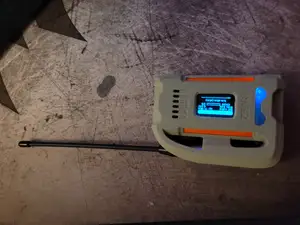


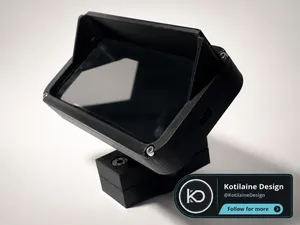

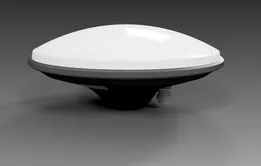
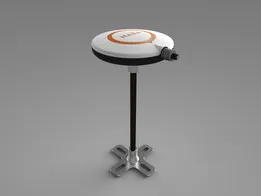

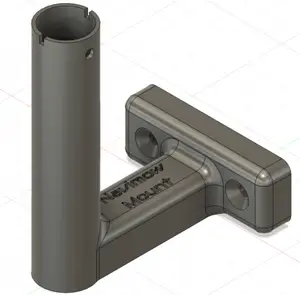

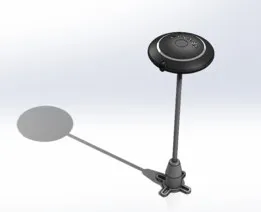


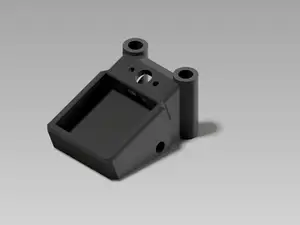


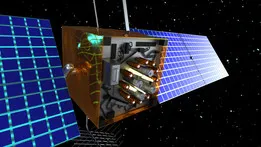


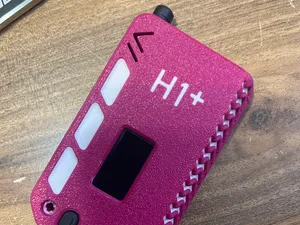

The models split roughly into two groups. One group is enclosures: boxes that hold a GPS module together with a battery, a microcontroller board or extra sensors, often with openings for buttons, antennas and connectors. The other group is mounting hardware: brackets that attach a receiver to a handlebar, a mirror, a frame plate or a camera rig, usually shaped around one specific module footprint. A third, smaller group covers holders and adapters that keep a bare module in place inside someone else's assembly.
When you open a model page, start with the dimensions the author gives and compare them with your own module, since receivers with similar names can differ in board size and connector position. Look at how many separate parts the model has, whether they are meant to be screwed, glued or snapped together, and whether the author mentions supports or particular print settings. Photos of finished prints are the quickest way to judge wall thickness, clearances around ports and how the antenna area is handled.
Searching by the module name alone is often too narrow. Try terms such as receiver case, tracker enclosure, antenna mount, handlebar bracket or frame mount, and combine them with the platform or build you are working on. Related topics like LoRa nodes, flight controllers, FPV frames and cycling accessories tend to surface the same hardware from a different angle, and browsing those results usually turns up a shape that fits better than the first attempt.


El catálogo completo de temáticas, del hogar al CNC, con búsqueda en todas las plataformas conectadas.