
Gratis 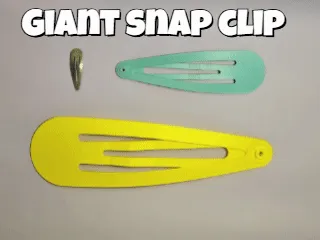
Giant Classic Hair Clip
MakerWorld
This collection gathers 3D-printable hair clips, from character pins and floral slides to plain clips for everyday wear. It is useful if you want a small 3D printing project that finishes quickly and can be scaled or recolored. The range covers decorative pieces as well as simple shapes that hold a ponytail or bun. Polyzon does not confirm whether models are free, their price, license, official status, affiliation, safety or fitness. Check the current terms at the source.
Esta colección está escrita en inglés, pero la búsqueda funciona en cualquier idioma.
 Una colección de Polyzon · 48 modelos de 4 plataformas
Polyzon reúne esta colección a partir de los resultados de búsqueda de las plataformas conectadas. Se eliminan los duplicados y los modelos sin vista previa, las coincidencias débiles van al final y el resto mantiene el orden de la búsqueda. Los modelos pertenecen a sus autores: consulta las condiciones en la página de cada modelo.
Criterios de selección: el equipo editorial de Polyzon · Texto actualizado el 14/10/2026
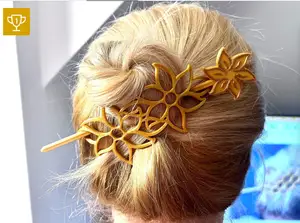

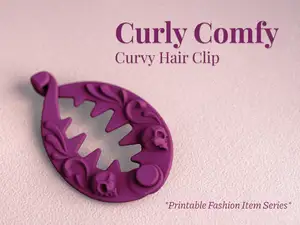
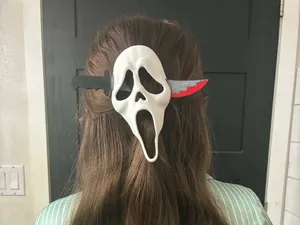

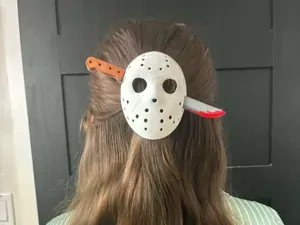

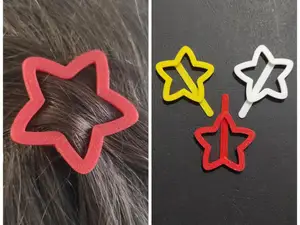
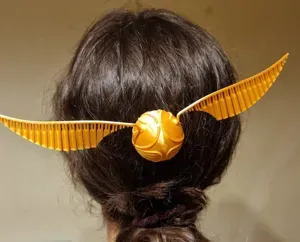
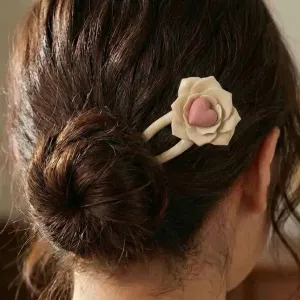

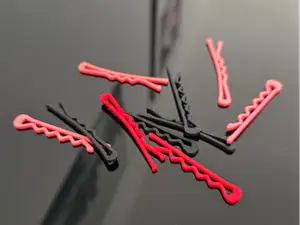
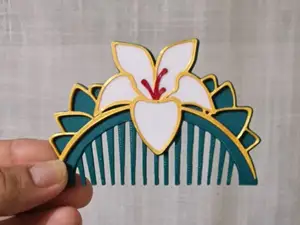
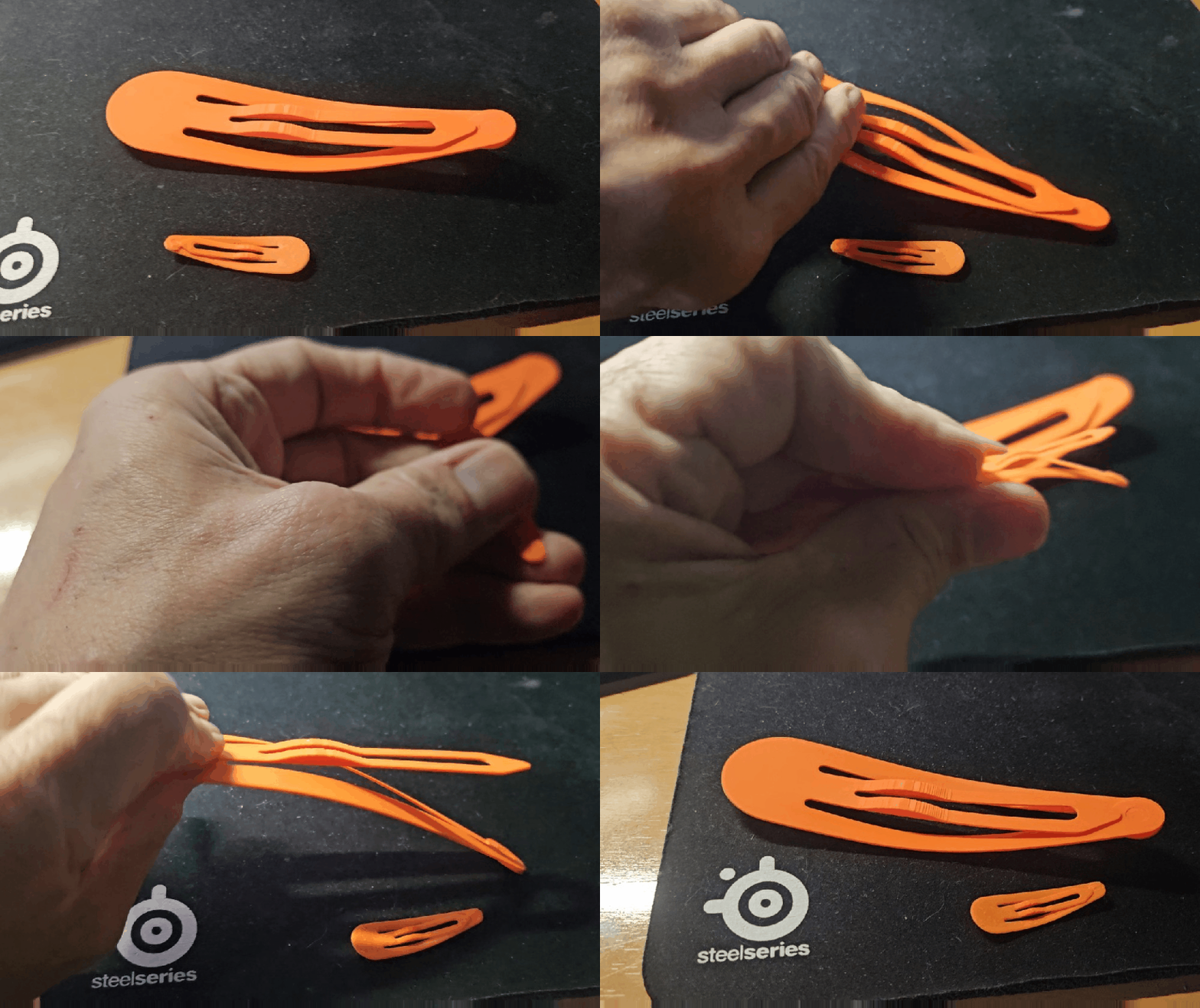
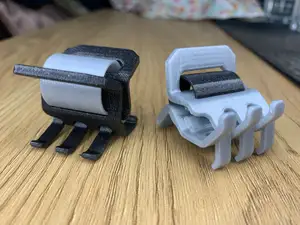

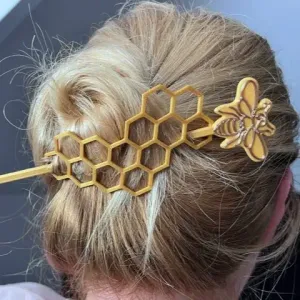
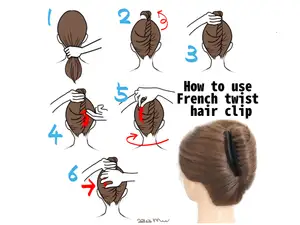
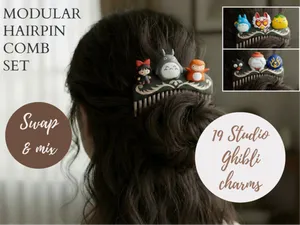
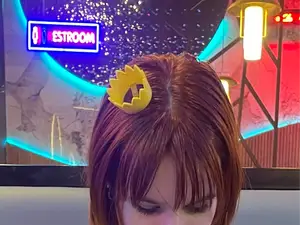

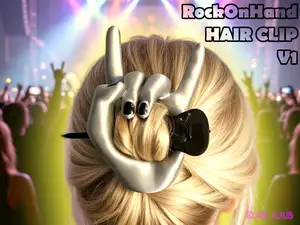
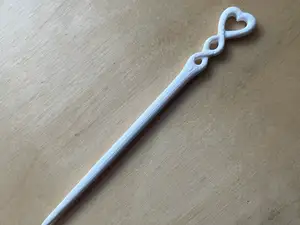

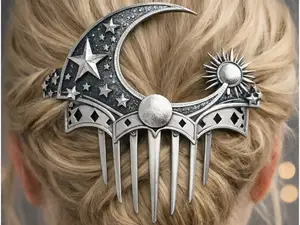

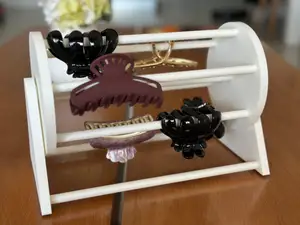
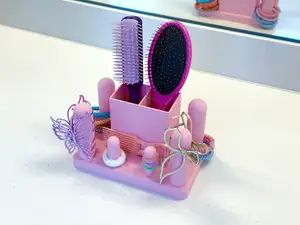
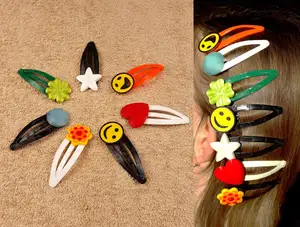
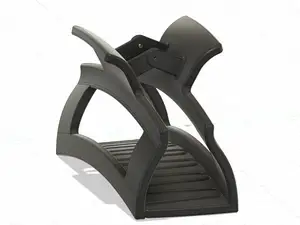


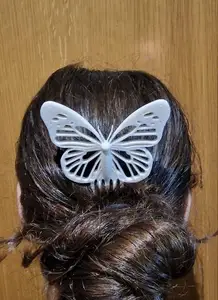


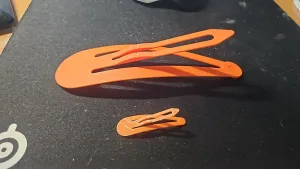
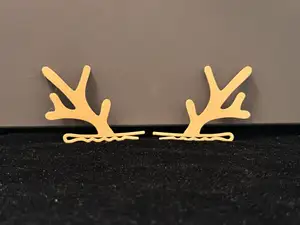
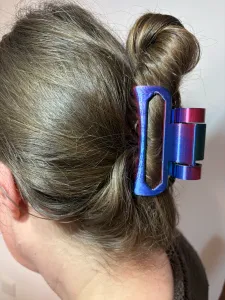

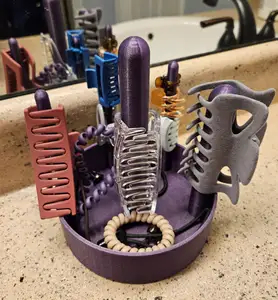
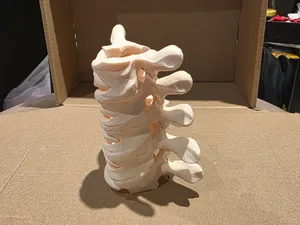

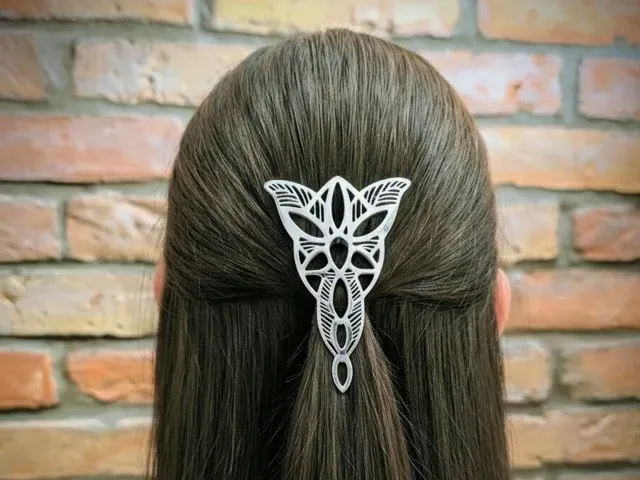
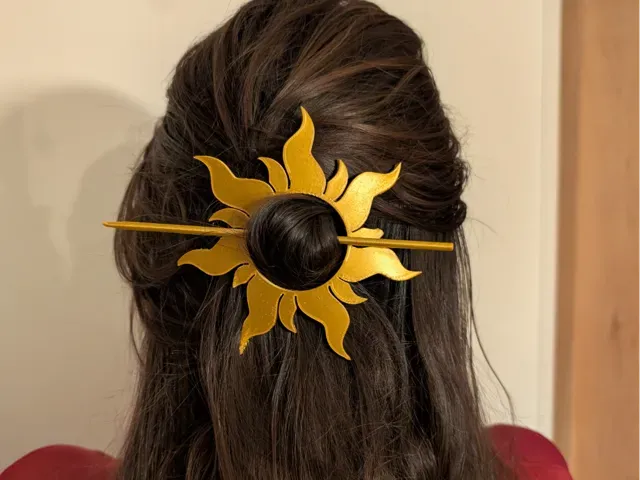
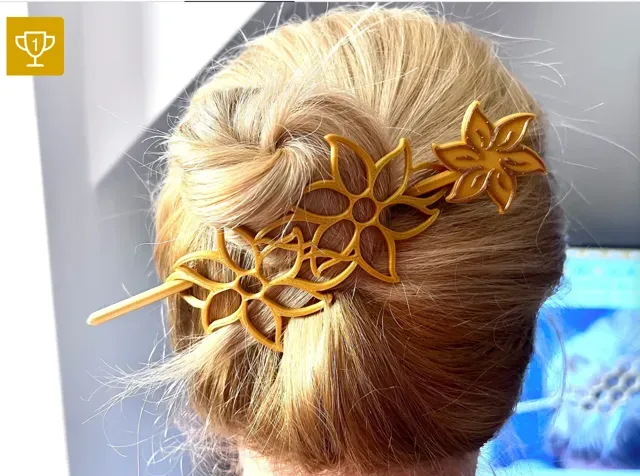
Most entries fall into a few recognizable groups. Character and fandom clips use a flat emblem or silhouette on a standard clip body, while floral and abstract designs lean on layered petals or geometric cutouts. Bee and honeycomb slides repeat a hexagon pattern, and novelty pieces take the shape of creatures or symbols. Everyday clips are usually the simplest: a curved jaw, a hinge or a single printed arm that grips the hair.
Before printing, open the author's model page and read what is listed there. Check the overall size and scale, since a clip sized for a child's hair will not fit an adult, and look at how many parts are involved and whether they are printed separately. See whether the model needs supports, which material and layer height the author used, and whether real photos of finished prints are shown. Thin arms and hinges are the areas most likely to need a slower speed or a tougher filament.
To widen the search, try synonyms such as hair pin, hair slide, barrette, claw clip, hair comb or hair tie, and combine them with a motif like flower, bee, leaf or star. Related topics worth browsing include scrunchies, headbands, hair accessories and small wearable pins. If you have a specific shape in mind, searching by the object or character name alone often returns more results than the word clip.
For fit, measure the thickness of the hair the clip should hold and compare it with the opening in the model. Rigid materials suit flat decorative clips, while a filament with some flex helps where a clip has to bend over a hinge. Printing the clip flat on the bed usually keeps the layers running along the arm rather than across it, which matters for parts that flex.



El catálogo completo de temáticas, del hogar al CNC, con búsqueda en todas las plataformas conectadas.