
Gratis 
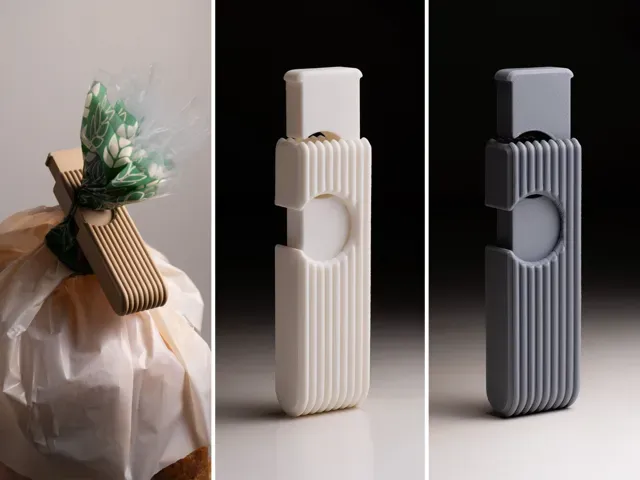
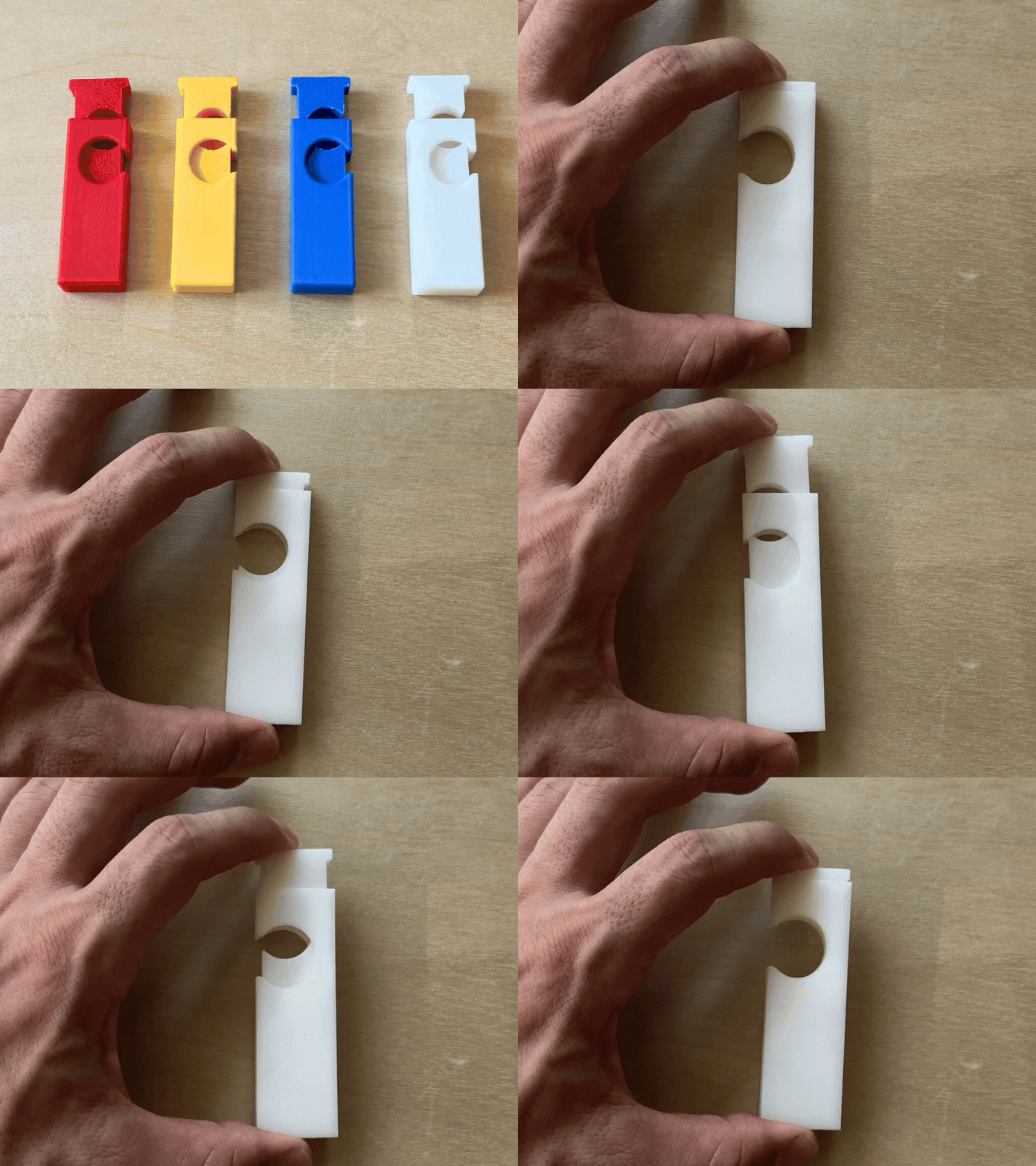
Press-to-Seal Clip / Food Bag Sealing Clip
MakerWorld
This collection gathers 3D models of play food and kitchen toys made for children: meal sets, dishes, puzzles and small hand-training tools. Most files are intended for home 3D printing, so the same model can be scaled up for a play kitchen or down for a dollhouse. It helps you find STL files by theme instead of scrolling through general toy listings. Polyzon does not confirm whether models are free, their price, license, official status, affiliation, safety or fitness. Check the current terms at the source.
Esta colección está escrita en inglés, pero la búsqueda funciona en cualquier idioma.
 Una colección de Polyzon · 48 modelos de 7 plataformas
Polyzon reúne esta colección a partir de los resultados de búsqueda de las plataformas conectadas. Se eliminan los duplicados y los modelos sin vista previa, las coincidencias débiles van al final y el resto mantiene el orden de la búsqueda. Los modelos pertenecen a sus autores: consulta las condiciones en la página de cada modelo.
Criterios de selección: el equipo editorial de Polyzon · Texto actualizado el 11/10/2026


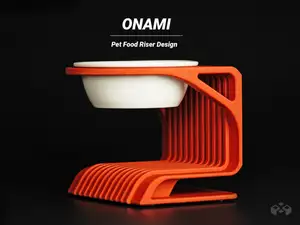
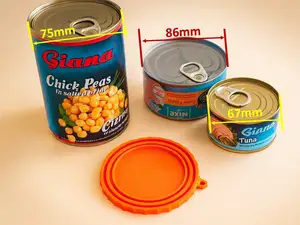


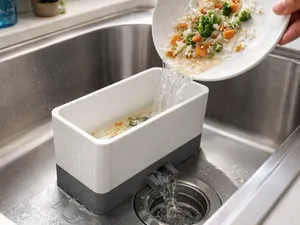
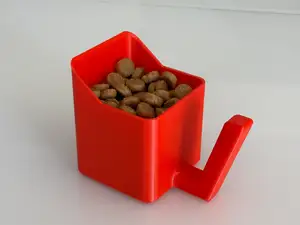


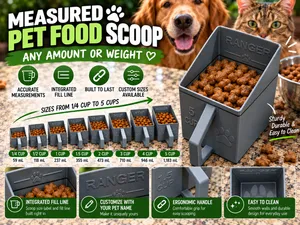


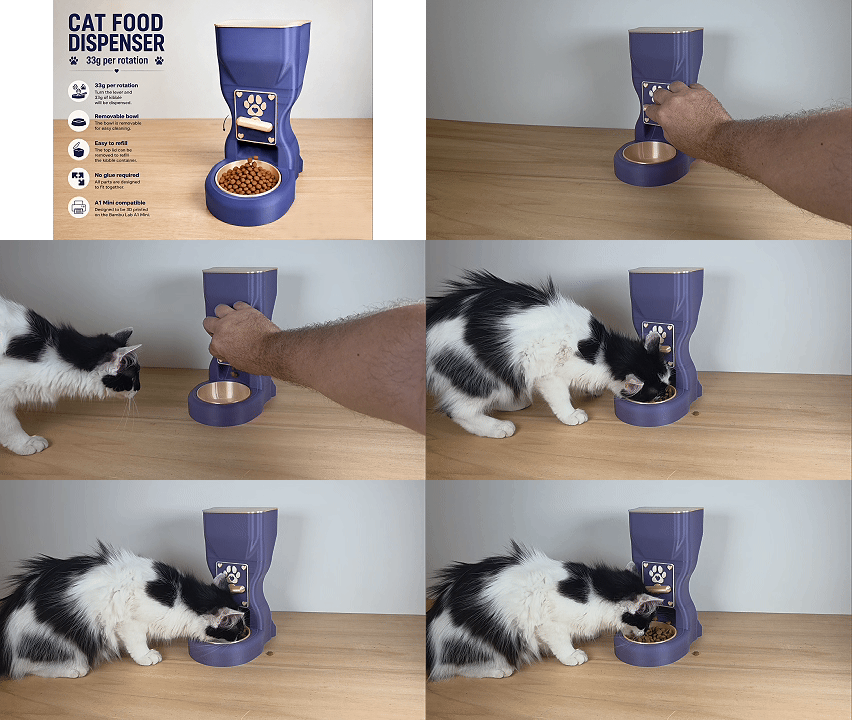

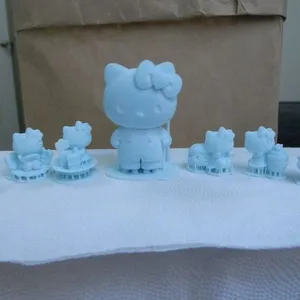


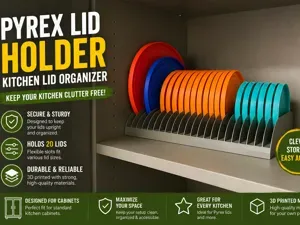

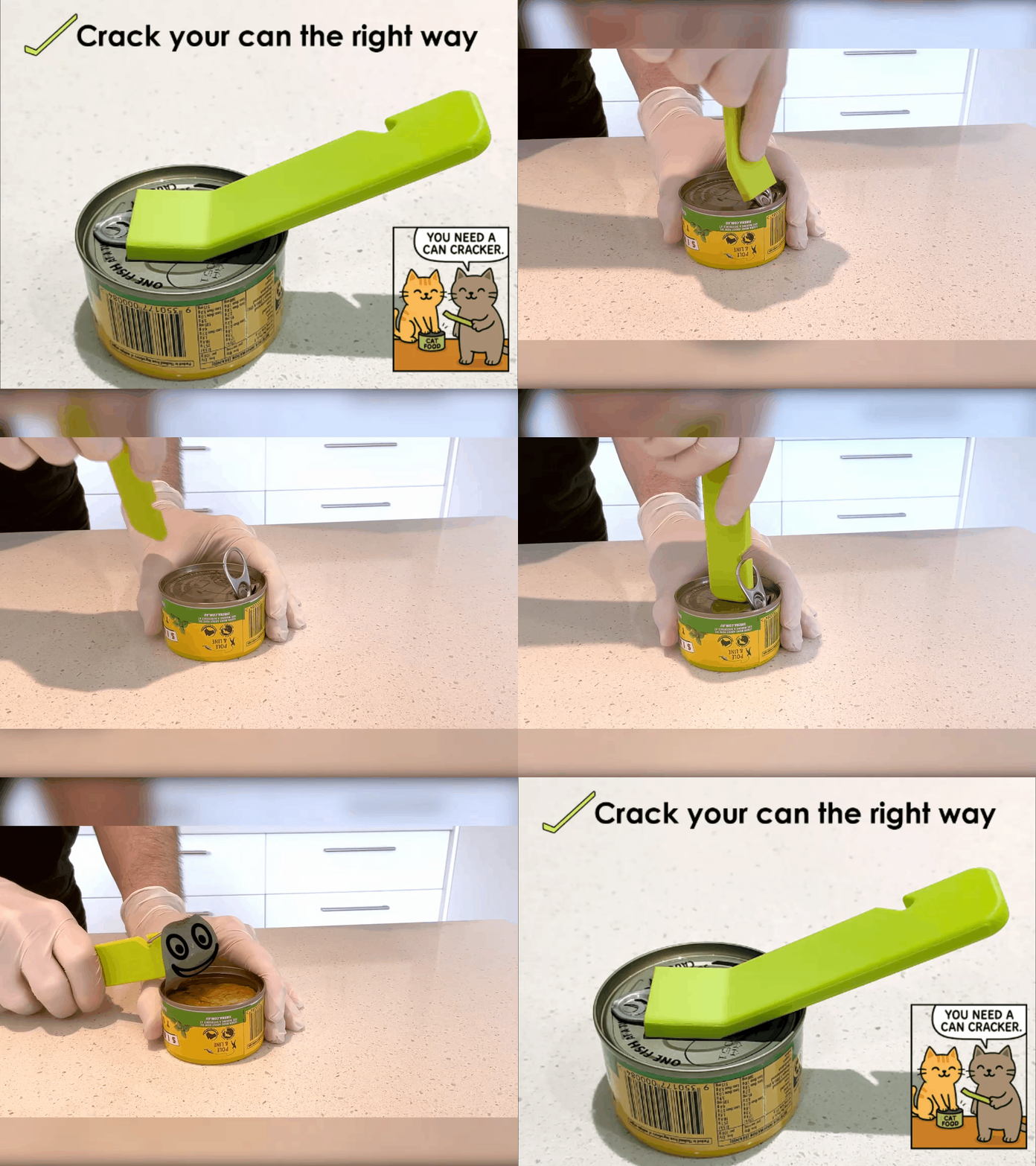

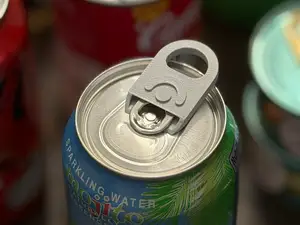

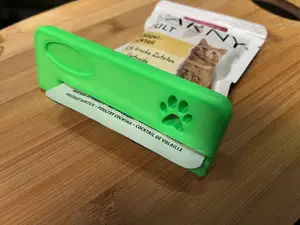

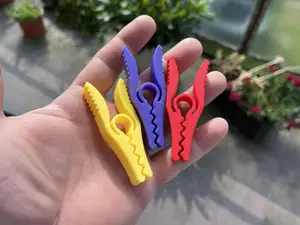

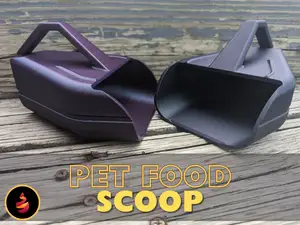
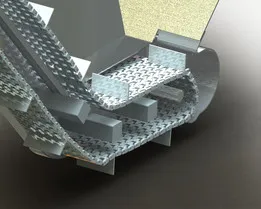


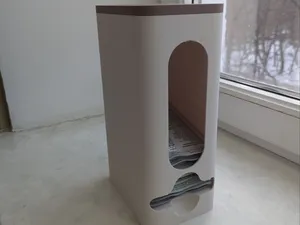
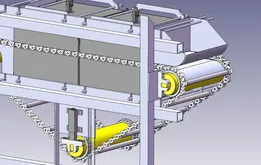
Play food appears in two common forms: full meal sets with several items on one plate, and separate pieces such as bread slices, pasta shapes or fruit skewers that can be printed in different colors. Toy dishes and kitchenware cover cups, saucers, mixers and similar items, often split into a body and a handle. Puzzles and shape boards are usually flat, while toy tools and hand-training models have thicker handles and moving parts.
When choosing a model, open the author's page and look at the stated scale and overall dimensions, since a burger set printed at tabletop size behaves differently from one made for a small hand. Check how many parts need to be printed and whether they are joined by glue, screws or snap fits, and whether the author lists supports, layer height and material. Photos of real prints show how thin walls, small handles and rounded edges come out on a home 3D printer.
If the results feel narrow, try related terms: play kitchen, pretend food, grocery set, tea set, shape sorter, Montessori materials or sensory toys. Searching by food type, such as bread, pasta, fruit or vegetables, brings up single items that can be combined into your own set. For younger children, terms like chunky, rounded or large parts point to models with fewer small pieces.
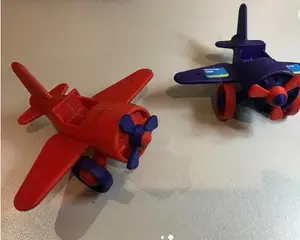
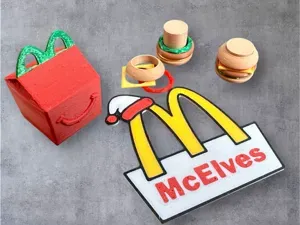


El catálogo completo de temáticas, del hogar al CNC, con búsqueda en todas las plataformas conectadas.