Gratis 
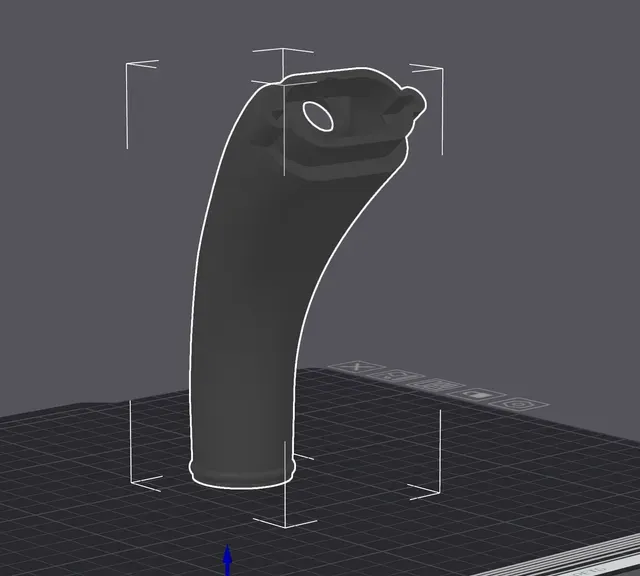
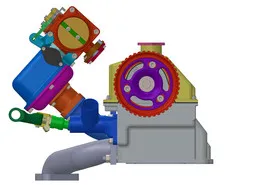
EA888 Gen3 MQB Intake Manifold Scan
Thingiverse
This collection gathers 3D printing files related to EA888 intake systems: manifolds and reproductions, adapters used during intake cleaning, air housings and service funnels. It is useful when a factory part is hard to find or when you need a jig for a specific job. Most entries are STL models meant for a desktop 3D printer, with the occasional larger part split for assembly. Polyzon does not confirm whether models are free, their price, license, official status, affiliation, safety or fitness. Check the current terms at the source.
Esta colección está escrita en inglés, pero la búsqueda funciona en cualquier idioma.
 Una colección de Polyzon · 43 modelos de 4 plataformas
Polyzon reúne esta colección a partir de los resultados de búsqueda de las plataformas conectadas. Se eliminan los duplicados y los modelos sin vista previa, las coincidencias débiles van al final y el resto mantiene el orden de la búsqueda. Los modelos pertenecen a sus autores: consulta las condiciones en la página de cada modelo.
Criterios de selección: el equipo editorial de Polyzon · Texto actualizado el 12/10/2026
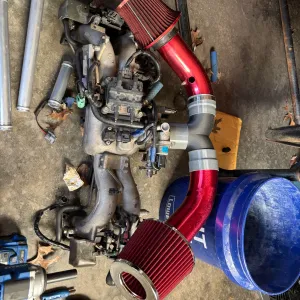

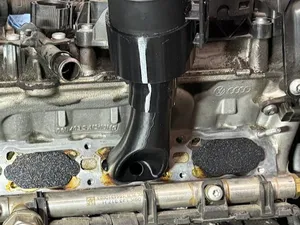
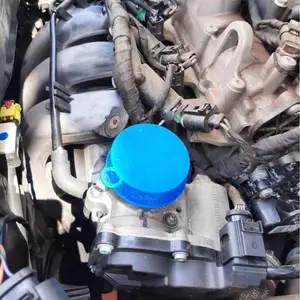
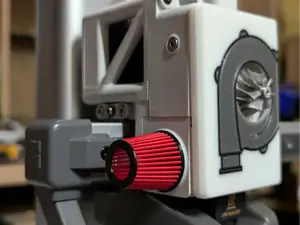
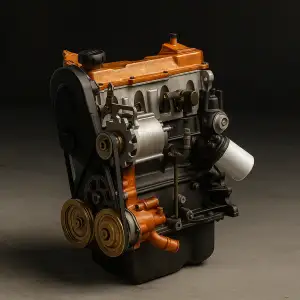

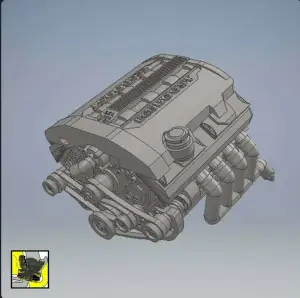
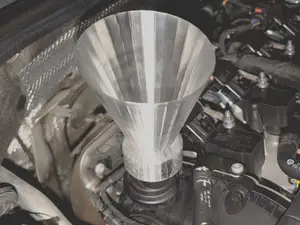

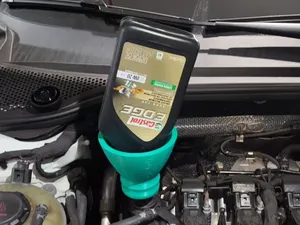
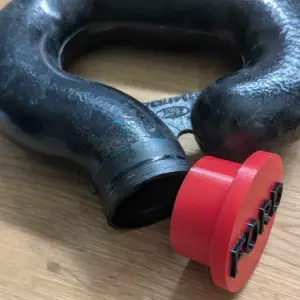
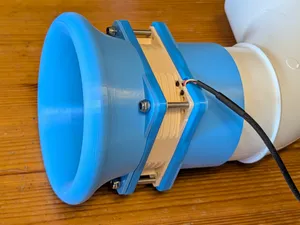
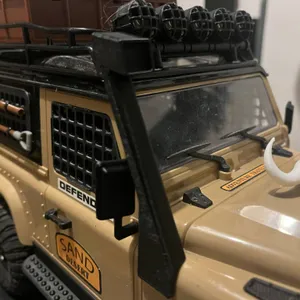

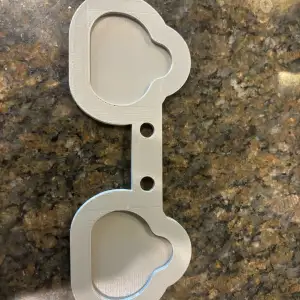

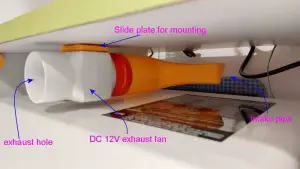
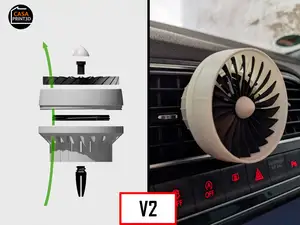
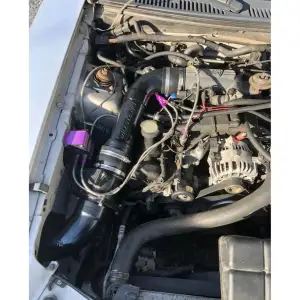
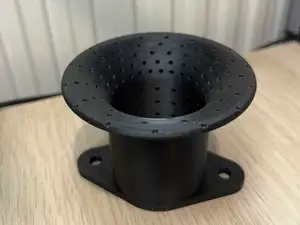
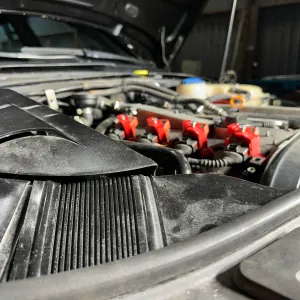
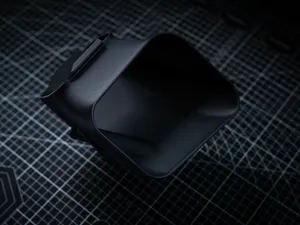
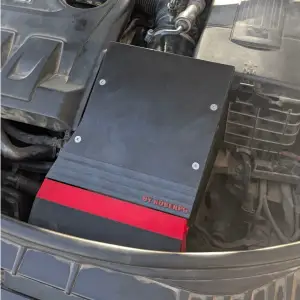
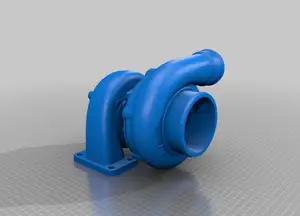
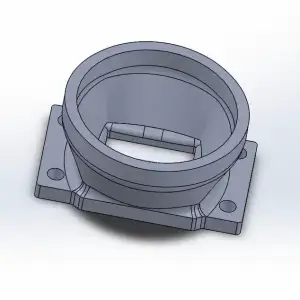
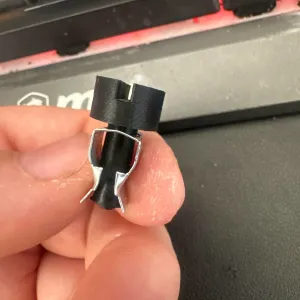
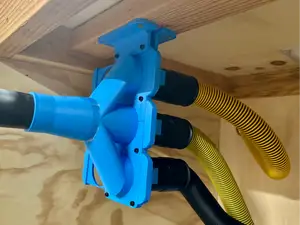
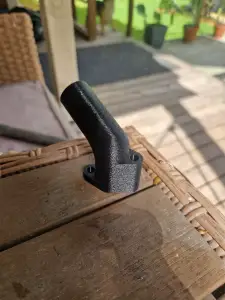



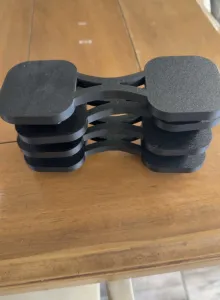

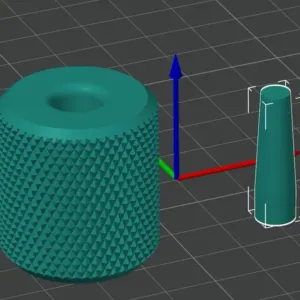
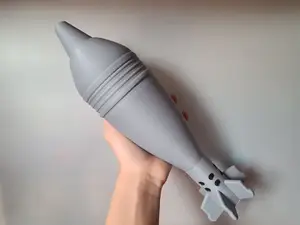
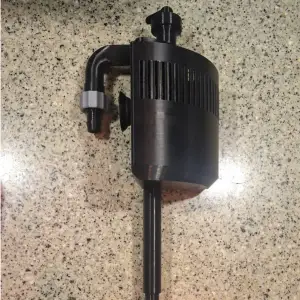
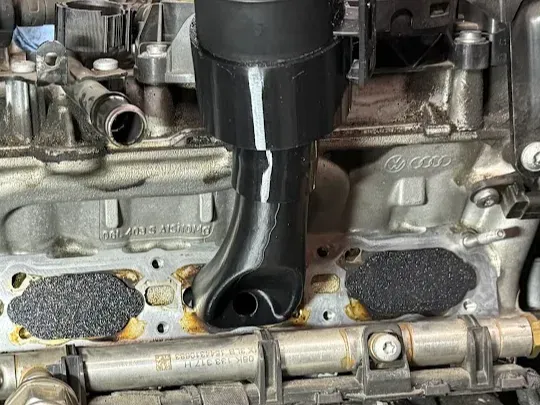
The models fall into a few groups. One group covers intake manifolds and scan-based copies of original housings, often split into sections because of their size. Another covers adapters that connect a vacuum or blasting tool to the intake ports during carbon cleaning. A third covers airboxes, MAF housings and air guides, plus small service items such as funnels and caps. The difference between them matters: a jig only has to hold a hose in place, while a manifold or housing has to match bolt spacing and port geometry.
Before printing, open the author's page and read what is listed there. Check the stated size and scale, how many parts the model has and how they join, whether supports are needed, and which material and settings the author used. Look at photos of real prints rather than renders, since thin walls, overhangs and long bridges show up there first. Parts that sit in an engine bay also see heat, vibration and oil, so the material choice and wall thickness are worth deciding before you start.
Search results improve when you try the terms used by the people who upload these files. Besides the engine code, try intake manifold, plenum, airbox, MAF housing, throttle body adapter, vacuum adapter, walnut blasting or port cleaning. Related topics such as catch cans, boost pipes, intercooler piping and other four-cylinder engine families often lead to adapters that share the same fittings. If a result is close but not exact, look at the author's other uploads and at the tags on the model page.



El catálogo completo de temáticas, del hogar al CNC, con búsqueda en todas las plataformas conectadas.