
Gratis 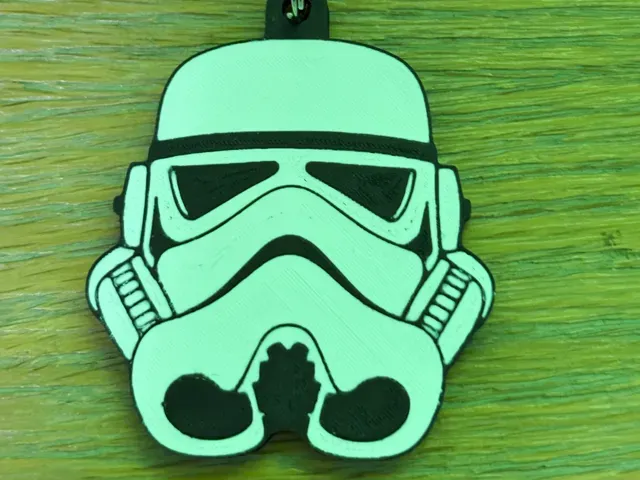
Free To Sell! Stormtrooper Helmet keychain (0.2mm)
MakerWorld
Keychain models cover print-in-place joints, character and emblem shapes, small tool holders and lithophane tags. The collection is useful when you want a small 3D printing project that uses little material and finishes quickly. Each entry leads to the author's page, where the STL files and print notes are listed. Polyzon does not confirm whether models are free, their price, license, official status, affiliation, safety or fitness. Check the current terms at the source.
Esta colección está escrita en inglés, pero la búsqueda funciona en cualquier idioma.
 Una colección de Polyzon · 48 modelos de 5 plataformas
Polyzon reúne esta colección a partir de los resultados de búsqueda de las plataformas conectadas. Se eliminan los duplicados y los modelos sin vista previa, las coincidencias débiles van al final y el resto mantiene el orden de la búsqueda. Los modelos pertenecen a sus autores: consulta las condiciones en la página de cada modelo.
Criterios de selección: el equipo editorial de Polyzon · Texto actualizado el 13/10/2026
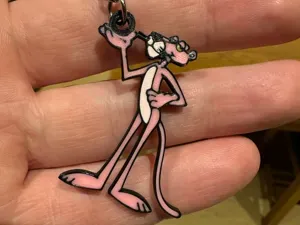

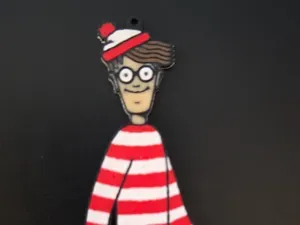
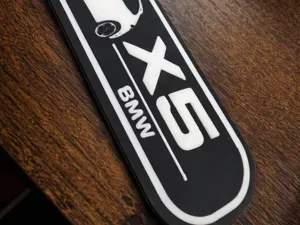
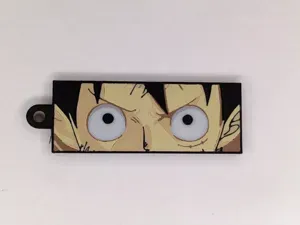

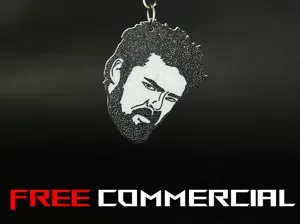

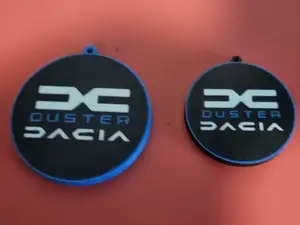
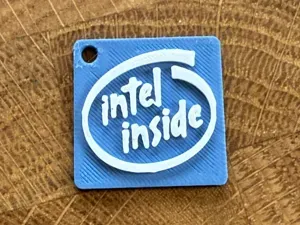
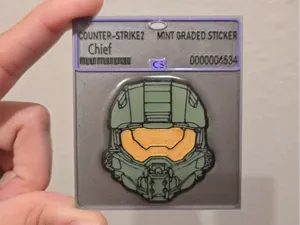
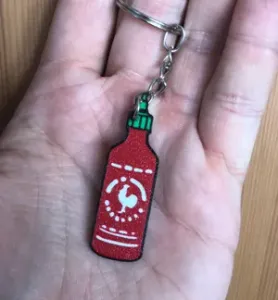

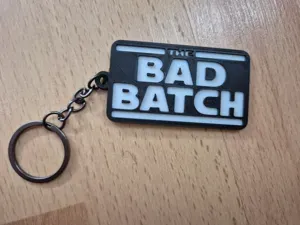
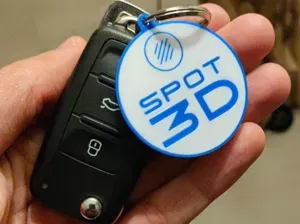
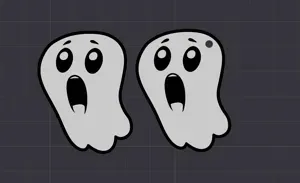

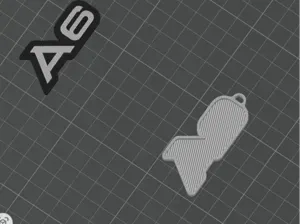
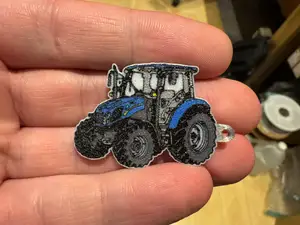

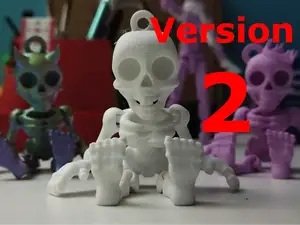

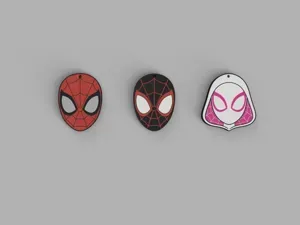
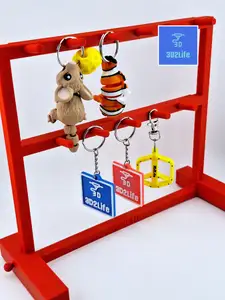


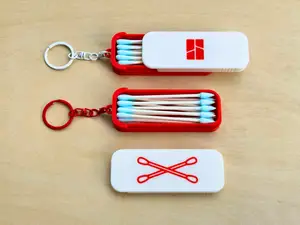
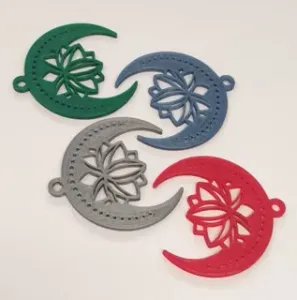
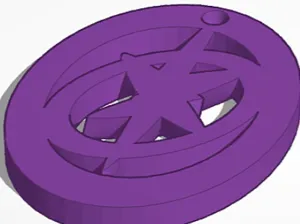

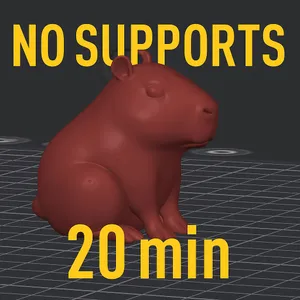
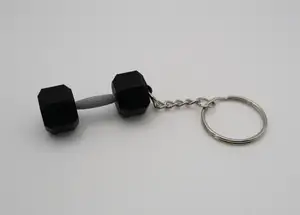
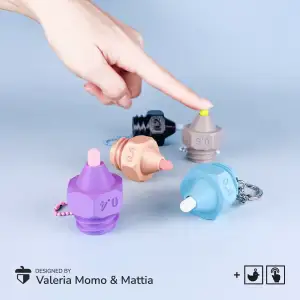
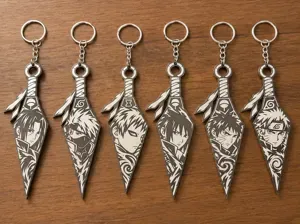


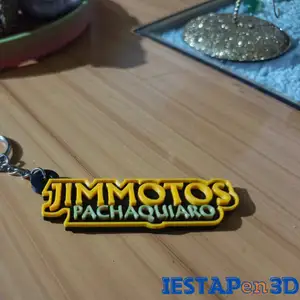
Keychain designs fall into a few practical groups. Print-in-place and articulated pieces come off the plate already connected and moving, while lithophane and photo tags depend on thin walls and light behind them. Character, mascot and emblem keychains are usually flat or relief shapes, and tool or nozzle holders add a loop, socket or clip to a functional object. Letter, number and trophy forms sit between a name tag and a small display piece.
Before printing, open the author's page and read the listed dimensions, since a keychain that looks large in a render can be only a few centimetres across. Check how many parts are involved, whether the design needs supports, and which material and layer height the author used. With print-in-place joints, the clearance between moving parts matters more than overall size, and small text or thin rings are easier to judge from photos of real prints than from renders.
Search results widen quickly if you try related wording: tag, charm, pendant, fob, bag tag or zipper pull often lead to the same kind of object. Adding a theme, an animal, a sport or a tool name narrows the list, while a construction term such as print-in-place, articulated or lithophane shifts it toward a specific build type. Size wording helps as well, because many designs are published in more than one scale.




El catálogo completo de temáticas, del hogar al CNC, con búsqueda en todas las plataformas conectadas.