
Gratis 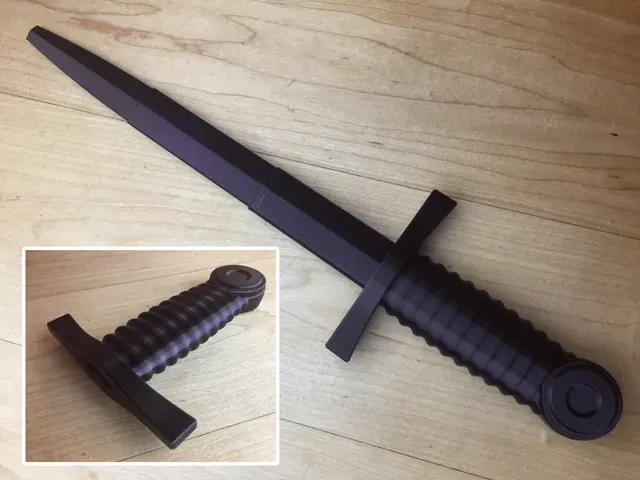
COLLAPSING DAGGER (PRINT IN PLACE)
Printables
This collection gathers dagger models intended for 3D printing, from collapsing print-in-place blades to replicas of weapons seen in games and series. Some are built as display pieces, others as props or costume accessories. Because the files come from many different sources, they vary widely in size, part count and assembly. Polyzon does not confirm whether models are free, their price, license, official status, affiliation, safety or fitness. Check the current terms at the source.
Esta colección está escrita en inglés, pero la búsqueda funciona en cualquier idioma.
 Una colección de Polyzon · 48 modelos de 6 plataformas
Polyzon reúne esta colección a partir de los resultados de búsqueda de las plataformas conectadas. Se eliminan los duplicados y los modelos sin vista previa, las coincidencias débiles van al final y el resto mantiene el orden de la búsqueda. Los modelos pertenecen a sus autores: consulta las condiciones en la página de cada modelo.
Criterios de selección: el equipo editorial de Polyzon · Texto actualizado el 11/10/2026
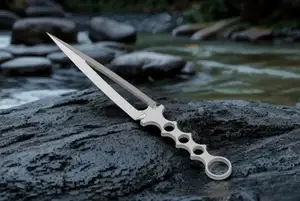

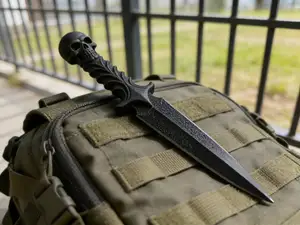
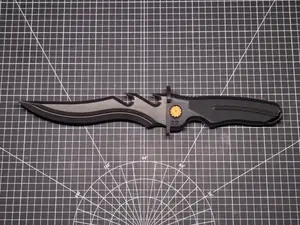

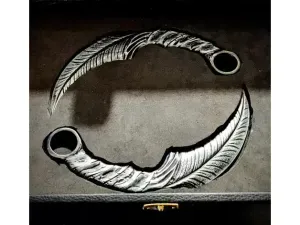


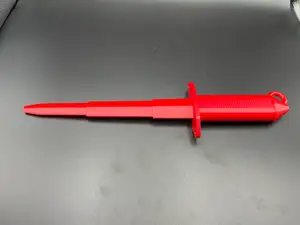


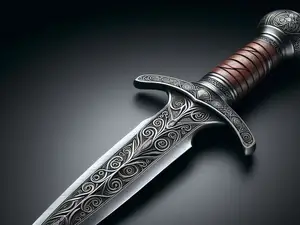


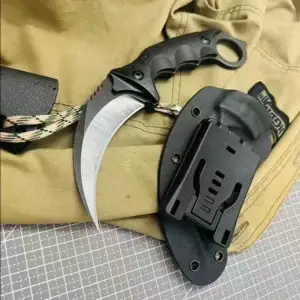


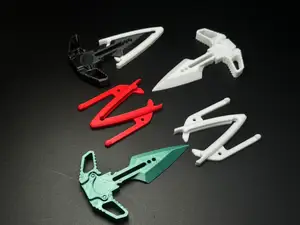
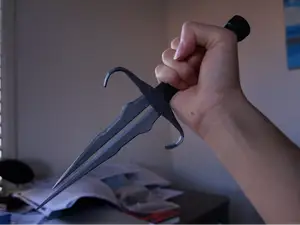

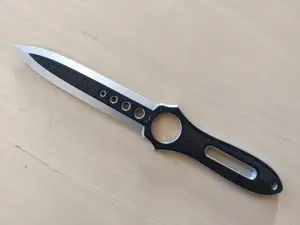
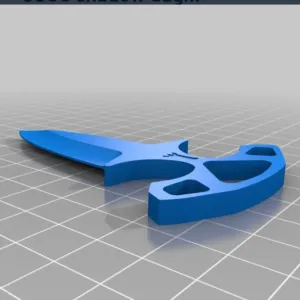

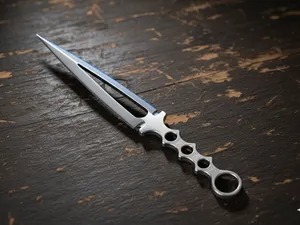


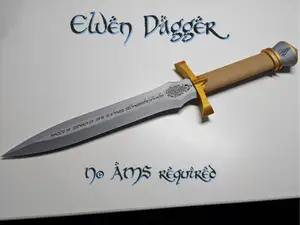
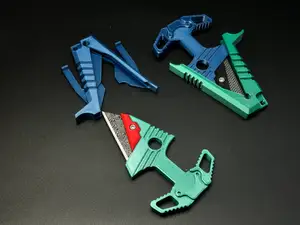
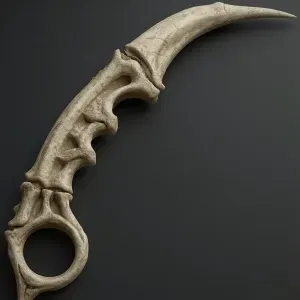

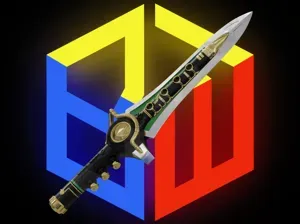
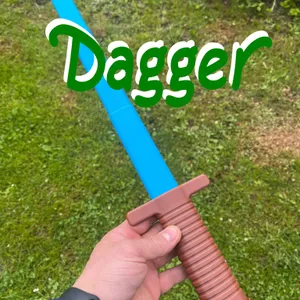
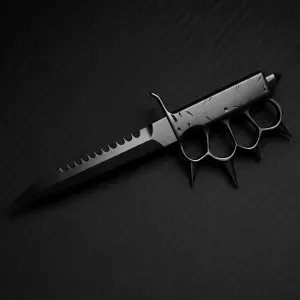
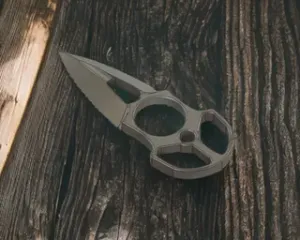


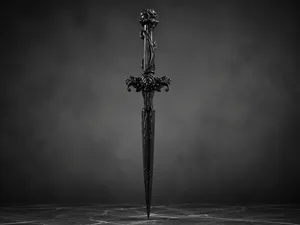
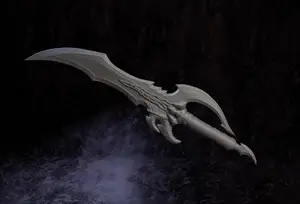


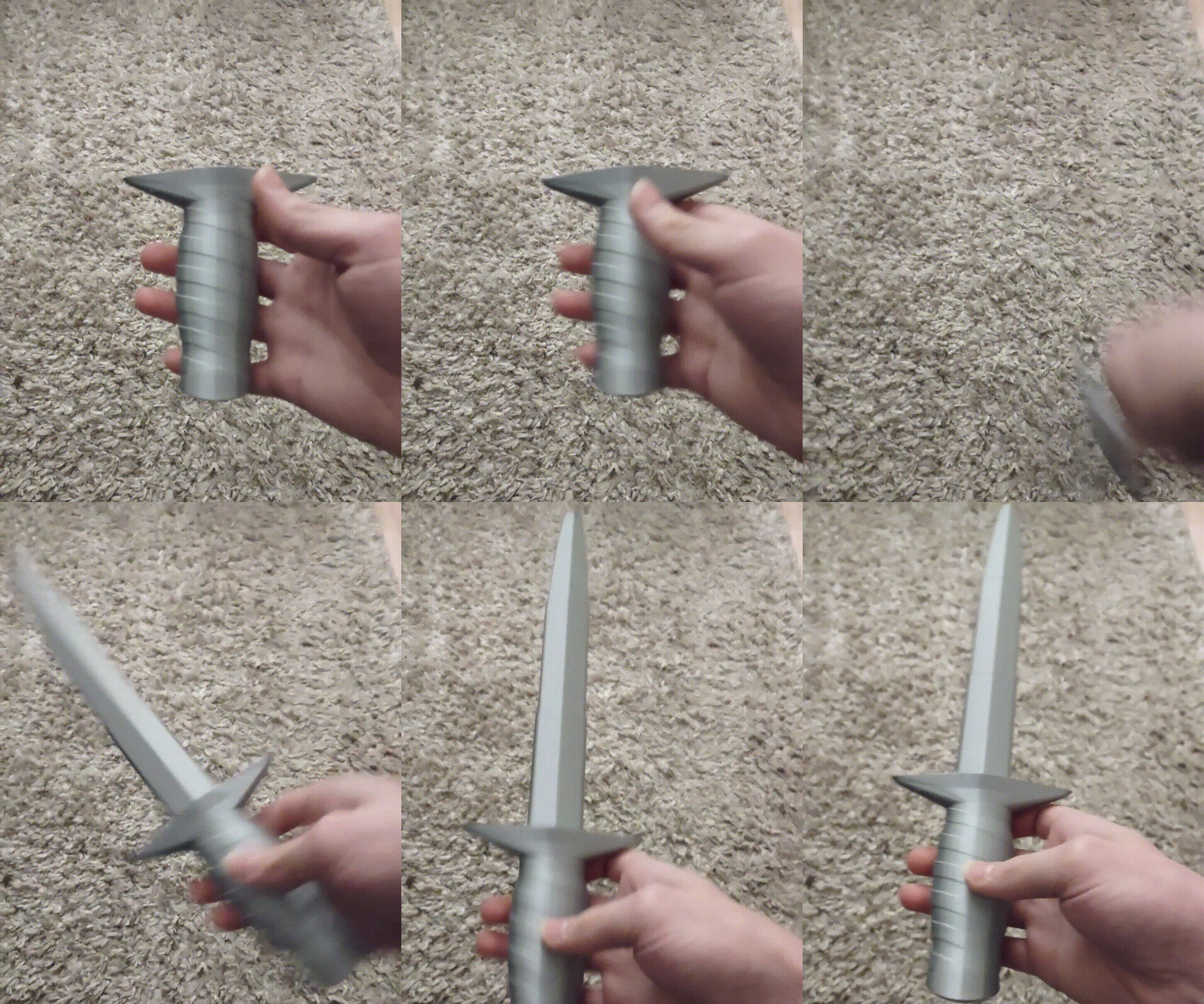


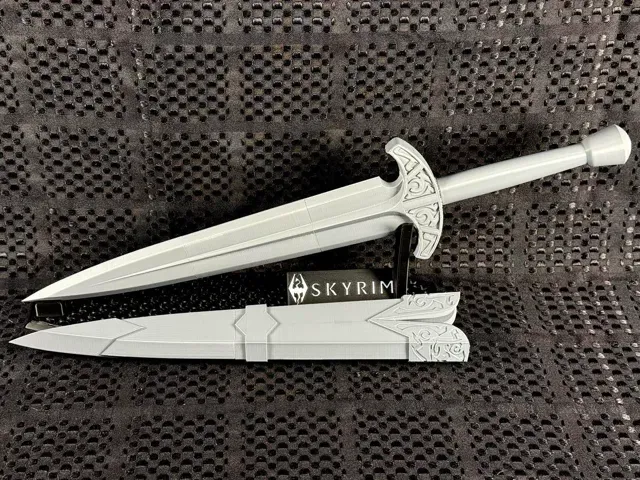
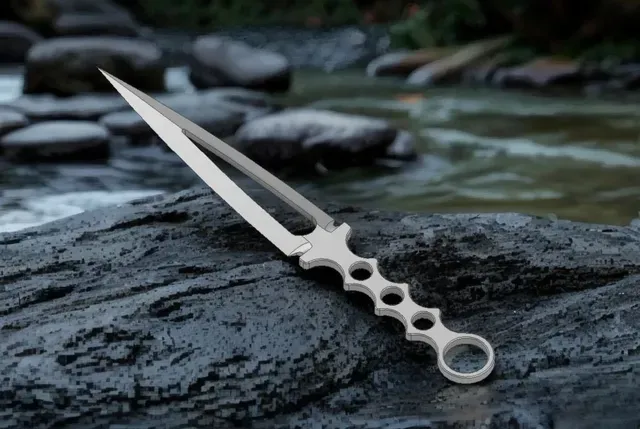
The reference shows several distinct groups. Collapsing and print-in-place daggers are arranged to move straight off the build plate, while game and film replicas copy a specific weapon shape and often include a sheath or detailed hilt. Historical and ethnic styles, such as Viking or Makonde blades, tend to have simpler geometry, and tactical or skeletonized designs focus on cut-out handles and angular profiles.
Before printing, open the author's model page and check the listed dimensions, the number of separate parts and whether supports are needed. Look at the material and settings the author recommends, and at photos of real prints, since thin blades, long unsupported spans and close-fitting moving joints behave differently across materials. Scale matters too: a dagger sized for a costume reads differently from a small desk piece.
If the results feel narrow, try other words for the same object — knife, blade, short sword, letter opener — or search by the setting a design comes from, such as fantasy, medieval or game-inspired weaponry. Related topics like sheaths, display stands, hilts and handles often lead to matching files. Adding a printing term, for example a print-in-place or articulated blade, narrows the list further.



El catálogo completo de temáticas, del hogar al CNC, con búsqueda en todas las plataformas conectadas.