Gratis 
Chinese style Gold bullions
Thingiverse
This collection gathers 3D models built around Chinese visual traditions: animal figures, miniature buildings, tableware and small ornaments. The range is wide, from single-piece display objects to multi-part assemblies, so it covers both quick prints and longer projects. It is a useful starting point if you want Chinese-style STL files for a 3D printer without browsing several catalogues separately. Polyzon does not confirm whether models are free, their price, license, official status, affiliation, safety or fitness. Check the current terms at the source.
Esta colección está escrita en inglés, pero la búsqueda funciona en cualquier idioma.
 Una colección de Polyzon · 48 modelos de 4 plataformas
Polyzon reúne esta colección a partir de los resultados de búsqueda de las plataformas conectadas. Se eliminan los duplicados y los modelos sin vista previa, las coincidencias débiles van al final y el resto mantiene el orden de la búsqueda. Los modelos pertenecen a sus autores: consulta las condiciones en la página de cada modelo.
Criterios de selección: el equipo editorial de Polyzon · Texto actualizado el 14/10/2026


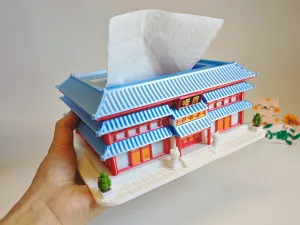






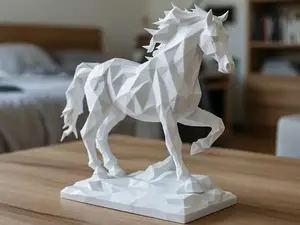
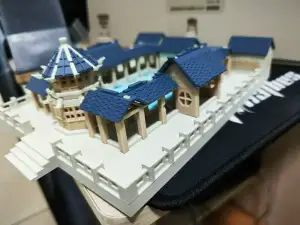


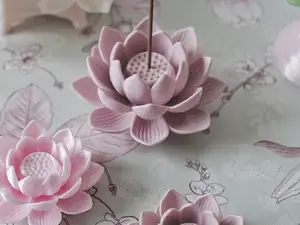
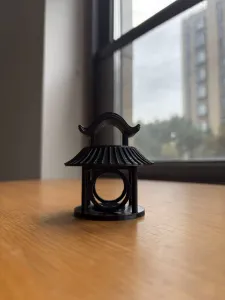



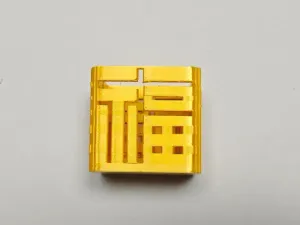



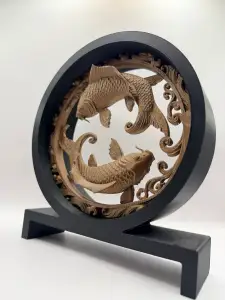


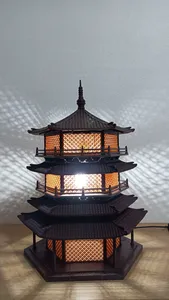
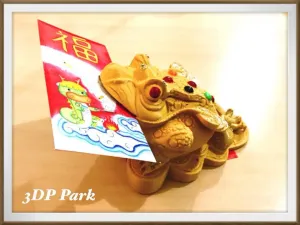

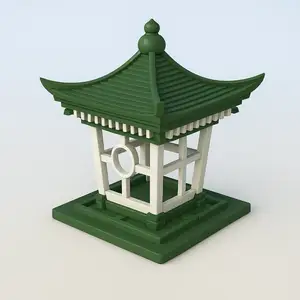

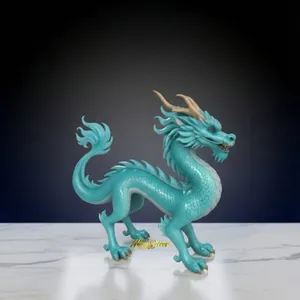

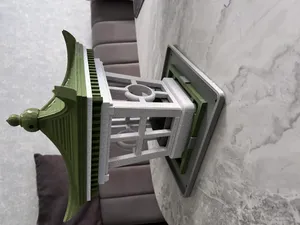
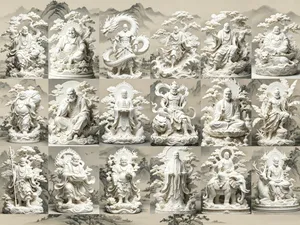
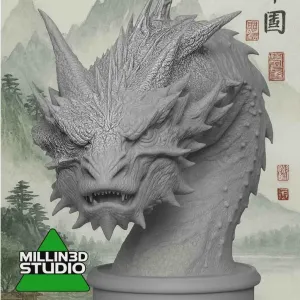

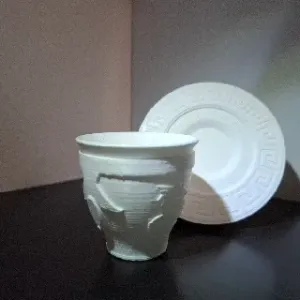
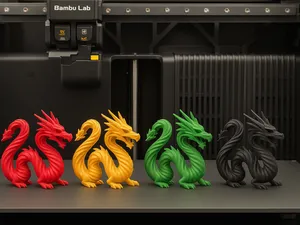
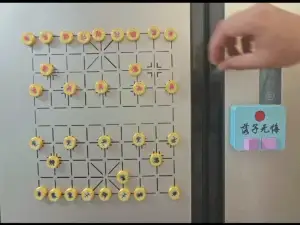


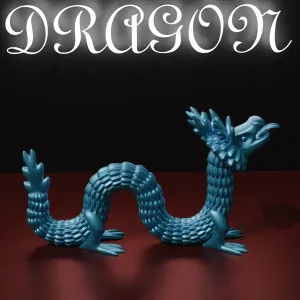
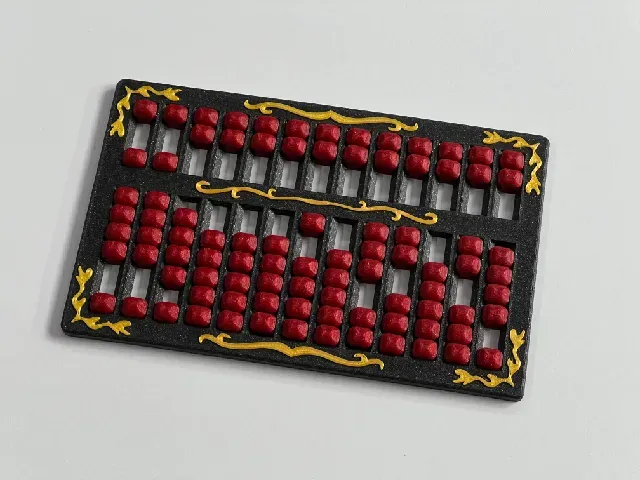
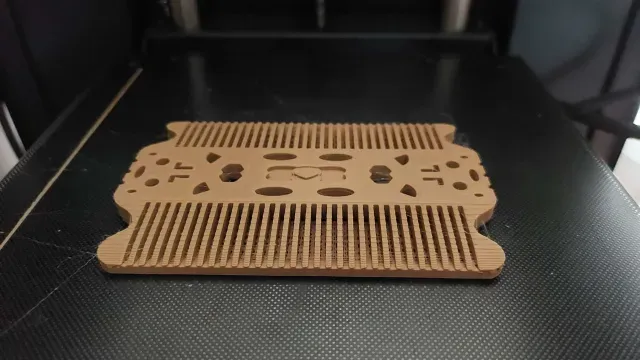
The models fall into a few recognizable groups. Animal and figure sculptures are usually solid display pieces, while architectural miniatures such as pavilions and garden buildings tend to be split into several parts. Tableware and desk objects — trays, combs, seals, counting frames — sit closer to everyday use, and lanterns or incense holders often combine a decorative shell with a simple functional core.
When choosing a model, open the author's page and read the listed dimensions and scale first, since ornamental pieces vary a lot in size. Check how many parts are included and whether they are meant to be glued or joined with pins, and look at whether the author expects supports. The material and settings the author lists, plus photos of real prints, tell you more than the render does.
To widen or narrow the results, try related wording: Chinese-style, oriental, traditional, temple, pagoda, dragon, lotus, celadon or porcelain. Combining a subject with a use — ornament, planter, lamp, box, chess piece — usually returns a more focused set than the style term alone.
For multi-part buildings and figures, plan the print orientation before slicing, as thin roof edges and small details are the parts most likely to need attention. Small decorative pieces often print well at a reduced scale, but check that wall thickness still holds after scaling. If a model has moving or interlocking elements, verify the clearance the author describes before committing to a full plate.


El catálogo completo de temáticas, del hogar al CNC, con búsqueda en todas las plataformas conectadas.