
Gratis 
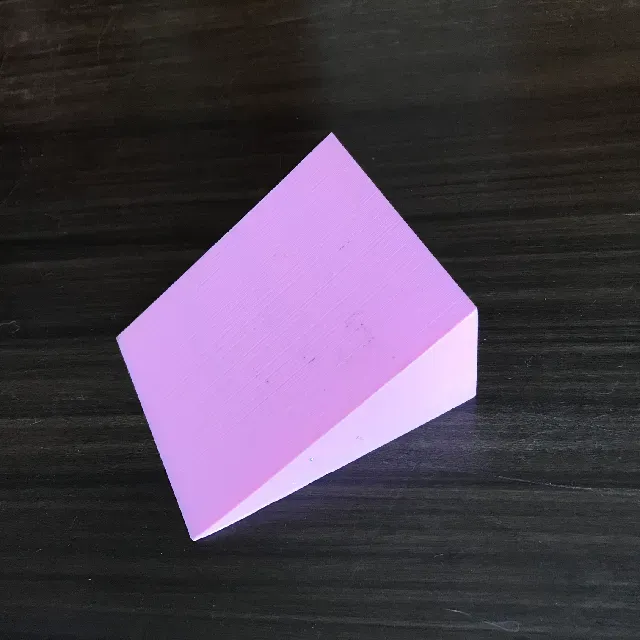
Регулятор высоты и клин ORTUR LASER MASTER2 Z
Cults3D
The collection brings together wedge-shaped 3D models made for 3D printing: door stoppers, thin shims, sanding blocks and parametric generators. Many of them solve small household or workshop tasks, while others are mechanical parts such as pulleys and friction bars. The same idea appears here in different sizes and levels of detail, so you can compare approaches before slicing. Polyzon does not confirm whether models are free, their price, license, official status, affiliation, safety or fitness. Check the current terms at the source.
Esta colección está escrita en inglés, pero la búsqueda funciona en cualquier idioma.
 Una colección de Polyzon · 48 modelos de 4 plataformas
Polyzon reúne esta colección a partir de los resultados de búsqueda de las plataformas conectadas. Se eliminan los duplicados y los modelos sin vista previa, las coincidencias débiles van al final y el resto mantiene el orden de la búsqueda. Los modelos pertenecen a sus autores: consulta las condiciones en la página de cada modelo.
Criterios de selección: el equipo editorial de Polyzon · Texto actualizado el 11/10/2026


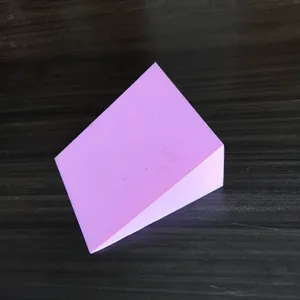





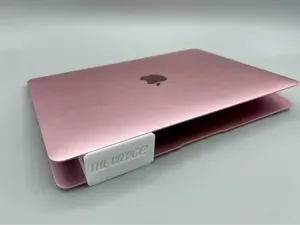


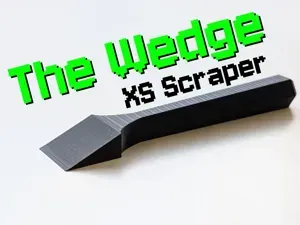

Door stoppers form one large group, usually printed as a single piece with a sloped face and sometimes a hollow honeycomb core. Shims and packers are flat, thin plates that come as sets or snap apart, so they differ mainly in thickness steps. Sanding wedges combine a wedge profile with a flat face that holds abrasive paper, while mechanical wedges such as pulleys or friction bars are dimensioned around a shaft or a gap.
Before printing, read the author's model page: overall size and scale, wall thickness, the number of separate parts and how they join, and whether supports are needed. The material and settings listed there matter for thin shims, which can bend, and for parts that carry load. Photos of real prints show how edges, holes and fits come out on a home 3D printer.
Search terms can be widened or narrowed: door wedge, door stop, packer, leveling shim, sanding block, abrasive holder, parametric wedge or keyway. Related topics include furniture feet, pegboard mounts, cable guides and workshop jigs, which often reuse the same sloped geometry. Adding a size, a shaft diameter or a gap height to the query helps when the part has to match something you already have.

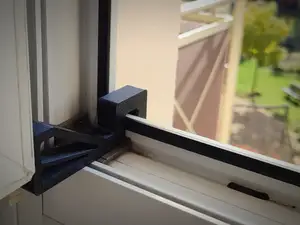


El catálogo completo de temáticas, del hogar al CNC, con búsqueda en todas las plataformas conectadas.

