
Gratis 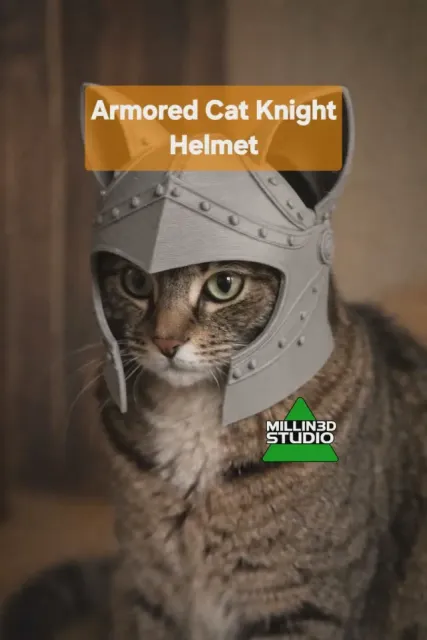
Armored Cat Knight Helmet
Creality Cloud
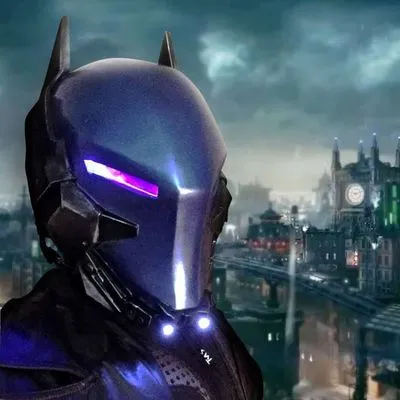
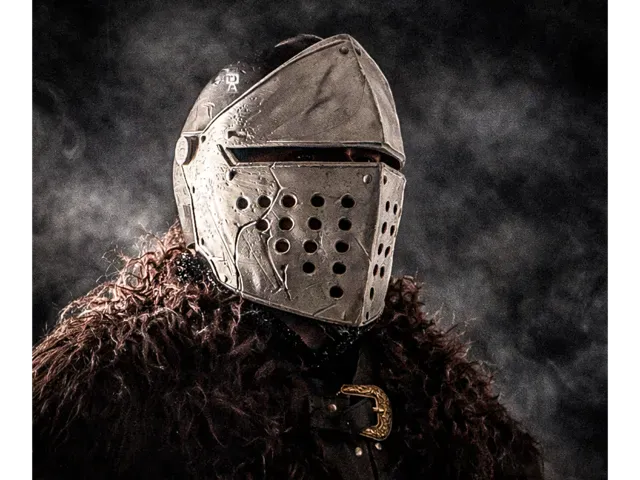
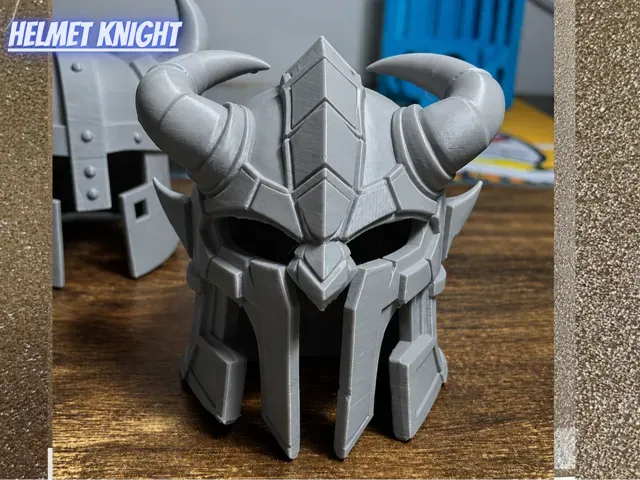
This collection gathers knight helmet 3D models in several directions: historical-looking helmets, wearable pieces for cosplay, versions inspired by games and films, and small helmets scaled for figures or bricks. It is useful when you want a single starting point for 3D printing a helmet and then compare how different authors approach shape, thickness and assembly. Each listing links to the author's page, where the STL files and print notes live. Polyzon does not confirm whether models are free, their price, license, official status, affiliation, safety or fitness. Check the current terms at the source.
Esta colección está escrita en inglés, pero la búsqueda funciona en cualquier idioma.
 Una colección de Polyzon · 48 modelos de 7 plataformas
Polyzon reúne esta colección a partir de los resultados de búsqueda de las plataformas conectadas. Se eliminan los duplicados y los modelos sin vista previa, las coincidencias débiles van al final y el resto mantiene el orden de la búsqueda. Los modelos pertenecen a sus autores: consulta las condiciones en la página de cada modelo.
Criterios de selección: el equipo editorial de Polyzon · Texto actualizado el 10/10/2026
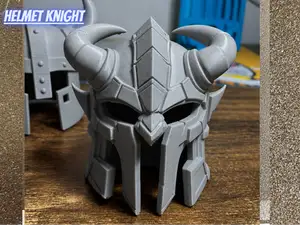


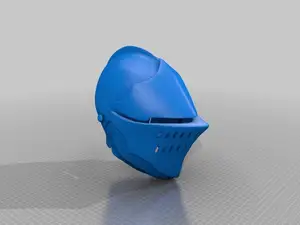

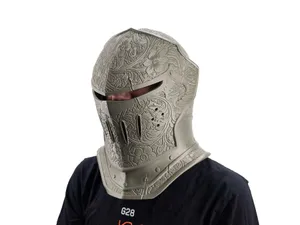


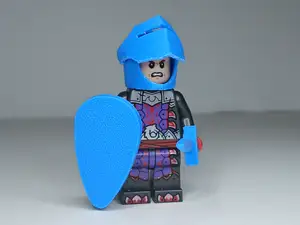

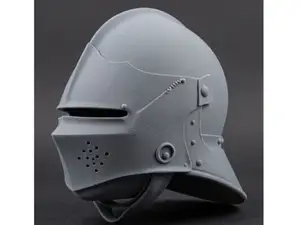
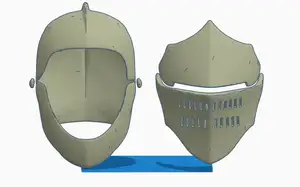

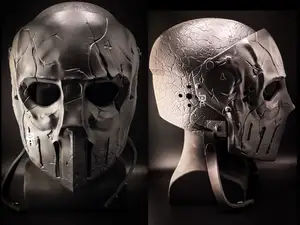

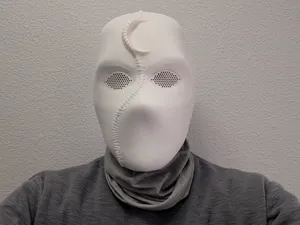

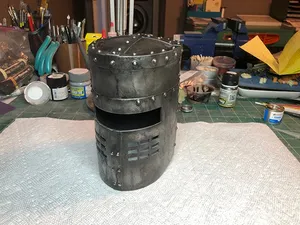
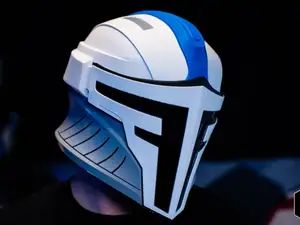


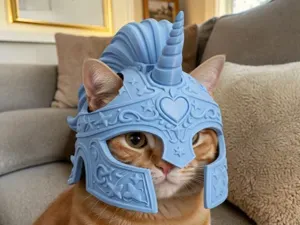

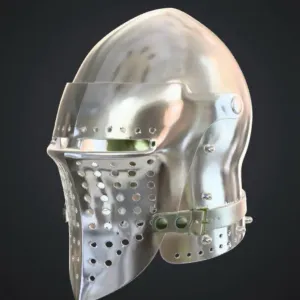

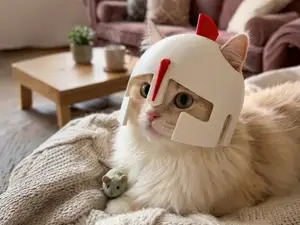


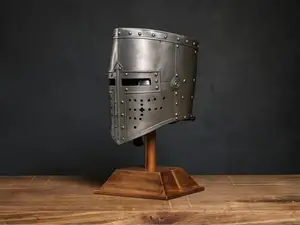


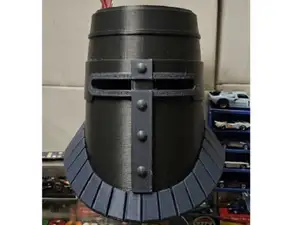
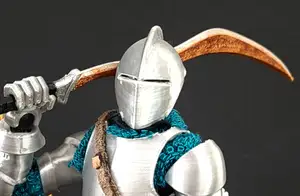
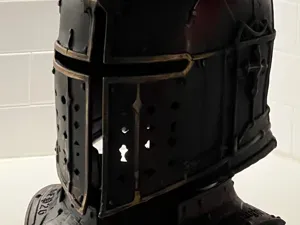


The models differ mainly in purpose. Display helmets usually keep a solid, closed shell and focus on surface detail such as ridges, visors and decorative trim. Wearable versions are split into several parts so they can be printed on a common bed and joined afterwards, and they often include a visor that moves or a padded interior. Small-scale helmets for figures and bricks are simplified, with thicker walls relative to their size.
Before printing, read the author's page for the outer dimensions and scale, since the same helmet can be offered at life size or reduced. Check how many parts the model is divided into, whether the visor and other moving elements are separate, and whether the author used supports or oriented the parts to avoid them. Material and settings matter as well: larger shells are often printed in a tough filament with thicker walls, while detailed display pieces may be printed in resin. Photos of finished prints show how the surfaces and seams actually look.
If the results feel too broad, narrow them with related terms. Try "medieval helmet", "great helm", "barbute", "sallet" or "armour" for historical shapes, and "wearable", "cosplay" or "mask" for pieces meant to be worn. For game and film subjects, search by the character or franchise name rather than by helmet alone. Adding a scale such as "1/6" or "miniature", or a printer name, helps when you need a specific size or a model already split for a particular build volume.




El catálogo completo de temáticas, del hogar al CNC, con búsqueda en todas las plataformas conectadas.