Gratis 
3D Knot
Thingiverse
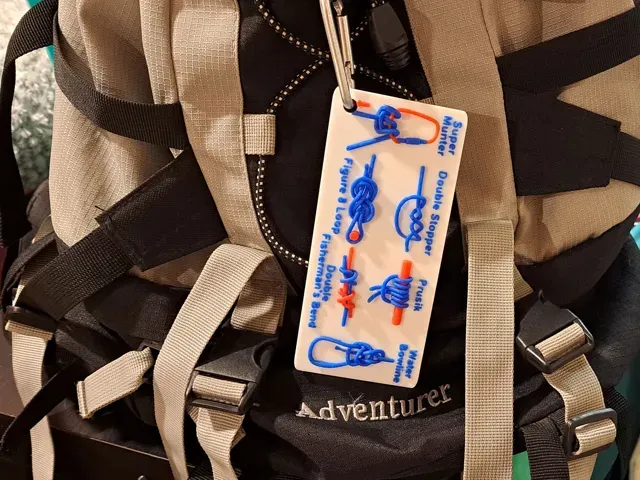
This collection gathers 3D models built around knots: tying aids, jigs, practice boards, decorative shapes and puzzles. It is useful when you want a printable object that solves a tying problem or simply reproduces a knot as a form. Most files are small enough for a standard 3D printer, though the thin cords and loops in decorative pieces need a closer look at scale. Polyzon does not confirm whether models are free, their price, license, official status, affiliation, safety or fitness. Check the current terms at the source.
Esta colección está escrita en inglés, pero la búsqueda funciona en cualquier idioma.
 Una colección de Polyzon · 47 modelos de 5 plataformas
Polyzon reúne esta colección a partir de los resultados de búsqueda de las plataformas conectadas. Se eliminan los duplicados y los modelos sin vista previa, las coincidencias débiles van al final y el resto mantiene el orden de la búsqueda. Los modelos pertenecen a sus autores: consulta las condiciones en la página de cada modelo.
Criterios de selección: el equipo editorial de Polyzon · Texto actualizado el 15/10/2026
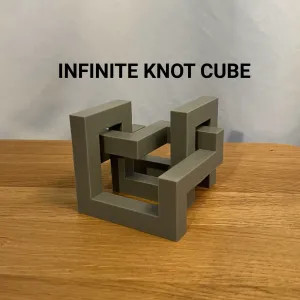


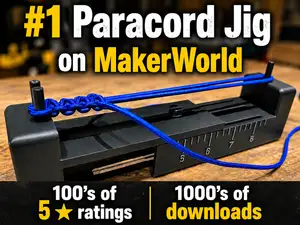
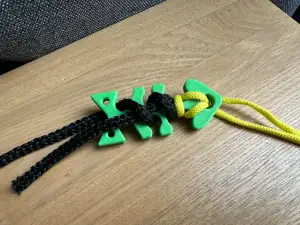


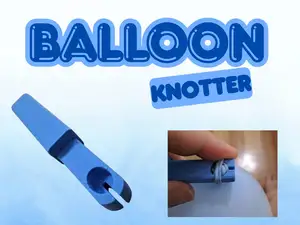



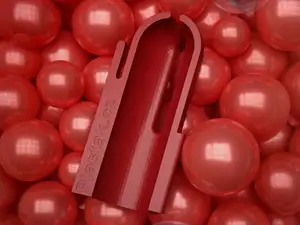
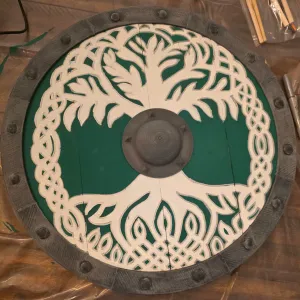


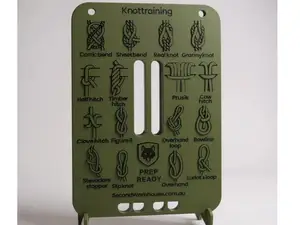
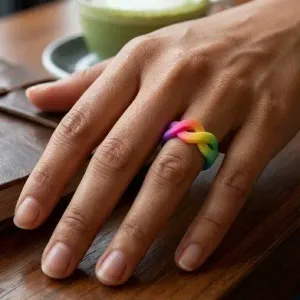

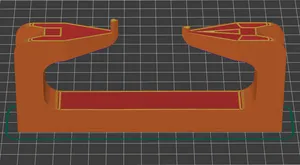
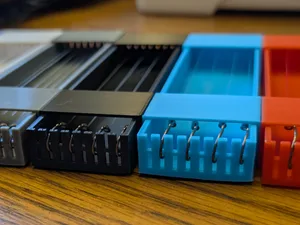


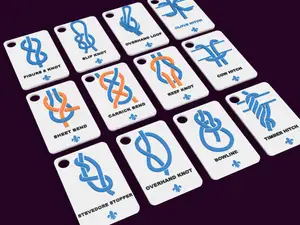
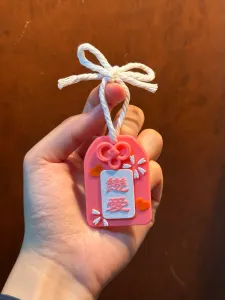


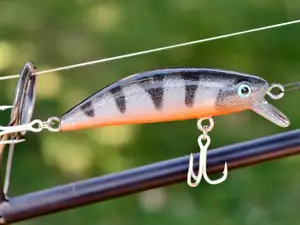


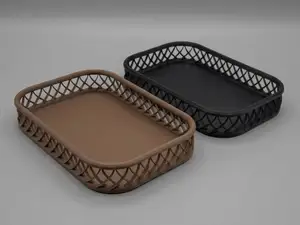
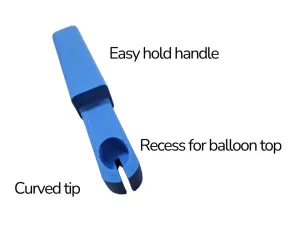


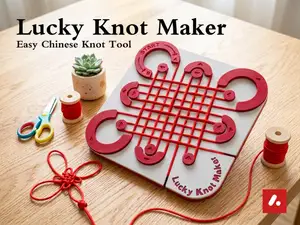
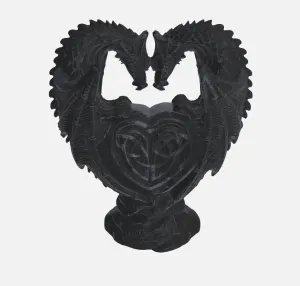


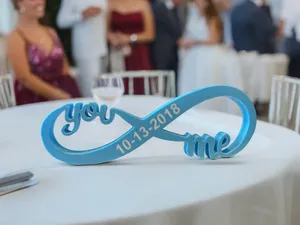


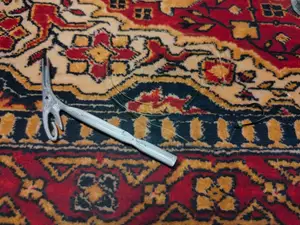
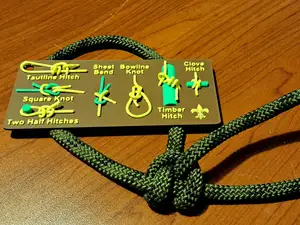
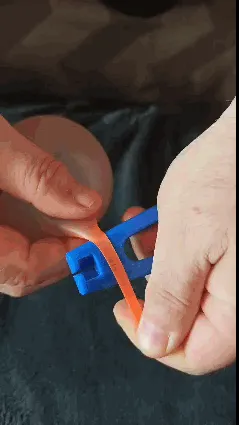
The models fall into a few groups. Tying tools and jigs hold a line or cord while you form a loop, and they are usually flat parts with slots and channels. Decorative and mathematical knots, rings and puzzles are solid shapes where the knot itself is the object. Balloon helpers and practice boards sit in between: they guide a repeated motion rather than reproducing a knot as geometry.
When choosing a file, read the author's page for the cord or line diameter the tool is shaped around, since a slot sized for one thickness will not grip another. For decorative pieces, check the overall size and scale, the wall thickness where strands cross, and whether the model is one piece or several parts that need assembly. Photos of real prints show how the overhangs and thin sections actually come out, and the author's listed material and settings tell you whether a flexible filament or a rigid one was used.
Search terms can be widened or narrowed depending on what you need. Tool-oriented results come up under tying jig, line knotter, cord tensioner or paracord jig, while decorative work is easier to find with celtic knot, torus knot, knot ring or knot puzzle. Related topics such as rope, cord, macrame, fishing and sailing often lead to models that the word knot alone misses.




El catálogo completo de temáticas, del hogar al CNC, con búsqueda en todas las plataformas conectadas.