Gratis 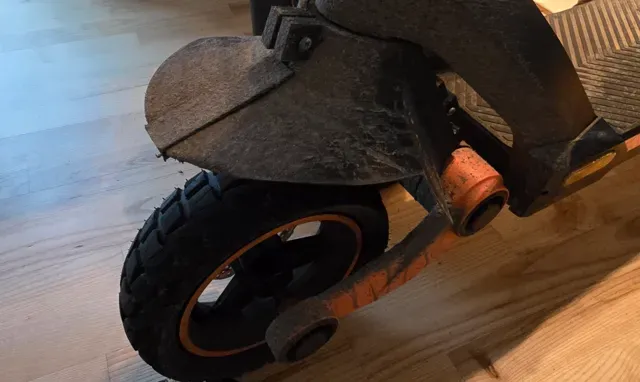
KUGOO KIRIN G3 FRONT FENDER MUDGUARD
MakerWorld
This collection gathers printable parts that show up around the Kugoo V3 Pro and neighbouring scooter and printer topics: fenders, body add-ons, holders, ducts and small mechanical pieces. Most of it is aimed at people who already own a 3D printer and want to replace or adapt a part rather than buy a whole assembly. The files come from several platforms, so each entry leads to its own page with the author's notes. Polyzon does not confirm whether models are free, their price, license, official status, affiliation, safety or fitness. Check the current terms at the source.
Esta colección está escrita en inglés, pero la búsqueda funciona en cualquier idioma.
 Una colección de Polyzon · 40 modelos de 2 plataformas
Polyzon reúne esta colección a partir de los resultados de búsqueda de las plataformas conectadas. Se eliminan los duplicados y los modelos sin vista previa, las coincidencias débiles van al final y el resto mantiene el orden de la búsqueda. Los modelos pertenecen a sus autores: consulta las condiciones en la página de cada modelo.
Criterios de selección: el equipo editorial de Polyzon · Texto actualizado el 11/10/2026
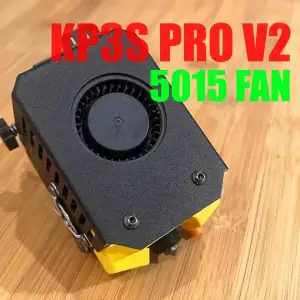
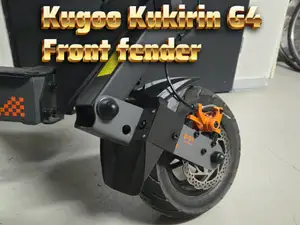
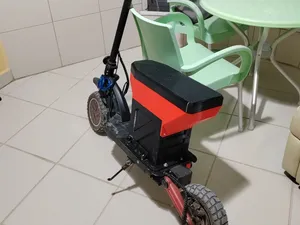
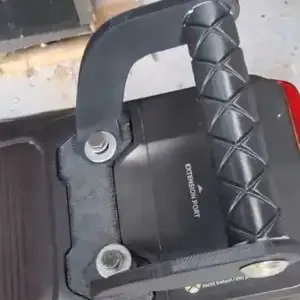
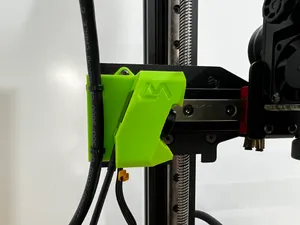
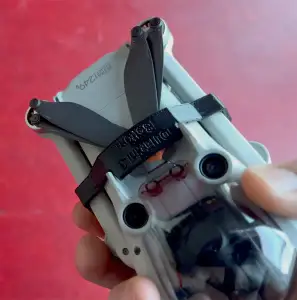
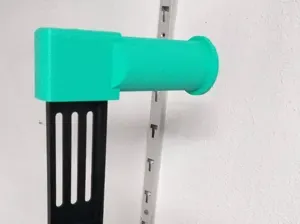
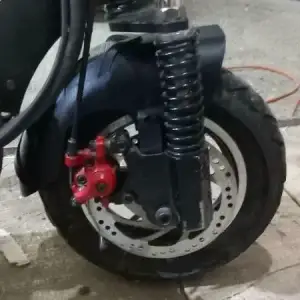
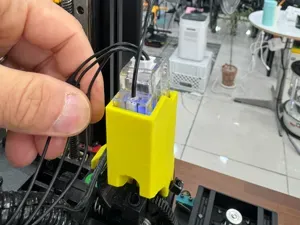
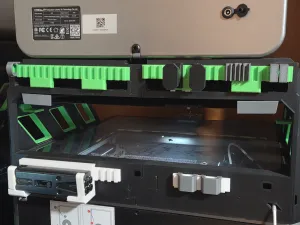
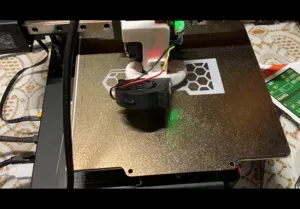
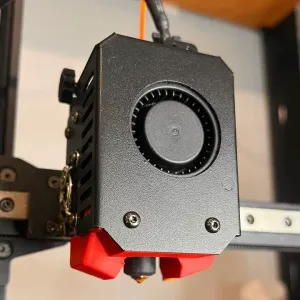

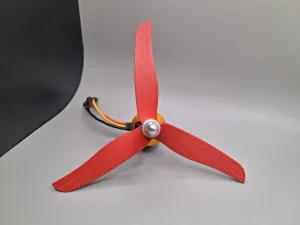
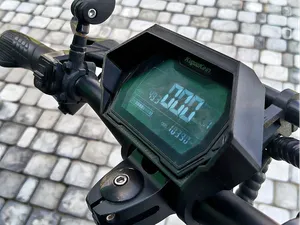
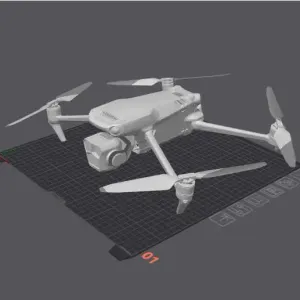
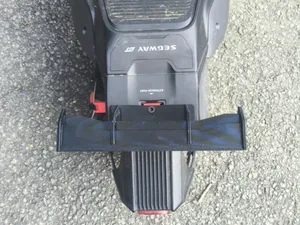
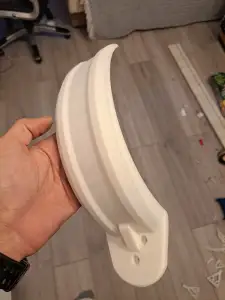
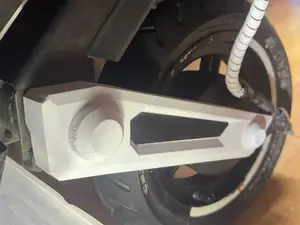
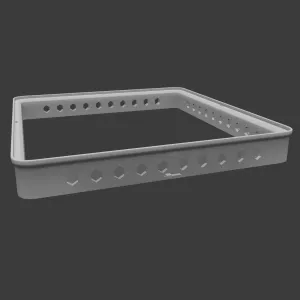
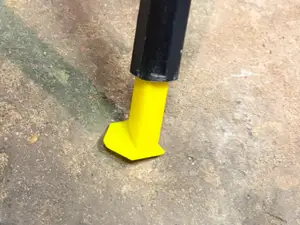
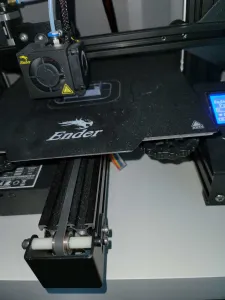
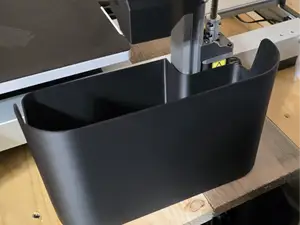
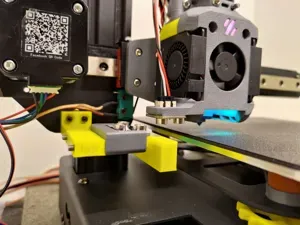
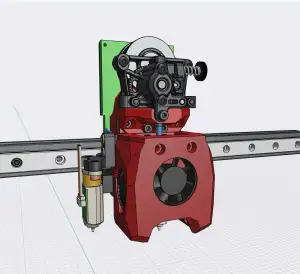
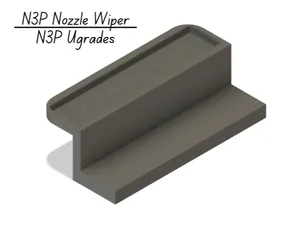
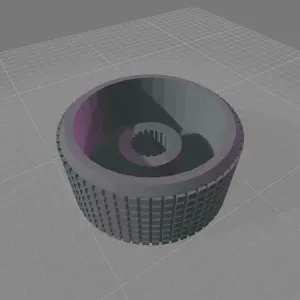
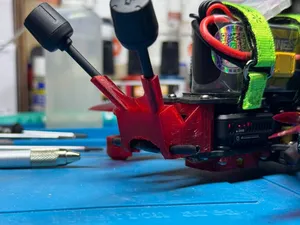
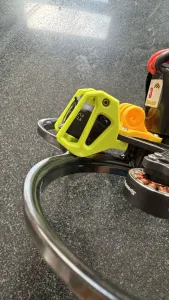
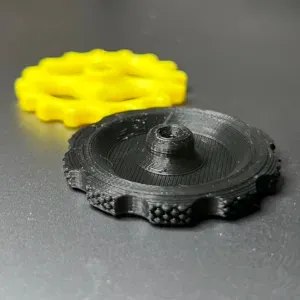
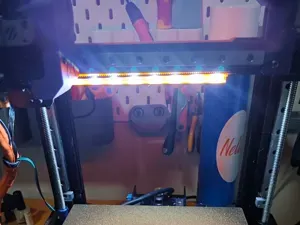
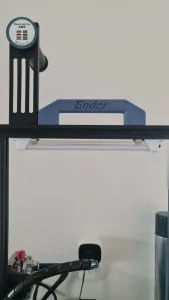
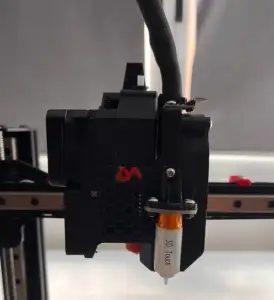
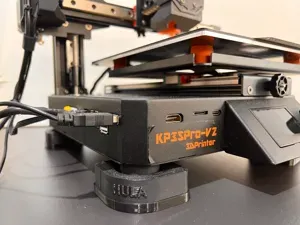
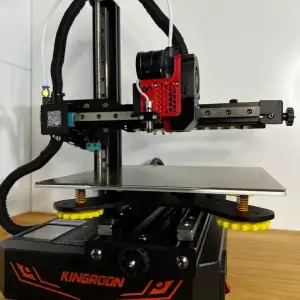
The models fall into a few distinct groups. Scooter parts are mostly body panels and add-ons — fenders, mudguards, seats, wind deflectors — shaped to follow a specific deck or fork. Printer parts are different in nature: fan ducts, direct-mount plates and toolhead holders that are designed around a hotend and a fan size. Holders for cameras, webcams and phones sit between the two, since they are usually brackets with a clamp or a screw interface.
Before printing, compare the dimensions on the model page with your own machine or scooter. Check how many separate parts the author lists, whether they are meant to be glued or bolted together, and whether the geometry needs supports. Look at the material and settings the author mentions, especially for parts that stay outdoors or near heat, and read the photos of real prints to judge wall thickness and fit. Small differences in hole spacing or curvature are the usual reason a part does not line up.
If the results feel narrow, try the words people use for the same object: mudguard instead of fender, electric scooter or e-scooter instead of a brand name, windshield or visor for a front deflector. For printer accessories, search by the fan size, the hotend type or the phrase toolhead mount. Related topics such as scooter stands, phone mounts, battery covers or drone propeller guards often lead to models that share the same mounting pattern.



El catálogo completo de temáticas, del hogar al CNC, con búsqueda en todas las plataformas conectadas.