Gratis 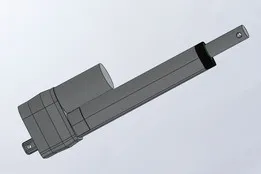
Linear Actuator
GrabCAD
This collection gathers 3D models for linear actuators, from small servo-driven units to long C-beam slides and screw-driven assemblies. Most files are meant to be printed on a common FDM 3D printer and combined with standard motors, servos or bearings. It is a starting point for builders who need controlled linear motion in a project. Polyzon does not confirm whether models are free, their price, license, official status, affiliation, safety or fitness. Check the current terms at the source.
Esta colección está escrita en inglés, pero la búsqueda funciona en cualquier idioma.
 Una colección de Polyzon · 48 modelos de 5 plataformas
Polyzon reúne esta colección a partir de los resultados de búsqueda de las plataformas conectadas. Se eliminan los duplicados y los modelos sin vista previa, las coincidencias débiles van al final y el resto mantiene el orden de la búsqueda. Los modelos pertenecen a sus autores: consulta las condiciones en la página de cada modelo.
Criterios de selección: el equipo editorial de Polyzon · Texto actualizado el 11/10/2026


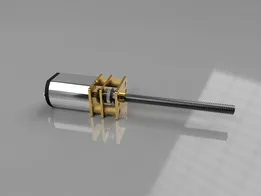

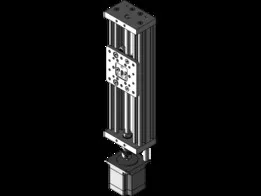
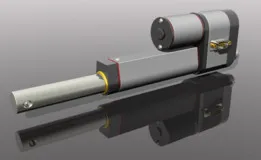




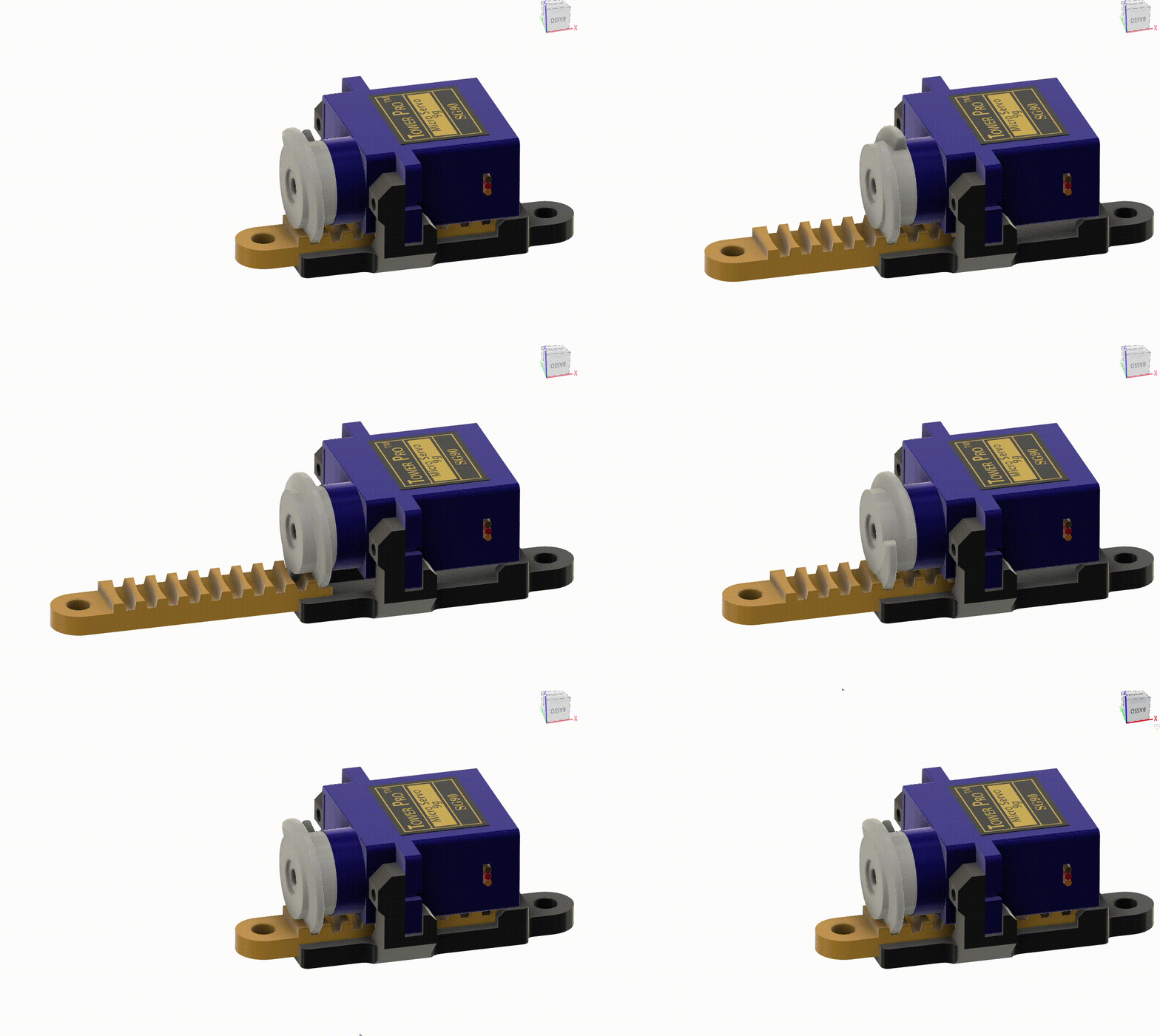

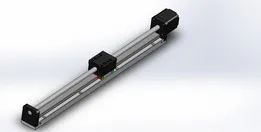


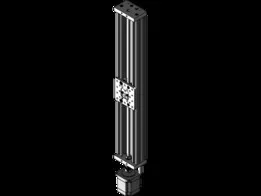
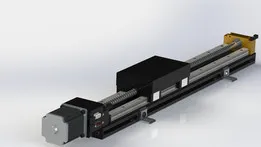


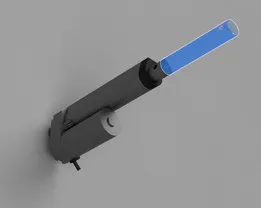


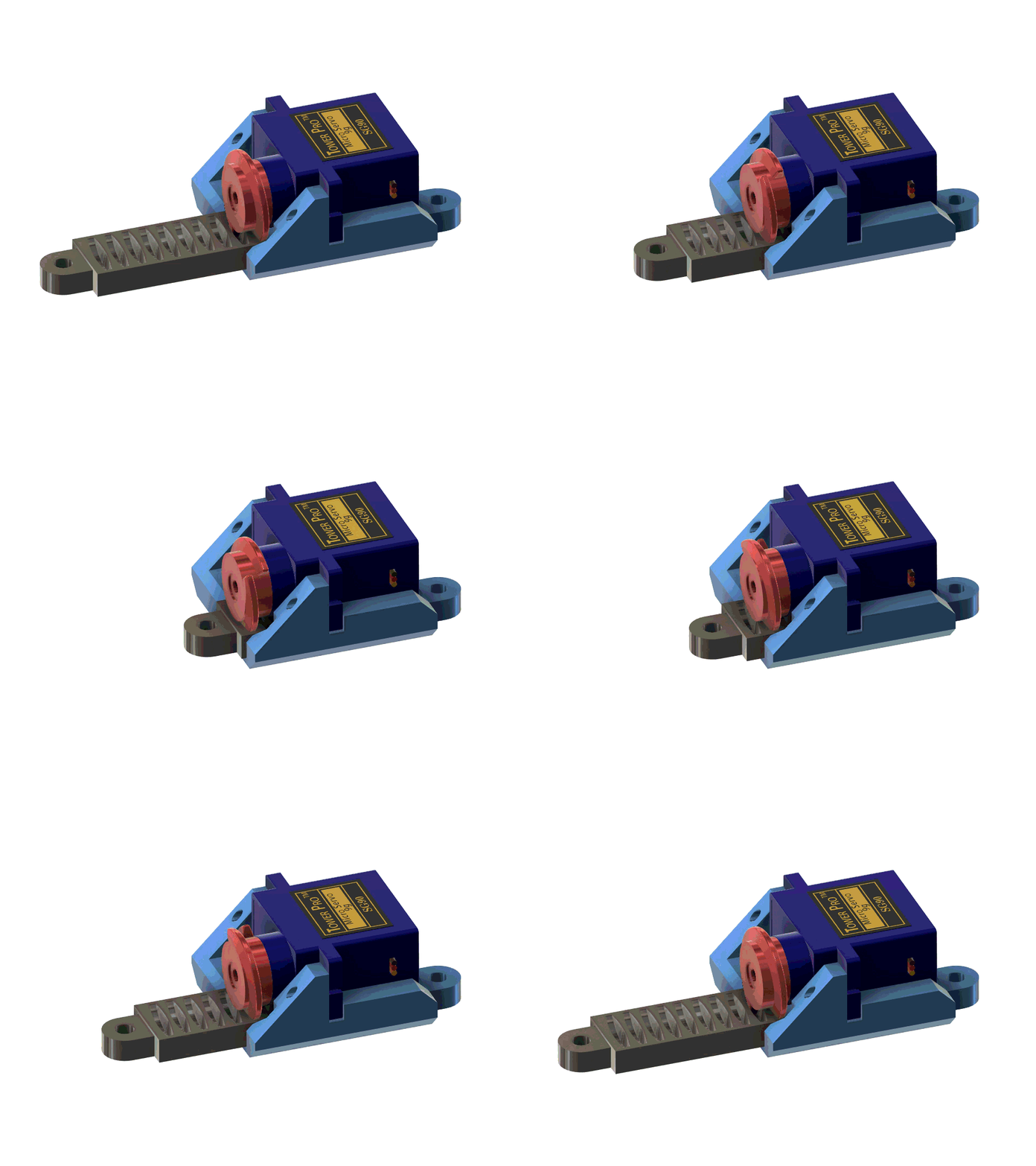

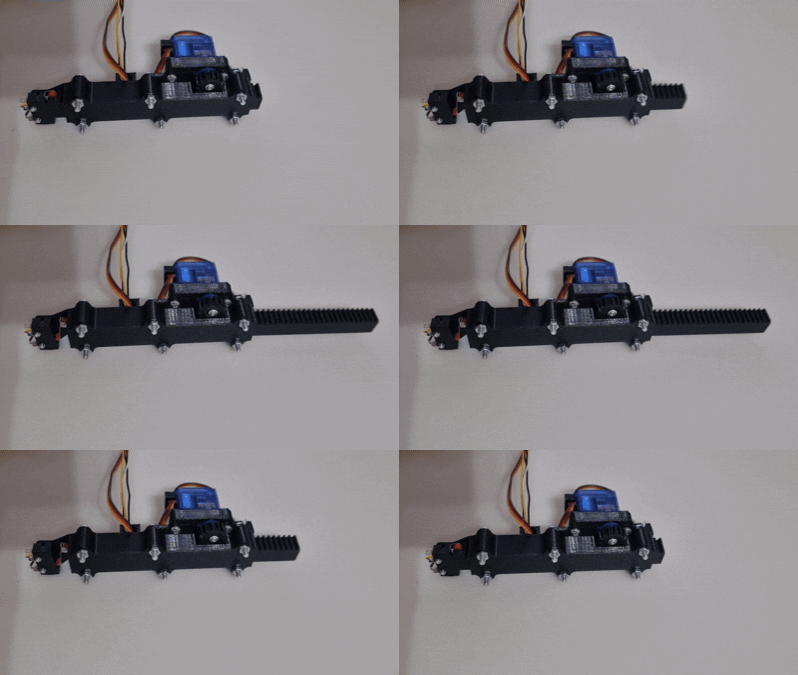

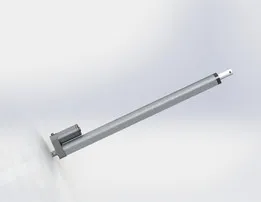

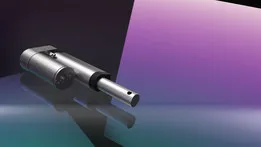
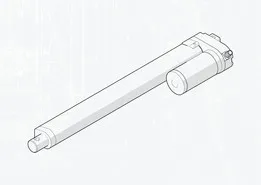
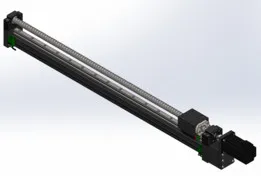
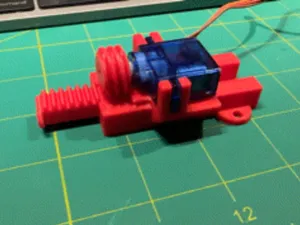


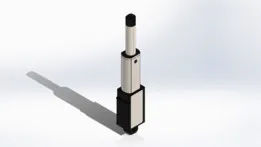
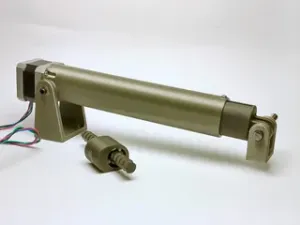
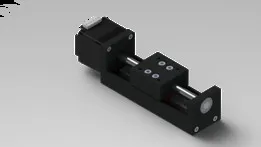

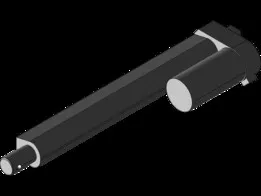
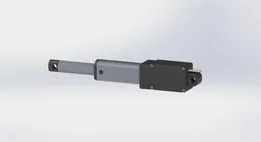
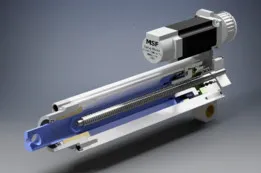
The models differ mainly in how motion is produced. Servo-driven versions turn a horn or linkage into a short push, motor and gearmotor units use a lead screw or threaded rod, and belt-driven slides run a carriage along a rail or C-beam profile. Compact micro and mini designs trade travel and force for a small footprint, while long-stroke variants cover greater distances with a larger frame.
On the author's model page, look at the stated stroke length, the overall size and the number of printed parts, since some designs are single-piece and others need assembly. Check which hardware the author lists, such as bearings, rods, screws or a specific servo size, and whether supports are needed for overhangs. Photos of real prints and the material and layer settings the author mentions tell you how the parts behaved in practice.
To widen the search, try terms such as linear slide, lead screw, belt-driven carriage, linear rail or actuator mount, and add the drive type you plan to use. Related topics include CNC gantry parts, camera sliders, robot arms and motorized drawer mechanisms, which often reuse the same printed components. Combining a drive keyword with a stroke length or a servo size usually narrows the results faster than the topic alone.



El catálogo completo de temáticas, del hogar al CNC, con búsqueda en todas las plataformas conectadas.