Gratis 
Miniature Medieval Food Carts
Thingiverse
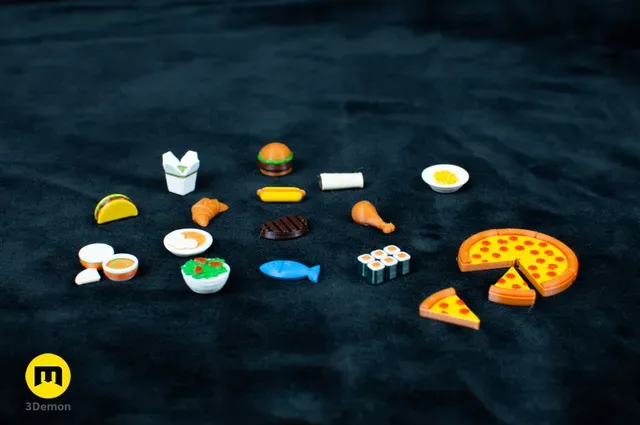
This collection gathers miniature food models for 3D printing, from carts and stalls to single sweets, fruit and small props. Many of them are built for dollhouse scenes, dioramas or tabletop games, where scale matters more than detail alone. It helps to know which kind of piece you need before you open a model page. Polyzon does not confirm whether models are free, their price, license, official status, affiliation, safety or fitness. Check the current terms at the source.
Esta colección está escrita en inglés, pero la búsqueda funciona en cualquier idioma.
 Una colección de Polyzon · 47 modelos de 4 plataformas
Polyzon reúne esta colección a partir de los resultados de búsqueda de las plataformas conectadas. Se eliminan los duplicados y los modelos sin vista previa, las coincidencias débiles van al final y el resto mantiene el orden de la búsqueda. Los modelos pertenecen a sus autores: consulta las condiciones en la página de cada modelo.
Criterios de selección: el equipo editorial de Polyzon · Texto actualizado el 12/10/2026
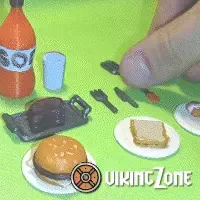

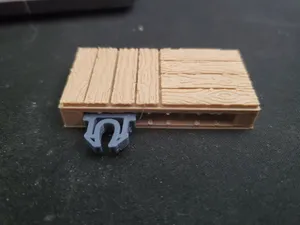
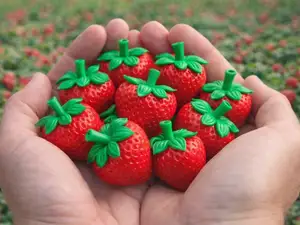
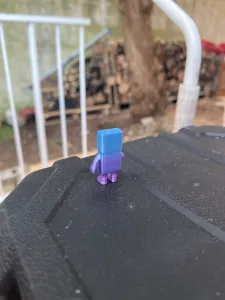


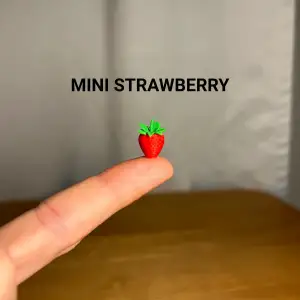


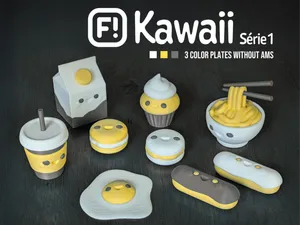



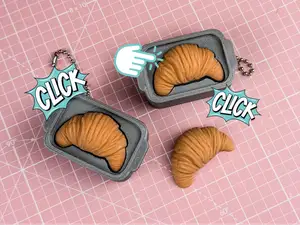
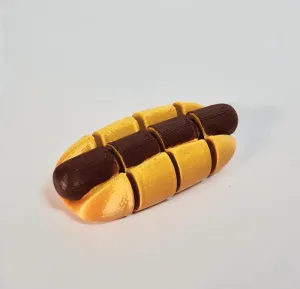

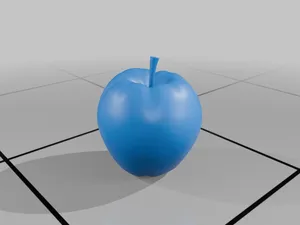
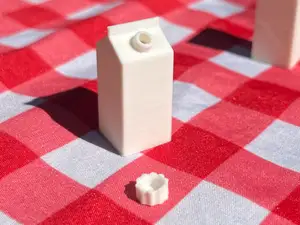
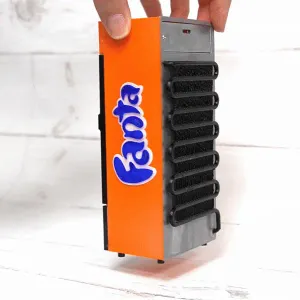

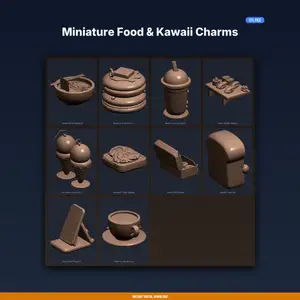
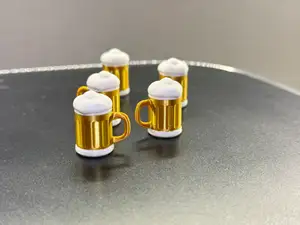
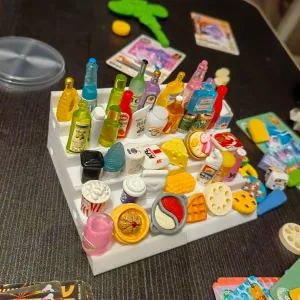

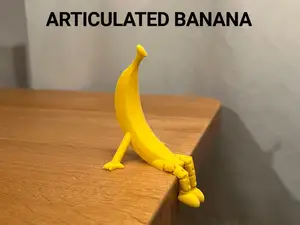
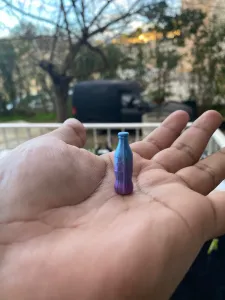

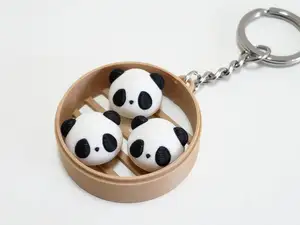
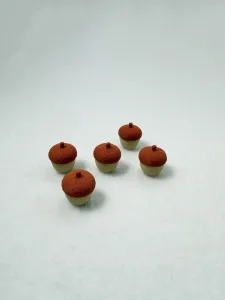

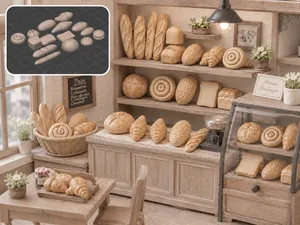

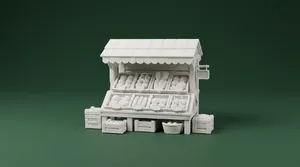
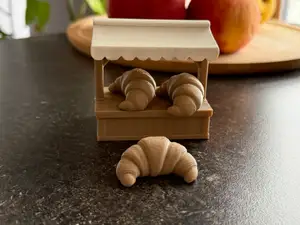
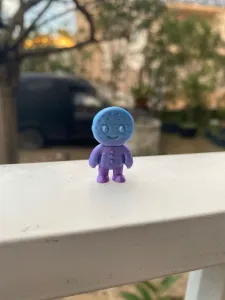

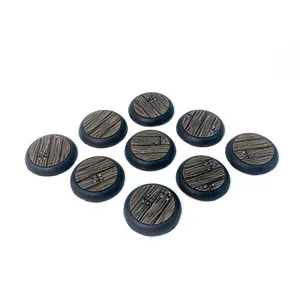
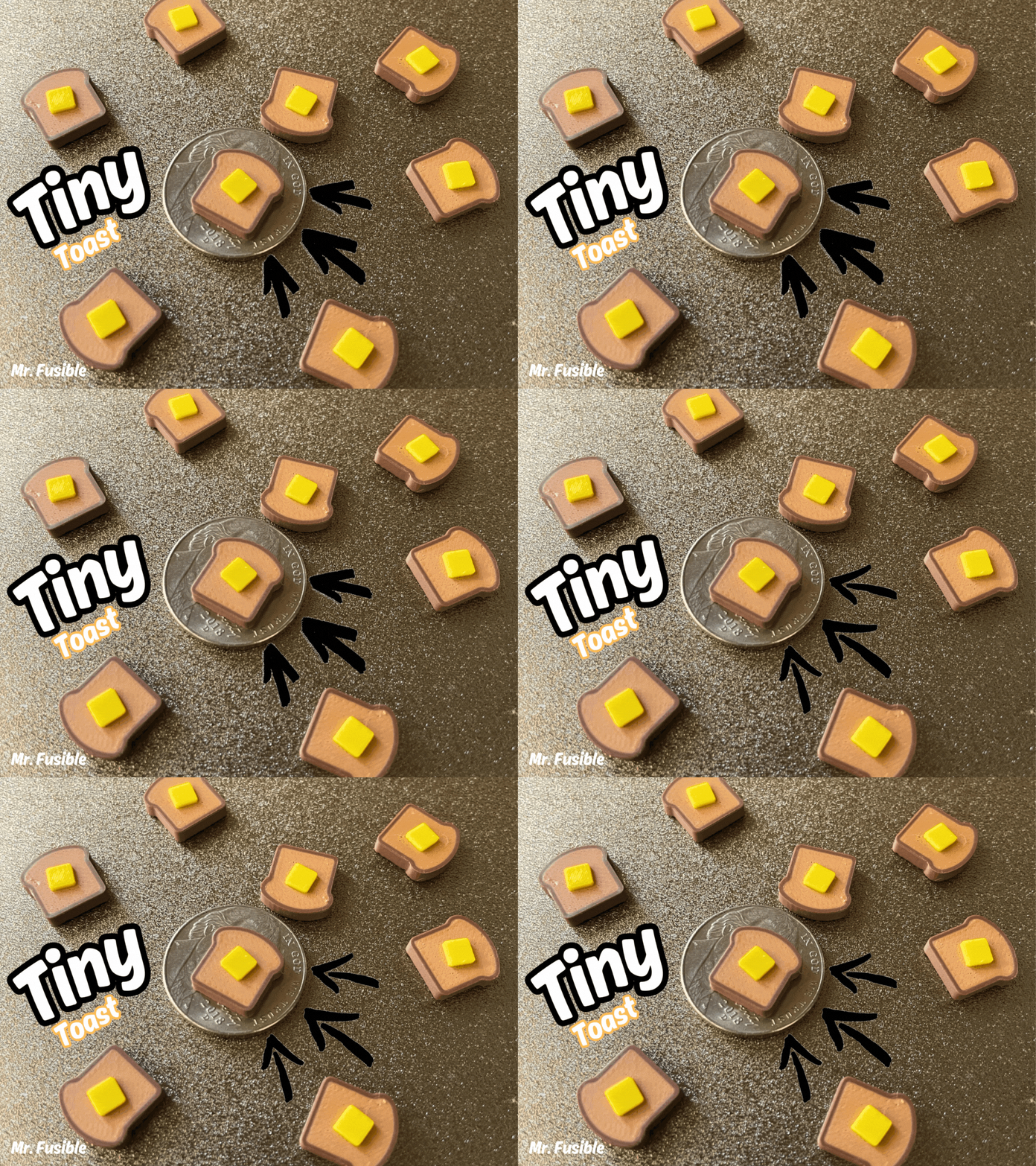
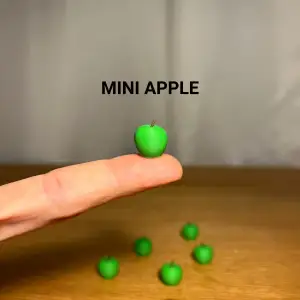
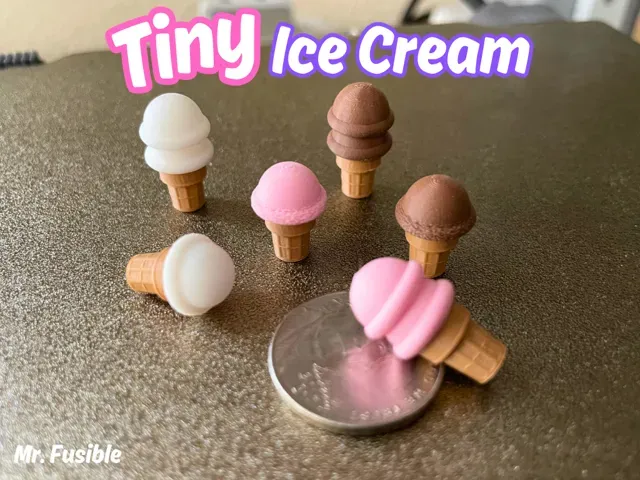
The range splits into a few practical groups. Carts and stalls are multi-part builds with a frame, shelves and separate goods, while single items such as a cone, a chocolate bar or a strawberry are usually one small piece. Sets bundle several foods together, and tabletop props are sized to match a stated figure scale. Flexible or jointed novelty figures sit apart from all of these, since they are meant to be handled rather than placed in a scene.
On the author's model page, look first at the stated size and scale, then at the part count and whether the pieces print separately or as one body. Check whether supports are needed and where they would touch thin areas such as stems, handles or cart legs. The material and settings the author lists give a starting point, and photos of real prints show how the surfaces and small details come out.
If a search returns little, try related wording: dollhouse food, tabletop terrain food, dessert, pastry, fruit or vegetables, often combined with a scale such as 28mm or 1:12. Naming a style, like medieval or kawaii, narrows the results further. You can also search by the object itself, for example a cart, a tray or a sign, and then check whether food pieces are included.



El catálogo completo de temáticas, del hogar al CNC, con búsqueda en todas las plataformas conectadas.