
Gratis 
Taiwan Black_bear Military [Only Equipment]
Thingiverse
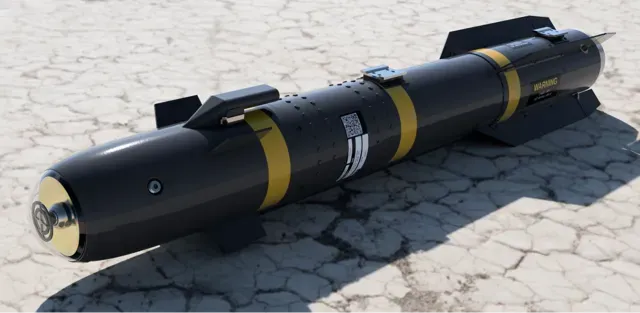
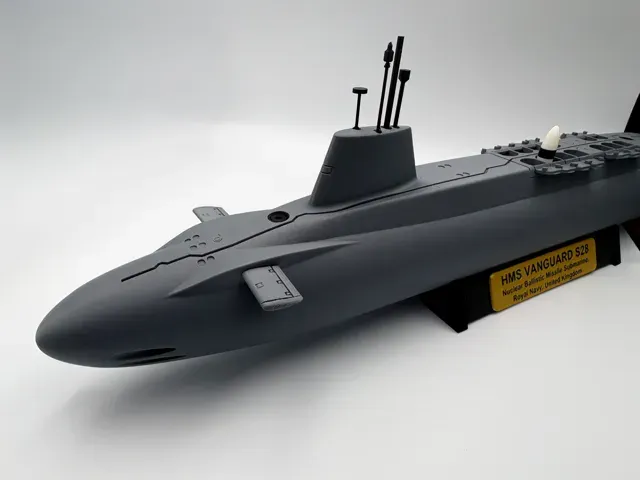
This collection gathers 3D-printable military subjects: aircraft and RC planes, missiles and bombs, submarines, artillery pieces, plus fuel drums and other diorama accessories. Many entries are scale miniatures, while others are large display pieces or functional RC builds, so the range covers both shelf models and working projects. It is a starting point for 3D printing rather than a fixed catalogue, and the models behind these results change over time. Polyzon does not confirm whether models are free, their price, license, official status, affiliation, safety or fitness. Check the current terms at the source.
Esta colección está escrita en inglés, pero la búsqueda funciona en cualquier idioma.
 Una colección de Polyzon · 47 modelos de 3 plataformas
Polyzon reúne esta colección a partir de los resultados de búsqueda de las plataformas conectadas. Se eliminan los duplicados y los modelos sin vista previa, las coincidencias débiles van al final y el resto mantiene el orden de la búsqueda. Los modelos pertenecen a sus autores: consulta las condiciones en la página de cada modelo.
Criterios de selección: el equipo editorial de Polyzon · Texto actualizado el 14/10/2026




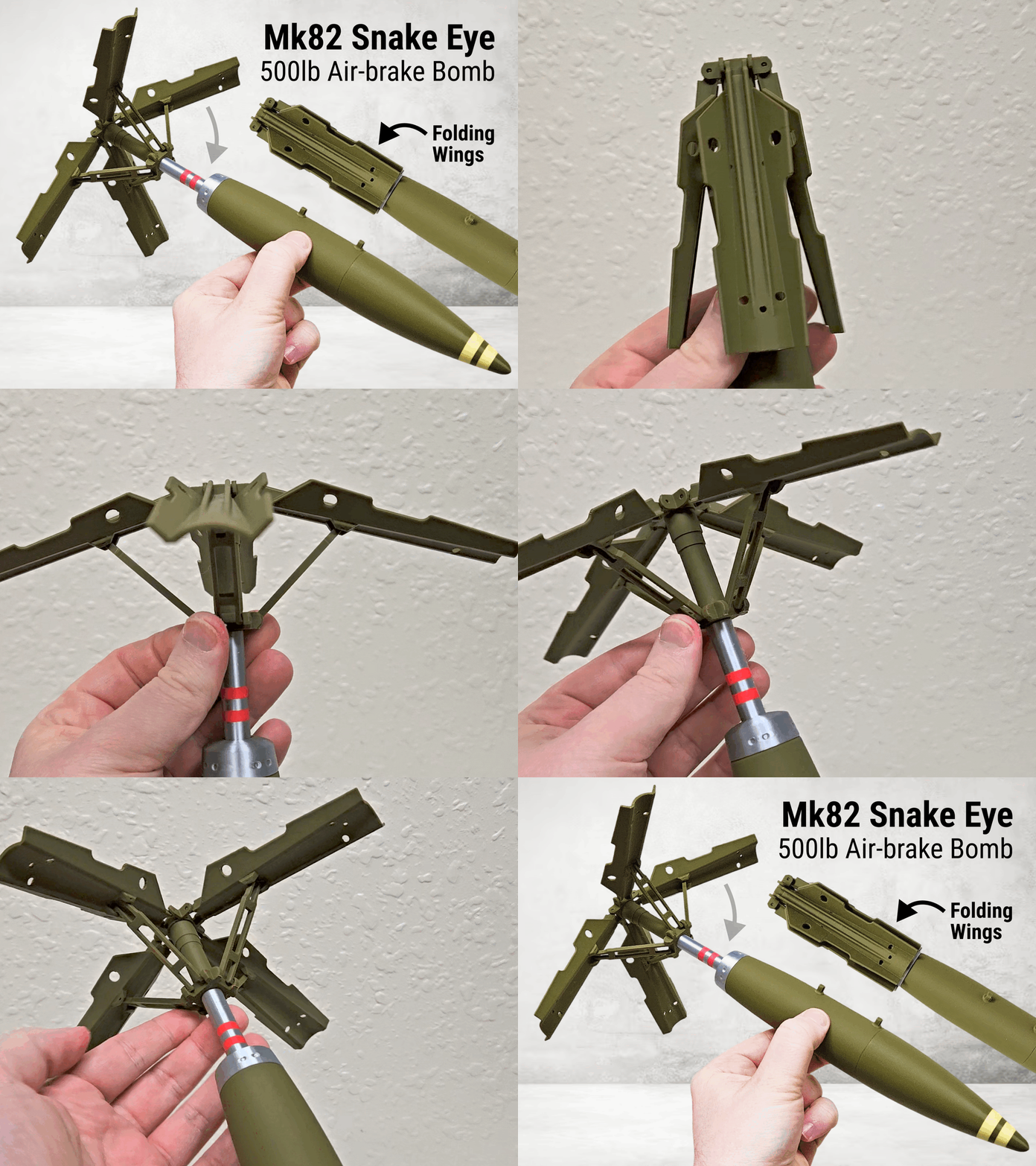


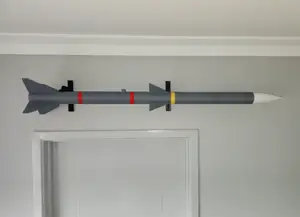


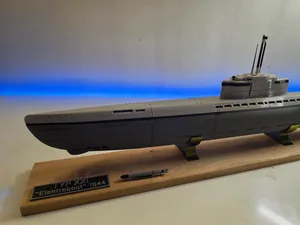


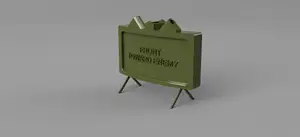




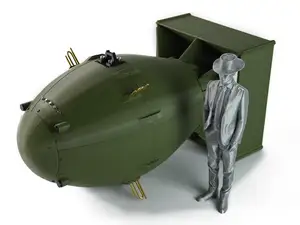


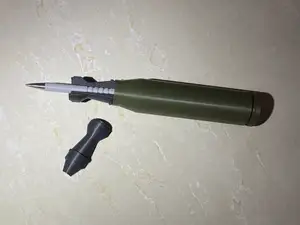


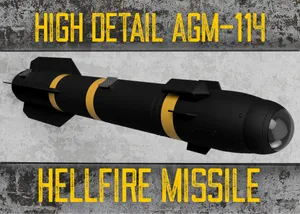


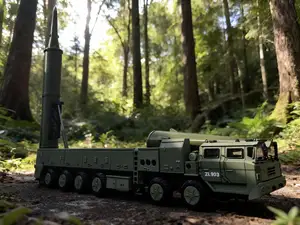


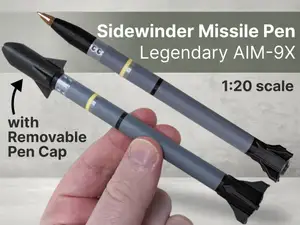


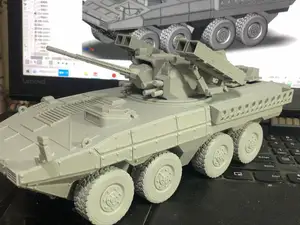


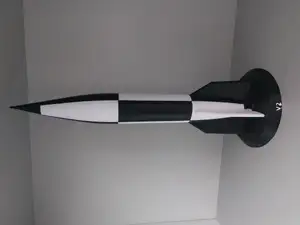
The entries differ mainly in purpose and size. Fixed-scale miniatures are built for display or dioramas, RC aircraft are designed around electronics and moving surfaces, and some ordnance or vehicle files are offered at full size or in several scales. Naval hulls tend to be long single pieces or split sections, while small accessories such as cans and drums are usually printed in sets.
Before printing, open the author's model page and read what is listed there: overall dimensions and scale, number of parts and how they join, whether supports are needed, and the material and settings the author names. Thin items such as antennas, landing gear, fins and propeller blades are the parts most likely to need attention, so check the orientation and any notes about them. Photos of real prints show how the surfaces and panel lines come out better than renders do.
To widen or narrow the results, try synonyms and related terms. Armour subjects also appear as tank, AFV or armoured vehicle; aircraft as plane, warbird or fighter; ordnance as missile, bomb, rocket or shell. Adding a scale such as 1/72, 1/35 or 1/16, an era such as WWII, Cold War or modern, or a use such as diorama, display or RC helps separate miniatures from large builds.

El catálogo completo de temáticas, del hogar al CNC, con búsqueda en todas las plataformas conectadas.