
Gratis 
ГРОВИ МОНСТЕР
Cults3D
This collection gathers monster-themed 3D models in several directions: tabletop miniatures, articulated creatures, classic horror figures and small everyday objects. It is useful when you want a single place to compare how different authors approach the same theme. Each listing leads to an STL or model page that you can review before starting a 3D printing job. Polyzon does not confirm whether models are free, their price, license, official status, affiliation, safety or fitness. Check the current terms at the source.
Esta colección está escrita en inglés, pero la búsqueda funciona en cualquier idioma.
 Una colección de Polyzon · 48 modelos de 6 plataformas
Polyzon reúne esta colección a partir de los resultados de búsqueda de las plataformas conectadas. Se eliminan los duplicados y los modelos sin vista previa, las coincidencias débiles van al final y el resto mantiene el orden de la búsqueda. Los modelos pertenecen a sus autores: consulta las condiciones en la página de cada modelo.
Criterios de selección: el equipo editorial de Polyzon · Texto actualizado el 14/10/2026

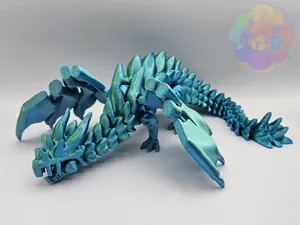
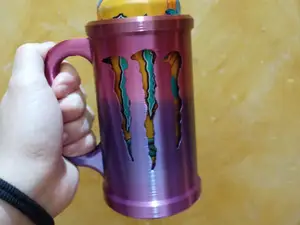


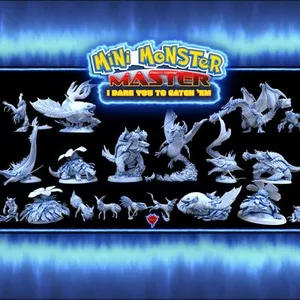


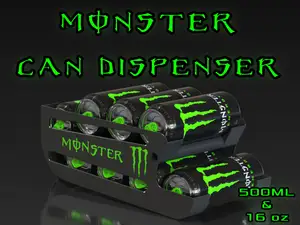
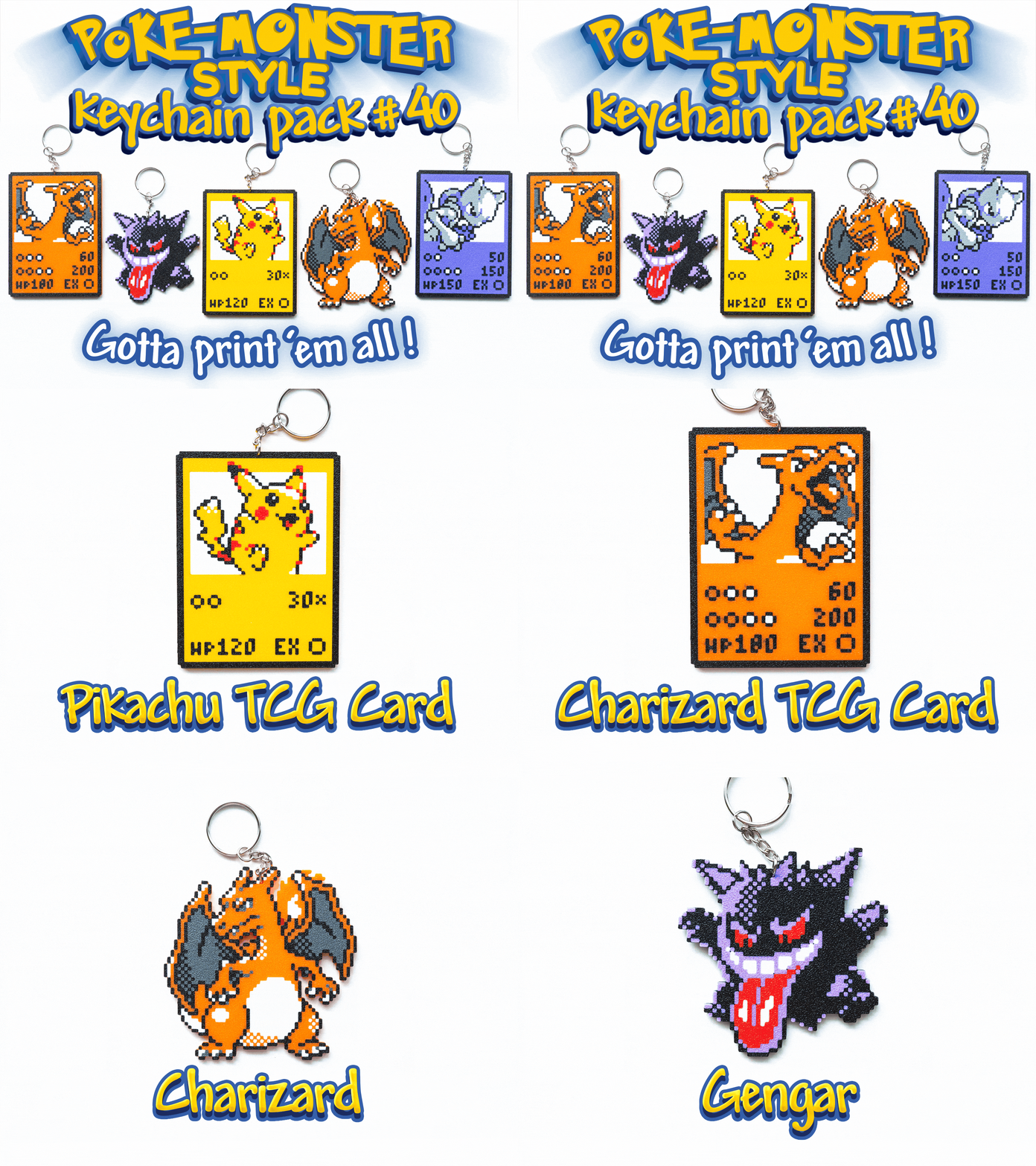
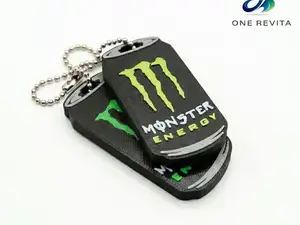
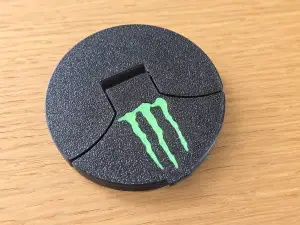

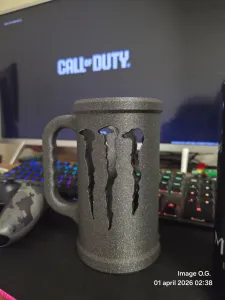
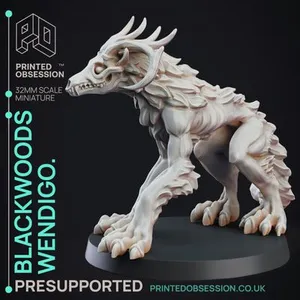
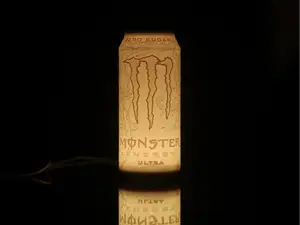


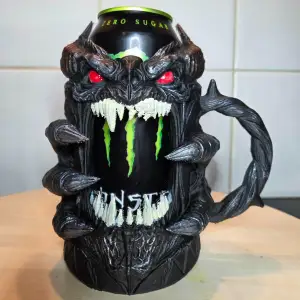
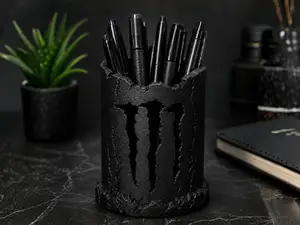

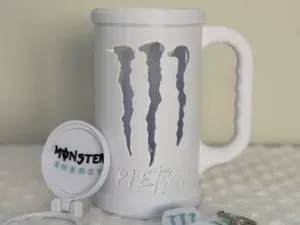


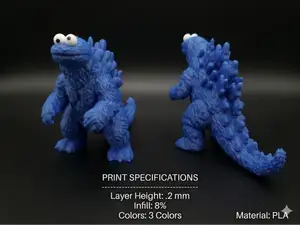

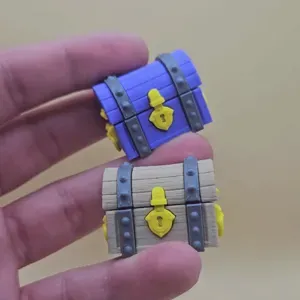


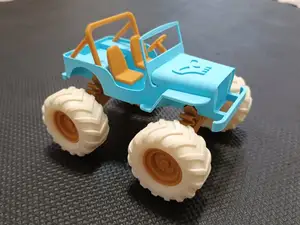

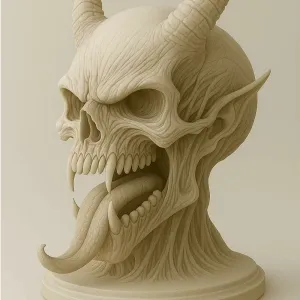
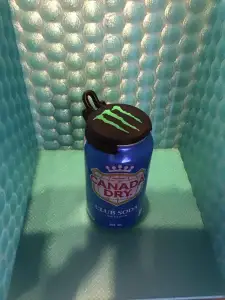
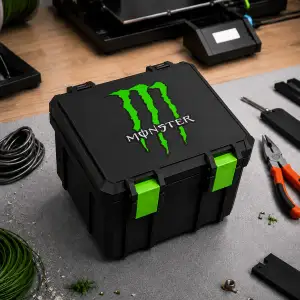


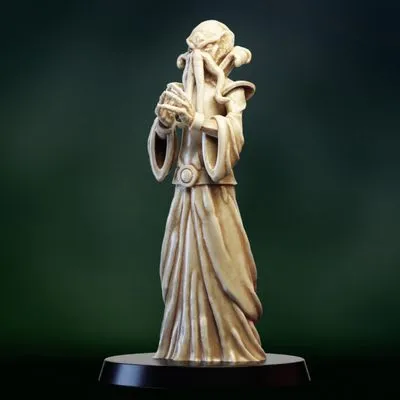
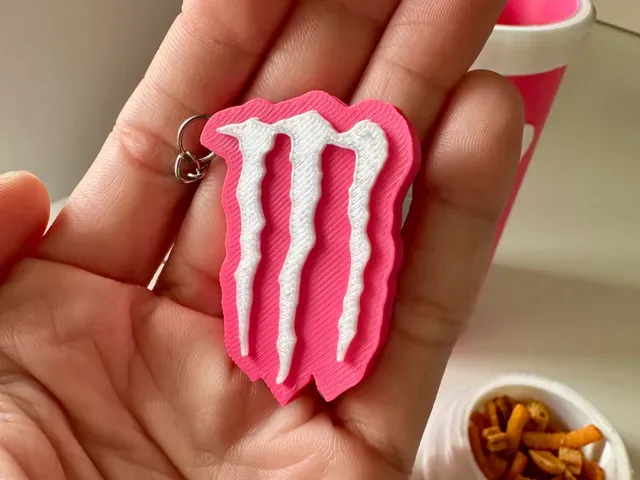
The range is wider than it first looks. Tabletop miniatures are usually built around a fixed scale and a base, while flexi creatures are printed as one articulated piece that bends after printing. Classic horror figures tend to be display pieces with separate parts, and the practical end of the topic covers can holders, lids and keychains sized around a specific object.
When you open a model page, check the scale or overall dimensions first, then the number of parts and whether assembly or glue is involved. Look at whether the author calls for supports and at the orientation they used, since thin limbs, horns and tails often need a different setup than a solid body. Material and settings listed by the author, plus photos of real prints, tell you more than the render does.
To narrow the results, try synonyms such as creature, kaiju, cryptid, undead or beast, and combine them with a format word like miniature, flexi or keychain. Related searches around tabletop gaming, Halloween decoration or desk accessories often surface models that the plain term misses. If you have a scale or a size in mind, add it to the query.
Scale is the main divider between the miniature side and the decorative side of this topic. Miniatures are meant to sit next to other figures at a stated scale, so a small difference in height matters, while holders and charms are sized around a can, a lid or a keyring instead. Reading the dimensions before printing saves a reprint later.


El catálogo completo de temáticas, del hogar al CNC, con búsqueda en todas las plataformas conectadas.