Gratis 
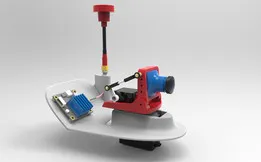
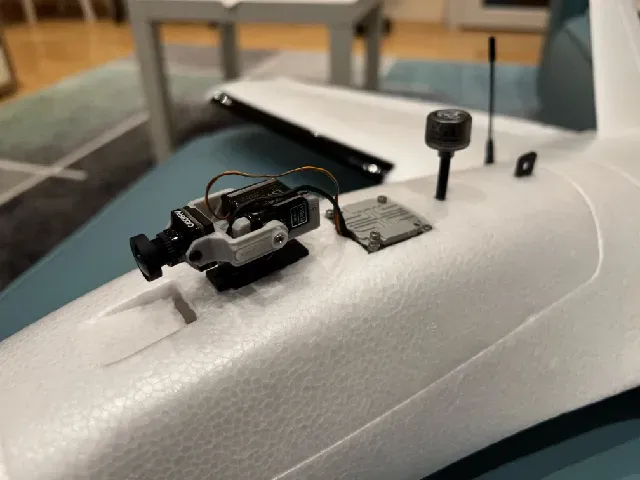
Carbon Cub 15cc Cockpit Pan mount for DJI FPV system
Thingiverse
This collection gathers 3D-printable pan and tilt assemblies for FPV cameras, from flat low-profile gimbals to larger brackets built around a servo pair. Most entries are STL files meant for a home 3D printer, so the geometry can be adjusted to the camera and airframe you already have. It is useful when you want the camera to follow the horizon or aim sideways instead of sitting in a fixed mount. Polyzon does not confirm whether models are free, their price, license, official status, affiliation, safety or fitness. Check the current terms at the source.
Esta colección está escrita en inglés, pero la búsqueda funciona en cualquier idioma.
 Una colección de Polyzon · 48 modelos de 6 plataformas
Polyzon reúne esta colección a partir de los resultados de búsqueda de las plataformas conectadas. Se eliminan los duplicados y los modelos sin vista previa, las coincidencias débiles van al final y el resto mantiene el orden de la búsqueda. Los modelos pertenecen a sus autores: consulta las condiciones en la página de cada modelo.
Criterios de selección: el equipo editorial de Polyzon · Texto actualizado el 12/10/2026


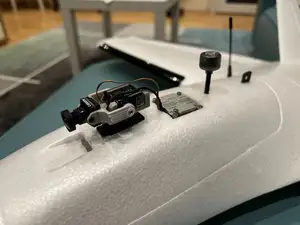
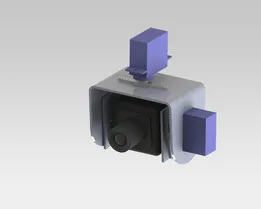


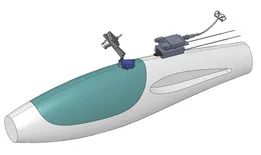
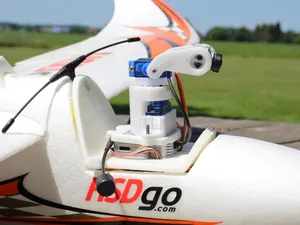
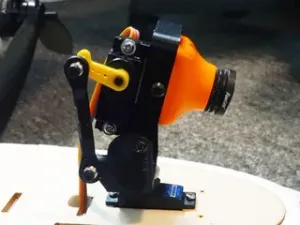
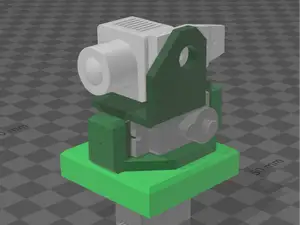


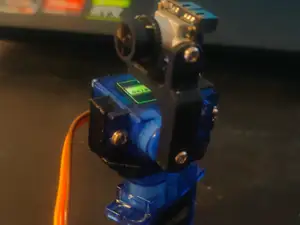


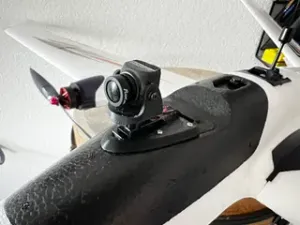

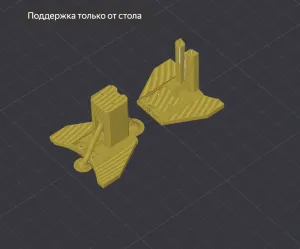

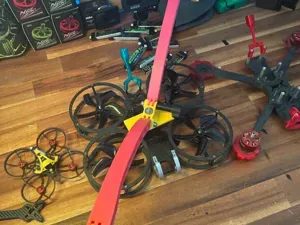
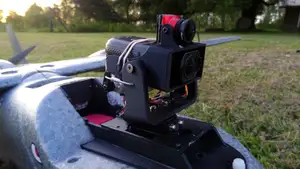
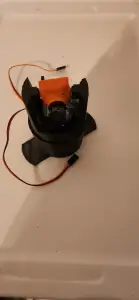
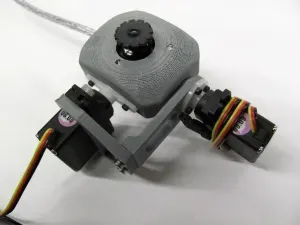


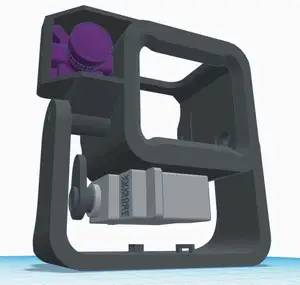


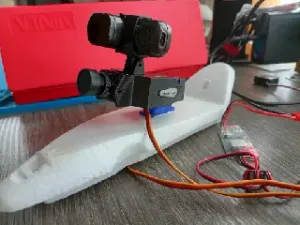


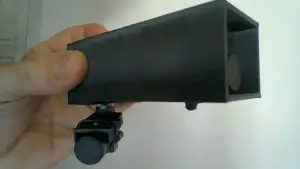
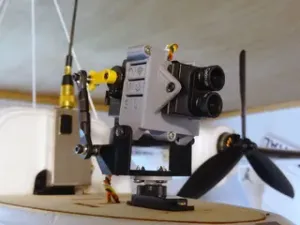
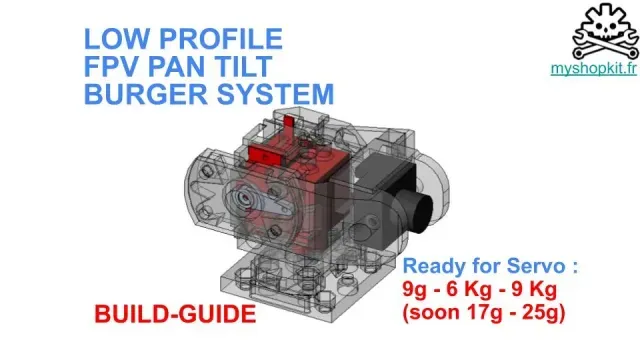
The designs split into a few practical groups. Low-profile gimbals keep the camera close to the fuselage or frame and are usually drawn as two nested rings or plates. Larger pan-tilt units add a taller yoke and longer arms, often for fixed-wing models where the camera sits in a canopy or on a nose plate. Simpler brackets hold a single servo and a camera cage, and some files cover only the housing that drops into an existing canopy.
Before printing, read the author's notes for the servo size and the hole spacing on the mounting flange, since these determine whether the parts line up with your hardware. Check the camera module dimensions, the tilt range the geometry allows, and how many separate parts need fasteners or glue. Look at whether the model needs supports, which material and layer settings the author lists, and any photos of real prints that show clearances and cable routing.
Search results improve when you vary the wording: pan tilt, pan-tilt, gimbal, camera mount, servo bracket, camera cage, canopy insert. Adding the airframe type, such as fixed-wing, quadcopter or flying wing, narrows the list further, as do terms like low profile, universal or modular. Related topics worth browsing include antenna mounts, camera protection plates and vibration damping parts, which often appear alongside pan-tilt designs.

El catálogo completo de temáticas, del hogar al CNC, con búsqueda en todas las plataformas conectadas.