Gratis 
Circular Saw Rip Fence
Thingiverse
This collection gathers STL files for parallel fences and rip fences used with circular saws, table saws and routers. It also includes sleds, stops and scale-model fence parts. The models help you replace a missing guide, build a jig, or add a fence to a tool that lacks one. Polyzon does not confirm whether models are free, their price, license, official status, affiliation, safety or fitness. Check the current terms at the source.
Esta colección está escrita en inglés, pero la búsqueda funciona en cualquier idioma.
 Una colección de Polyzon · 48 modelos de 4 plataformas
Polyzon reúne esta colección a partir de los resultados de búsqueda de las plataformas conectadas. Se eliminan los duplicados y los modelos sin vista previa, las coincidencias débiles van al final y el resto mantiene el orden de la búsqueda. Los modelos pertenecen a sus autores: consulta las condiciones en la página de cada modelo.
Criterios de selección: el equipo editorial de Polyzon · Texto actualizado el 12/10/2026


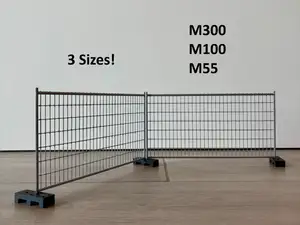


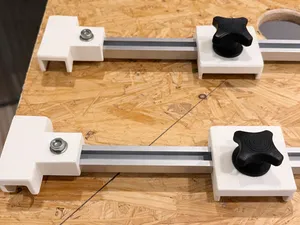
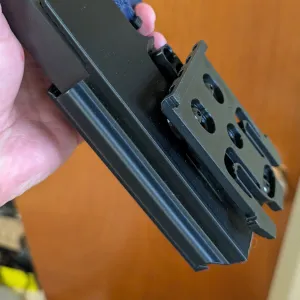


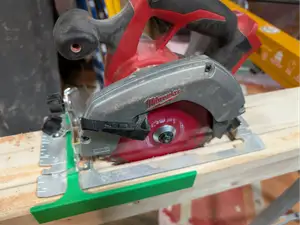
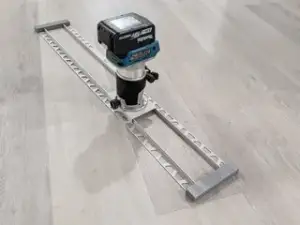


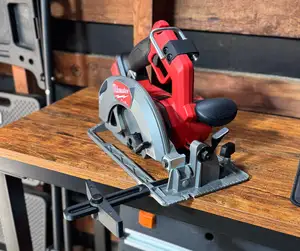
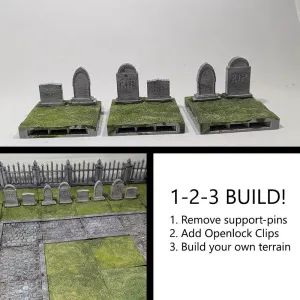


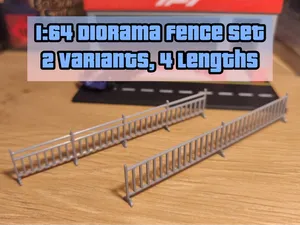



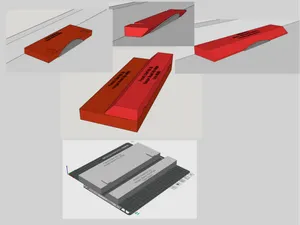



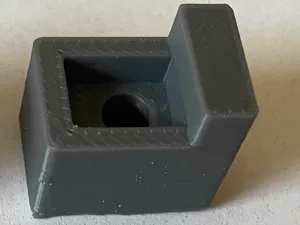



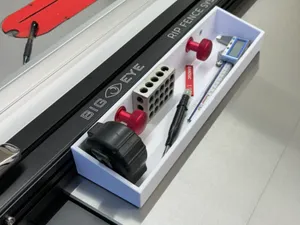


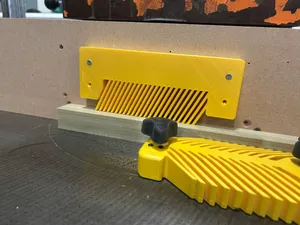


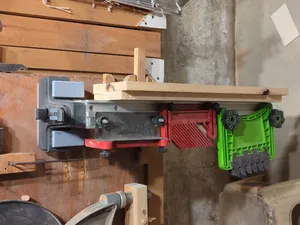
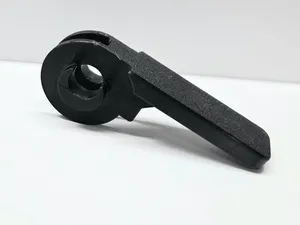



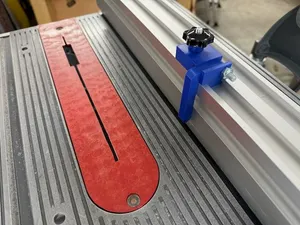
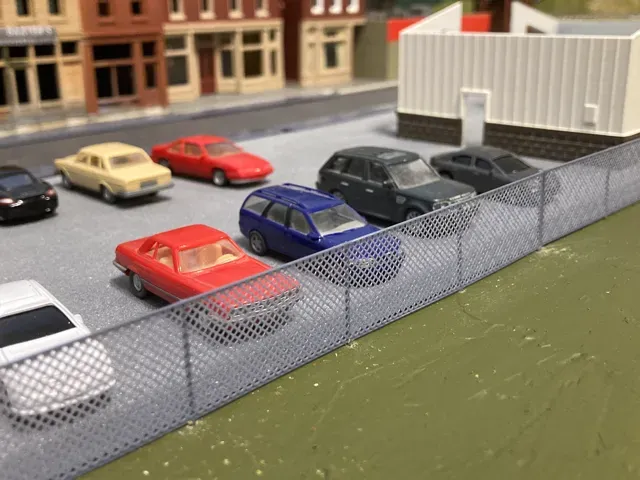
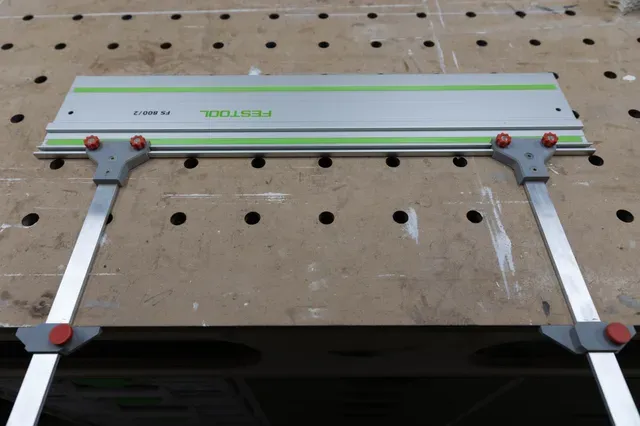
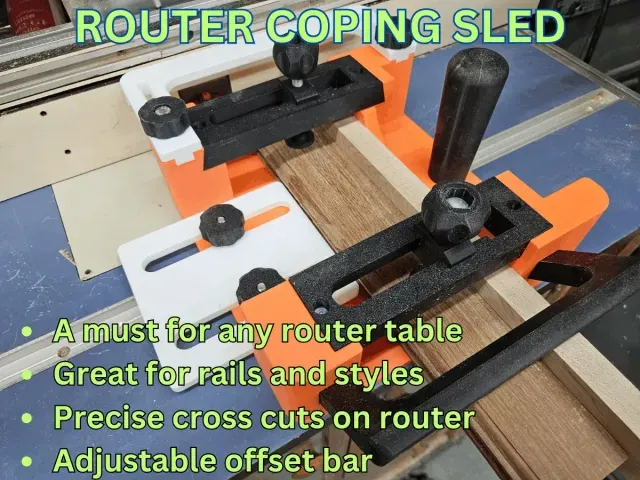
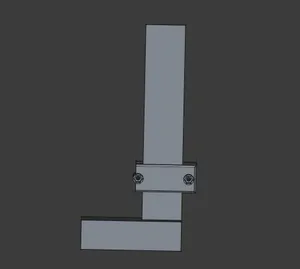
Rip fences for handheld circular saws usually consist of a straight bar and a mounting bracket, while table-saw fences involve rails, locking handles and adjustment plates. Router sleds and coping sleds are larger assemblies that guide a workpiece or a router across a table. Scale-model fences, such as chain-link or construction barriers, are decorative parts with thin wires and posts. Stops and feather boards are small add-ons that set a repeatable distance or hold a workpiece against the fence.
Before printing, check the dimensions and scale on the author's model page, because a fence that fits one saw body may not fit another. Look at the number of parts and how they join: some designs are one piece, others need screws, bolts or inserts. The page may list the material and settings the author used, and photos of real prints show how the part sits on the tool. If the model needs supports, plan where they touch the mating surfaces.
To narrow the results, combine the tool type with the part name, for example circular saw rip fence, table saw fence rail, or router coping sled. Related terms include parallel guide, rip guide, fence stop, feather board, and sled base. You can also search by scale for model fences or by the hardware size for sleds. If a result is close but not exact, look at the tags and the author's other models for a matching variant.




El catálogo completo de temáticas, del hogar al CNC, con búsqueda en todas las plataformas conectadas.