
Gratis 
For Phone Repair Organizer
Thingiverse
This collection gathers 3D models that keep a phone, its small parts and the tools around it in place: repair trays, desk stands, cable clips and bedside or car organizers. Most of them are simple shapes that a 3D printer handles well, which makes them a practical first project or a quick fix for a messy workbench. The variety comes from how each design splits the tasks of holding the phone, sorting screws and storing tools. Polyzon does not confirm whether models are free, their price, license, official status, affiliation, safety or fitness. Check the current terms at the source.
Esta colección está escrita en inglés, pero la búsqueda funciona en cualquier idioma.
 Una colección de Polyzon · 48 modelos de 4 plataformas
Polyzon reúne esta colección a partir de los resultados de búsqueda de las plataformas conectadas. Se eliminan los duplicados y los modelos sin vista previa, las coincidencias débiles van al final y el resto mantiene el orden de la búsqueda. Los modelos pertenecen a sus autores: consulta las condiciones en la página de cada modelo.
Criterios de selección: el equipo editorial de Polyzon · Texto actualizado el 10/10/2026

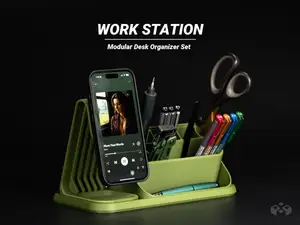
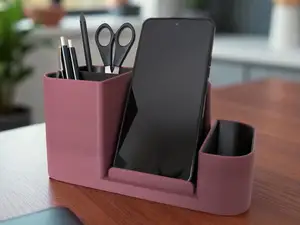
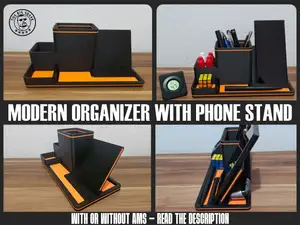


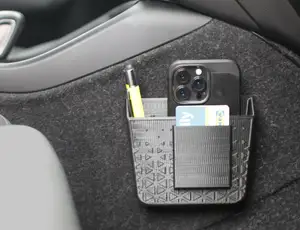

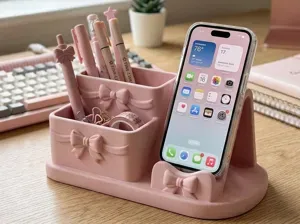



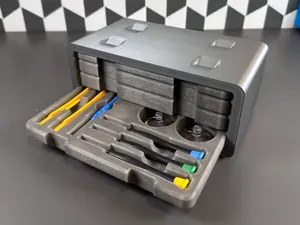
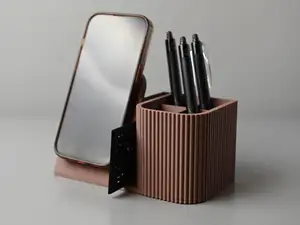

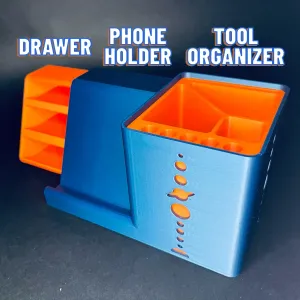
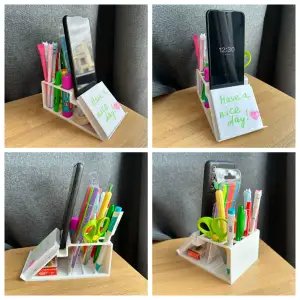
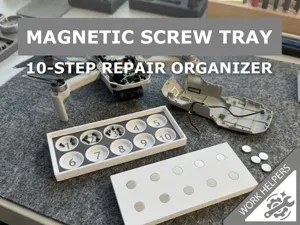
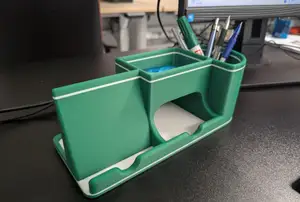

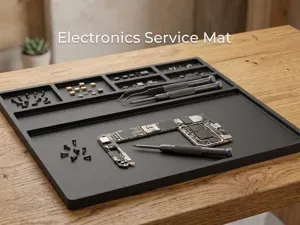
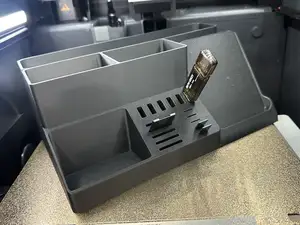

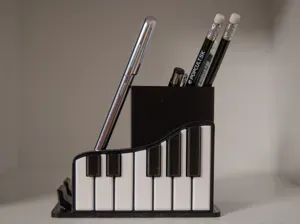

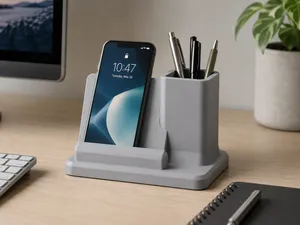


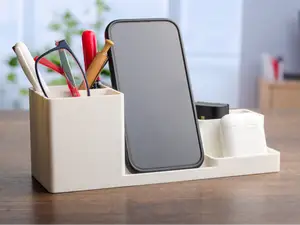


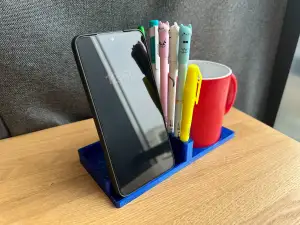
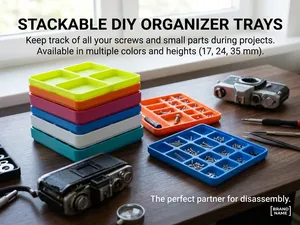
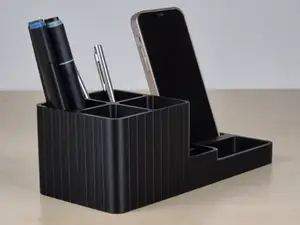

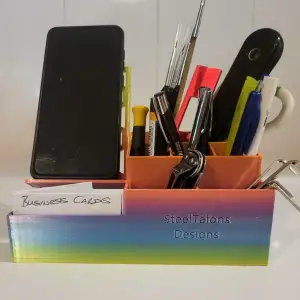
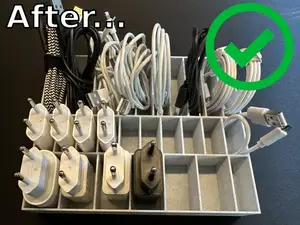
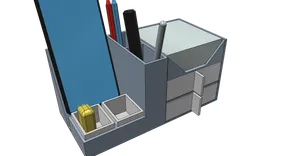


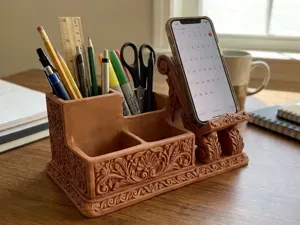
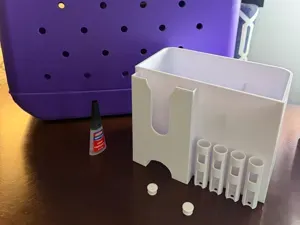
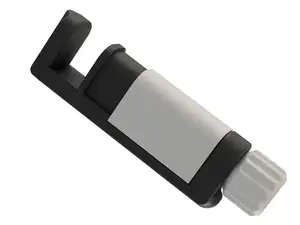
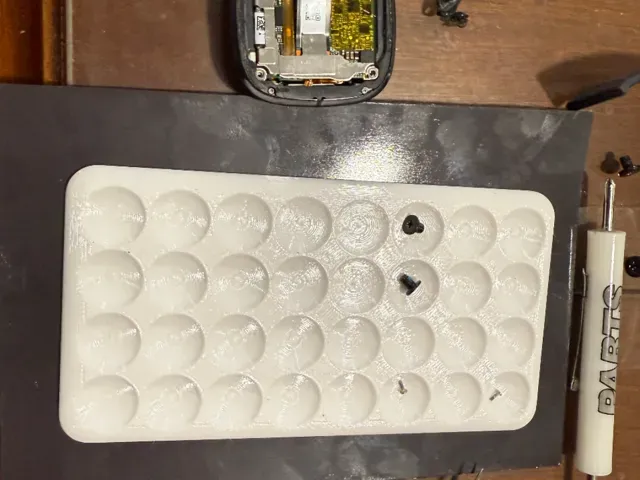
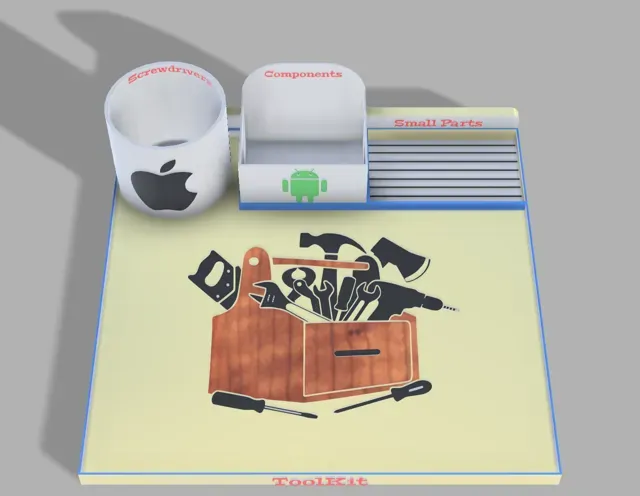
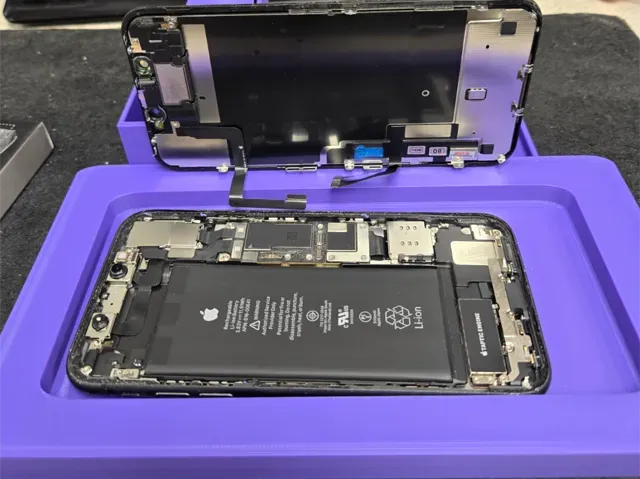
The models fall into a few recognizable groups. Repair-oriented designs center on shallow trays with compartments for screws and small parts, sometimes with a raised cradle for the phone or a slot for a screwdriver. Desk versions combine a stand with pen cups, note slots or cable channels, and often come as modular sets you can print in parts and stack. A third group is purely about routing: clips and small holders that keep charging cables and earphones from sliding off the table.
Before printing, read the model page for the details that decide whether the result works for you. Check the overall size and the internal dimensions of the compartments against the phone and the tools you actually use, count the separate parts and how they join, and see whether the author expects supports or a particular material and layer height. Photos of real prints are the most useful signal, since thin walls and tall stands behave differently depending on orientation.
If the results you see are too narrow, widen the wording rather than the topic. Terms such as screw tray, parts tray, tool holder, workbench organizer or soldering station lead to repair-focused designs, while desk organizer, phone stand, docking station or cable management lead to office versions. Adding a placement word such as bedside, car, wall or drawer, or a style word such as minimalist or modular, usually changes the mix more than adding another noun.


El catálogo completo de temáticas, del hogar al CNC, con búsqueda en todas las plataformas conectadas.