Gratis 
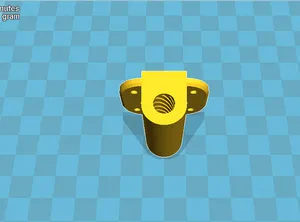
Dust Collector for Wall Drilling
Thingiverse
This collection gathers STL files for catching dust at the point where it appears: drilling, sawing and sanding. It covers drill guides with a collection cup, cyclone separators and adapters that connect a tool to a vacuum. The models are meant for 3D printing, so the fit between parts and the hose diameter matters more than the shape. Polyzon does not confirm whether models are free, their price, license, official status, affiliation, safety or fitness. Check the current terms at the source.
Esta colección está escrita en inglés, pero la búsqueda funciona en cualquier idioma.
 Una colección de Polyzon · 45 modelos de 5 plataformas
Polyzon reúne esta colección a partir de los resultados de búsqueda de las plataformas conectadas. Se eliminan los duplicados y los modelos sin vista previa, las coincidencias débiles van al final y el resto mantiene el orden de la búsqueda. Los modelos pertenecen a sus autores: consulta las condiciones en la página de cada modelo.
Criterios de selección: el equipo editorial de Polyzon · Texto actualizado el 14/10/2026
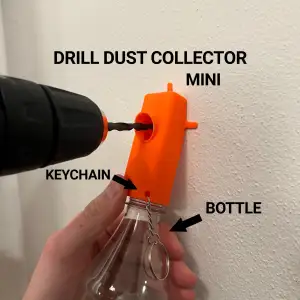


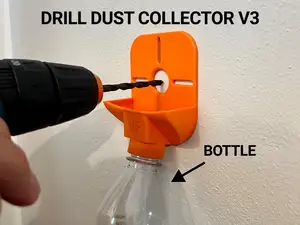



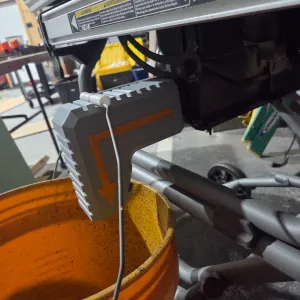


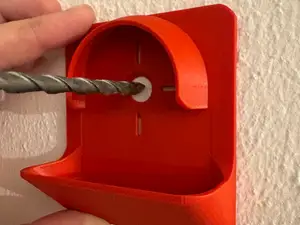
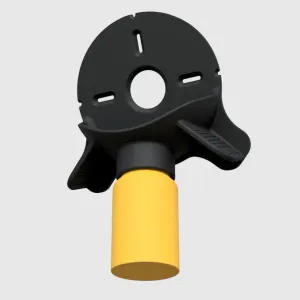


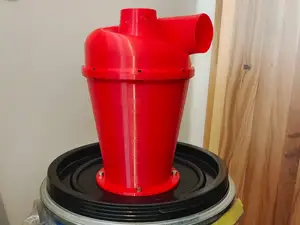
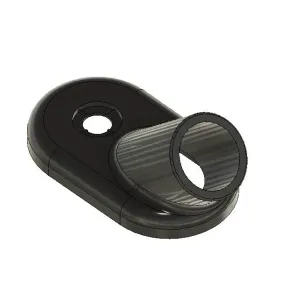


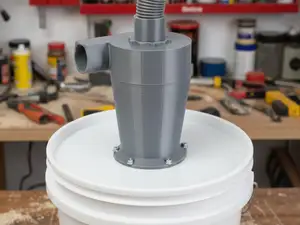
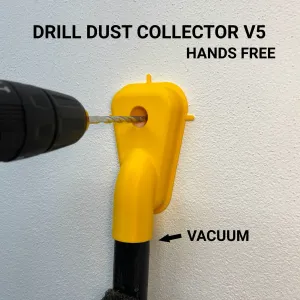

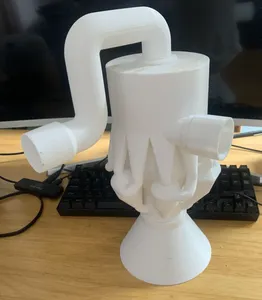



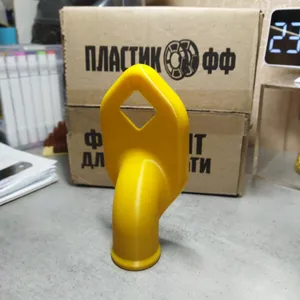


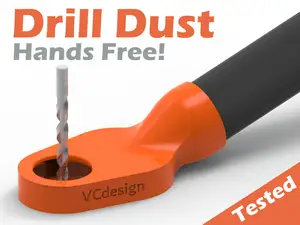
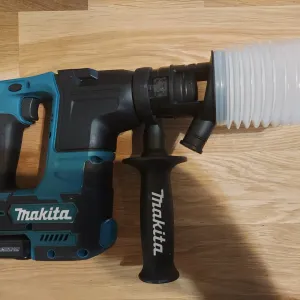


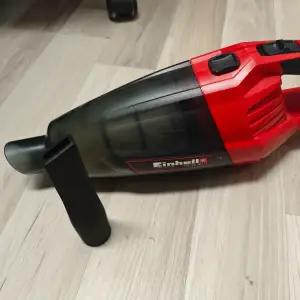


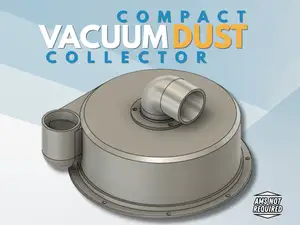



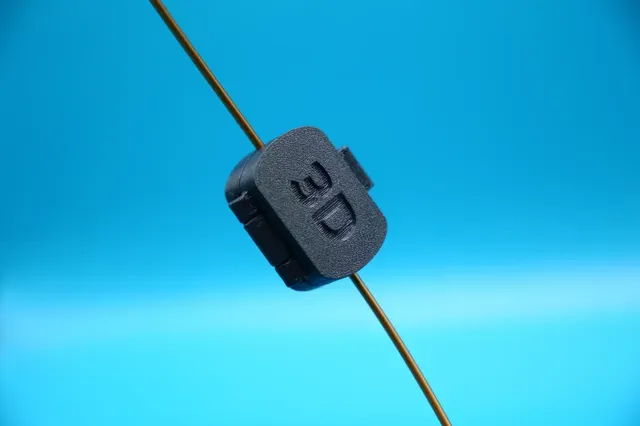
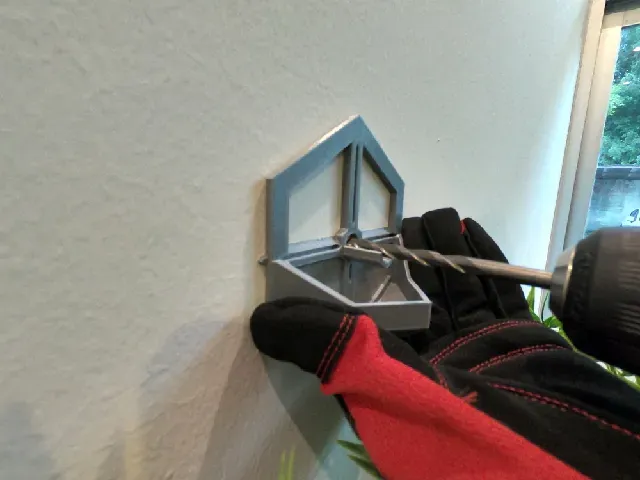
The most common group is a drill guide combined with a dust cup: a plate that keeps the bit straight and a chamber that traps the debris. Cyclone separators work differently — they sit between the tool and the vacuum and drop coarse particles into a container before they reach the filter. A third group is made of adapters and nozzles that connect an existing hose to a drill, a sander or a table saw, and there are also small filters that clean filament on its way into a 3D printer.
When choosing, look at the diameter the author lists for the hose and the drill, the number of separate parts, and whether the model is meant to be printed in place or assembled. Check the wall thickness of the cyclone body, since thin walls can flex under vacuum, and read which material and settings the author used. Photos of real prints show how the parts meet and whether the cup holds its shape.
To widen the search, try synonyms such as dust separator, dust shoe, vacuum adapter, chip collector or extraction hood, and combine them with the tool: drill, sander, table saw, router, CNC. Related topics include workshop hose fittings, cyclones for shop vacuums and filament cleaning. Narrowing by hose size or by tool type usually removes most of the irrelevant results.


El catálogo completo de temáticas, del hogar al CNC, con búsqueda en todas las plataformas conectadas.